
Neem Oil
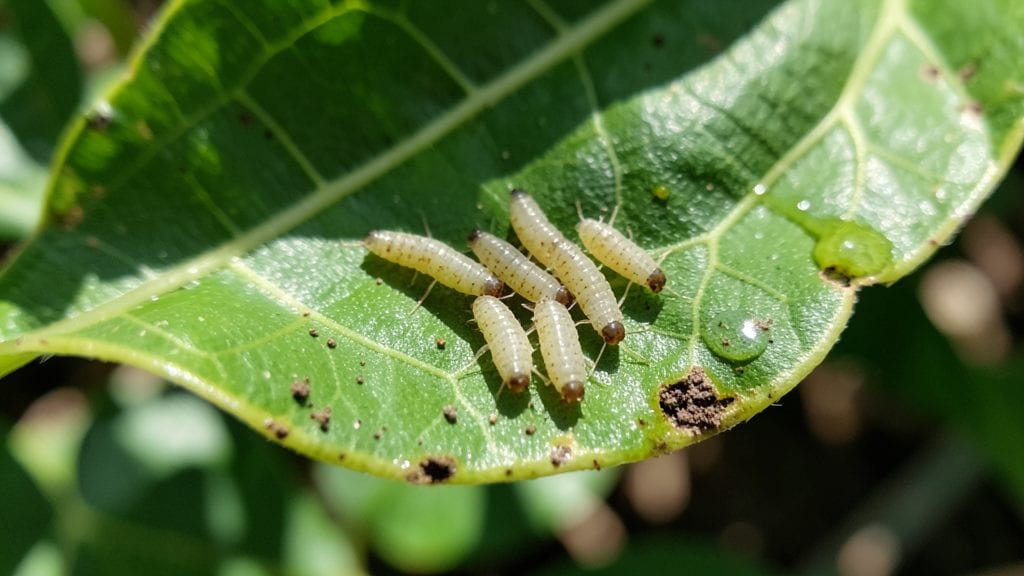
Neem oil for garden bugs is my go-to secret weapon when pests threaten my vegetables and flowers—it works where sprays fail. The first time I sprayed my tomato plants for aphids, I saw them drop like flies within hours, and the plants stayed protected for weeks.
It’s not just about killing bugs; it’s about disrupting their life cycle so they don’t come back.
The magic happens in the 1% dilution (1 tablespoon per quart of water) that you spray directly on leaves, stems, and soil around plants. It’s safe for most vegetables, herbs, and flowers once fully diluted, but always test a small area first—some sensitive plants like basil or citrus can react.
Timing matters too: apply in the evening to avoid harming bees and other beneficial insects.
You’ll notice the difference fast—aphids shrivel, mites stop moving, and whiteflies lose their grip on leaves. The oil smothers their waxy coatings and disrupts their feeding, so they starve out instead of chewing through your plants.
It’s not instant, but within 3-5 days, you’ll see a clear turnaround, especially on new growth.
Compared to other organic options like insecticidal soap or pyrethrin, neem oil lasts longer and covers more pests—though it won’t handle heavy infestations alone. For tough cases, combine it with neem cake or kaolin clay for extra protection.
Just remember: reapply every 7-14 days or after rain, and always store your mix in the fridge.
The Root Causes of Garden Bugs
Garden pests aren’t just random visitors—they’re drawn to your yard for specific reasons, often tied to environmental conditions, plant health, or even human habits. Understanding these triggers helps you use neem oil effectively as a natural defense. Here’s why bugs invade your garden in the first place.
Healthy plants naturally repel pests with strong cell walls, bitter flavors, and natural toxins. But when plants are stressed—due to overwatering, underwatering, nutrient deficiencies, or disease—they become vulnerable. Bugs like aphids, spider mites, and whiteflies zero in on weakened hosts because:
- 📊 Sugar-rich sap: Stressed plants produce more sugary sap, which attracts aphids and mealybugs (their favorite snack!).
- 🌡️ Reduced resin production: Plants like tomatoes and peppers rely on sticky resins to trap pests. Drought or poor soil drains this defense.
- 🍄 Fungal invitations: Weak plants are more prone to fungal infections (e.g., powdery mildew), which also attract sap-sucking insects.
Actionable fix: Boost plant resilience with balanced fertilization (rich in nitrogen, phosphorus, and potassium) and proper watering—never let soil dry out completely or stay soggy. Neem oil’s azadirachtin compound strengthens plant immunity by mimicking natural defense signals.
Even the most vigilant gardeners accidentally create bug buffets. Common mistakes include:
| Habit | Why Bugs Love It | Neem Oil Solution |
|---|---|---|
| Over-fertilizing with nitrogen | Leads to soft, tender leaves that attract caterpillars and beetles. | Use neem oil as a foliar spray every 7–10 days to deter egg-laying. |
| Ignoring fallen fruit/leaves | Decaying organic matter breeds fungus gnats, slugs, and beetles. | Apply neem oil to soil (diluted 1:10) to smother larvae. |
| Planting monocultures (e.g., all basil or roses) | Pests spread faster in uniform crops with no natural predators. | Interplant with neem-loving companions like marigolds or nasturtiums. |
Pro tip: 💡 Neem oil disrupts pests’ life cycles—spray it at dusk when bugs are most active, and repeat after rain (it washes off).
Bugs follow the calendar—and the forecast. Here’s how climate patterns invite infestations:
- 🌞 Hot, dry spells: Drought-stressed plants release volatile organic compounds (VOCs) that attract whiteflies and thrips. Neem oil’s limonoids block these chemical signals.
- 🌧️ Excess rain: Soggy soil breeds fungal pests (e.g., wireworms) and dilutes natural predators like ladybugs. Neem oil’s antifungal properties help prevent secondary infections.
- 🍂 Fall leaf litter: Crunchy leaves trap moisture, creating perfect conditions for Japanese beetles and earwigs. Rake up debris and spray neem oil on bare soil.
Science note: Neem oil’s triterpenoids act as a repellent by scrambling pests’ olfactory receptors—think of it as a natural “bug Eau de Cologne” they can’t stand.
By addressing these root causes, you’re not just treating symptoms—you’re starving the problem at its source. Next, we’ll dive into how neem oil’s multi-layered attack (smothering, repelling, and disrupting hormones) makes it the ultimate organic pest barrier.
Natural Bug Control Solutions
Neem oil isn’t just a remedy—it’s a game-changer for keeping garden pests at bay without harsh chemicals. Below, we’ll break down practical, step-by-step fixes for common bug issues, using neem oil as your organic shield.
Whether you’re dealing with chewing insects, sap-suckers, or fungal hitchhikers, these solutions are easy, effective, and eco-friendly.
Cause: These pests munch on leaves, stems, and roots, leaving behind ragged holes or wilting plants. Fix: Neem oil disrupts their feeding and growth cycles.
- 🔥 Mix Your Spray
- Combine 1 tbsp neem oil with 1 tsp mild liquid soap (or castile soap) and 1 quart of water.
- Add 1 tsp vegetable oil to help the solution stick to leaves.
- Stir well and pour into a spray bottle.
- 🍳 Apply at the Right Time
- Spray early in the morning or late afternoon (avoid peak sun to prevent leaf burn).
- Focus on undersides of leaves (where eggs and larvae hide) and soil around plants (for grubs).
- 👨🍳 Reapply as Needed
- Chewing insects may return after rain or growth. Respray every 7–10 days or after heavy rainfall.
💡 Pro Tip: For stubborn grubs, drench the soil with a stronger mix (2 tbsp neem oil per gallon of water) to break their life cycle.
Cause: These tiny vampires drain plant sap, causing yellowing, stunted growth, and sticky residue (honeydew). Fix: Neem oil smothers them on contact and disrupts their reproduction.
- 🔪 Prepare a Systemic Spray
- Mix 1 tbsp neem oil + 1 tsp soap + 1 quart water (soap helps the oil cling).
- For bad infestations, add 1 tsp horticultural oil for extra potency.
- 🥘 Target All Plant Surfaces
- Spray top and bottom of leaves, stems, and under flower clusters (mites love hiding there).
- Blast off honeydew with water first—it can trap neem oil and reduce effectiveness.
- ⏰ Repeat Weekly Until Gone
- Sap-suckers reproduce fast! Apply every 5–7 days until you see no new pests.
💡 Pro Tip: If mites are resistant, wipe leaves with a damp cloth after spraying to remove webbing and eggs.
Cause: Fungi thrive in humid conditions, coating leaves with unsightly mold and weakening plants. Fix: Neem oil prevents spore germination and stops fungal spread.
- 🌡️ Use a Preventative Spray
- Mix 1 tbsp neem oil + 1 tsp baking soda + 1 quart water (baking soda boosts antifungal power).
- Add 1 tsp soap to help the solution adhere.
- 🎯 Apply Before Symptoms Appear
- Spray every 10–14 days during humid weather or after rain.
- Focus on new growth and undersides of leaves (fungi love damp, shaded areas).
- ✨ Boost Plant Health
- Prune crowded foliage for better airflow.
- Water at the base (not overhead) to keep leaves dry.
💡 Pro Tip: For existing fungal spots, remove infected leaves and apply a neem oil + copper fungicide mix (follow label instructions).
Neem oil works best as a preventative shield. Try these habits to minimize future infestations:
- 🌱 Healthy Soil = Strong Plants
- Use compost and mulch to boost plant resilience.
- Rotate crops annually to disrupt pest life cycles.
- 🌿 Companion Planting
- Pair vulnerable plants with neem-friendly companions like marigolds, basil, or garlic (they repel pests naturally).
- 🌞 Encourage Beneficial Bugs
- Attract ladybugs, lacewings, and parasitic wasps—they eat garden pests!
- Plant dill, fennel, or yarrow to lure them in.
- 🌧️ Post-Rain Refresh
- After heavy rain, respray neem oil—it washes off quickly and needs replenishing.
- 📅 Seasonal Maintenance
- Fall cleanup: Remove dead leaves and debris (pest hiding spots!).
- Spring prep: Apply a neem oil soil drench before planting season.
Final Note: Neem oil is safe for most plants (test on a small area first), pet-friendly when dry, and bee-safe (apply after flowers open). For severe infestations, combine neem with beneficial nematodes or insecticidal soap for a 1-2 punch. 🚀
Frequently asked questions
How often should I apply neem oil for best results?
For most garden pests, apply neem oil every 7-14 days or immediately after heavy rain. Sap-suckers like aphids and mites need more frequent treatment—spray every 5-7 days until they disappear. The oil washes off quickly, so consistency is key for long-term protection.
Can I use neem oil on edible plants like tomatoes and peppers?
Yes, but only after the harvestable parts have fully formed. Neem oil is safe for most vegetables when properly diluted, but avoid spraying directly on fruits or leaves you plan to eat raw. Always test a small area first—some sensitive varieties may react.
Will neem oil harm beneficial insects like bees?
When applied correctly, neem oil is bee-safe. Spray only in the evening when bees aren't active, and avoid flowering plants during application. The oil breaks down quickly in sunlight, so morning applications should be safe by afternoon.
What's the best way to store homemade neem oil spray?
Store your mix in a glass container (plastic can degrade) in the refrigerator for up to 5 days. Never store it in direct sunlight—heat degrades the oil's effectiveness. Always shake well before use, as ingredients may separate.
Why isn't neem oil working on my stubborn pest problem?
Heavy infestations may need stronger dilution (try 2 tbsp per gallon) or combination treatments. Check for proper coverage—focus on undersides of leaves where eggs hide. If pests return within 24 hours, they may be resistant; rotate with insecticidal soap or horticultural oil.