
Advice
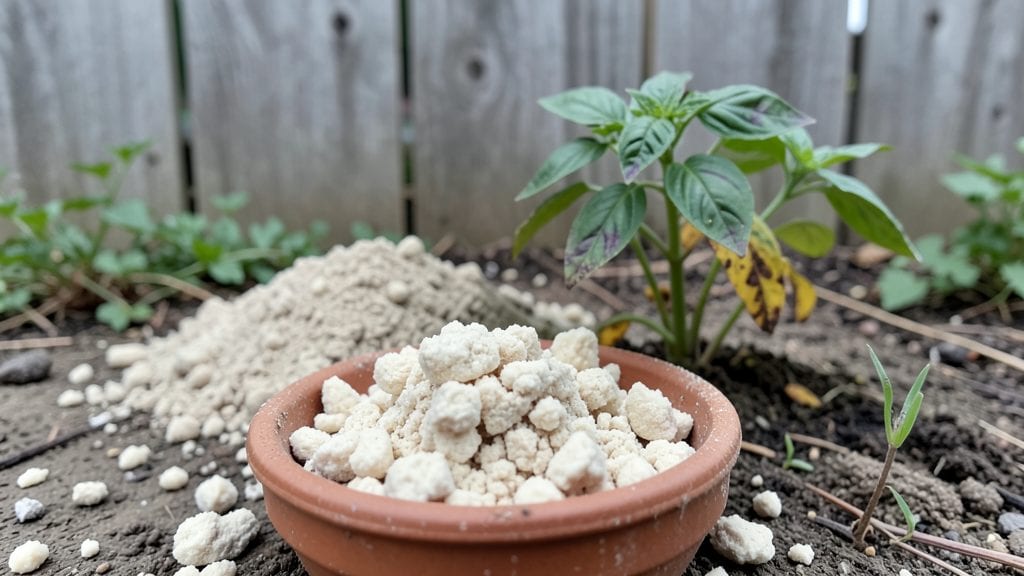
Using castile soap for garden purposes creates an effective natural insecticide and plant cleaner when mixed correctly, effectively controlling soft-bodied pests like aphids and spider mites without harming plants or soil if applied properly. Always spot-test first and avoid overuse to prevent leaf damage.
Castile soap works by breaking down the protective wax layer of pests, causing dehydration and suffocation. 🌱 Unlike harsh chemicals, its plant-based saponins dissolve in water, making it a biodegradable alternative that won’t accumulate in soil.
I’ve found the 1–2 tablespoons per gallon ratio strikes the perfect balance—strong enough to deter pests but gentle enough for regular use when paired with water.
For best results, apply early morning or late evening when temperatures are cooler and beneficial insects like ladybugs are less active. Mixing in 1 teaspoon of neem oil enhances its effectiveness against fungal issues while maintaining safety for your garden’s ecosystem.
Always shake the bottle before use to ensure even distribution.
💡 In This Article
- How Castile Soap Works Against Garden Pests
- Safe Application Methods for Castile Soap in Gardens
How Castile soap works against garden pests
Castile soap's pest-fighting power comes from its active ingredient: saponins. These natural compounds create a chemical reaction when mixed with water, forming tiny soap molecules that break down the protective waxy coating on soft-bodied insects like aphids and spider mites.
This wax layer acts like a waterproof shield, and when disrupted, the pests dehydrate within hours. The key difference from synthetic pesticides is that saponins work mechanically rather than chemically, targeting only the pest's outer layer without leaving toxic residues.
The effectiveness varies by dilution ratio—1-2 tablespoons per gallon creates a concentration strong enough to suffocate pests but gentle enough for plant foliage. For comparison, commercial insecticidal soaps typically use 2-4 tablespoons per gallon, showing Castile soap's potency at lower concentrations.
The soap's molecular structure allows it to cling to the pest's exoskeleton while rinsing off plant surfaces, which is why it's safer than many chemical alternatives that can accumulate in soil.
What makes this particularly interesting is how the soap's pH plays a role. Castile soap has a mild alkaline nature (around 8-9 pH), which helps dissolve the wax layer more effectively than neutral water.
This alkaline property also makes it incompatible with acidic additives like vinegar—mixing them creates a neutral solution that loses effectiveness. The biodegradable nature of saponins means they break down completely within 7-14 days, unlike synthetic pesticides that can persist for months.
Soft-bodied insects are especially vulnerable because their exoskeletons lack the hard chitin layer found in beetles or caterpillars. When you spray a diluted solution, the soap molecules penetrate the microscopic pores in their bodies, causing cellular damage that leads to rapid desiccation.
This targeted approach is why Castile soap won't harm earthworms or bees—these beneficial creatures have protective coatings that repel the soap's effects. The process is similar to how dish soap breaks down grease, but at a much gentler concentration.
For gardeners concerned about environmental impact, Castile soap offers a significant advantage over conventional pesticides. Unlike neonicotinoids that can contaminate groundwater or pyrethroids that linger in soil, saponins decompose completely through microbial action. This makes it particularly suitable for organic gardening, where chemical accumulation is a major concern.
The soap's plant-based origin also means it won't contribute to the development of pesticide-resistant pest populations, a growing problem with synthetic chemicals.
One common misconception is that all soaps work the same way in gardens. Detergent soaps, for example, contain synthetic surfactants that can damage plant tissues at similar concentrations. Castile soap's gentle saponins allow for broader application—you can safely spray foliage, stems, and even some fruits without worrying about phytotoxicity.
The key is maintaining the proper dilution and avoiding direct application to flowering plants, where the soap might interfere with pollination processes.
When used correctly, Castile soap provides a threefold benefit: immediate pest control, residual cleaning of plant surfaces, and long-term soil safety. The combination of mechanical action, biodegradability, and plant compatibility makes it one of the most versatile natural garden treatments available today. 🌿