
Tools
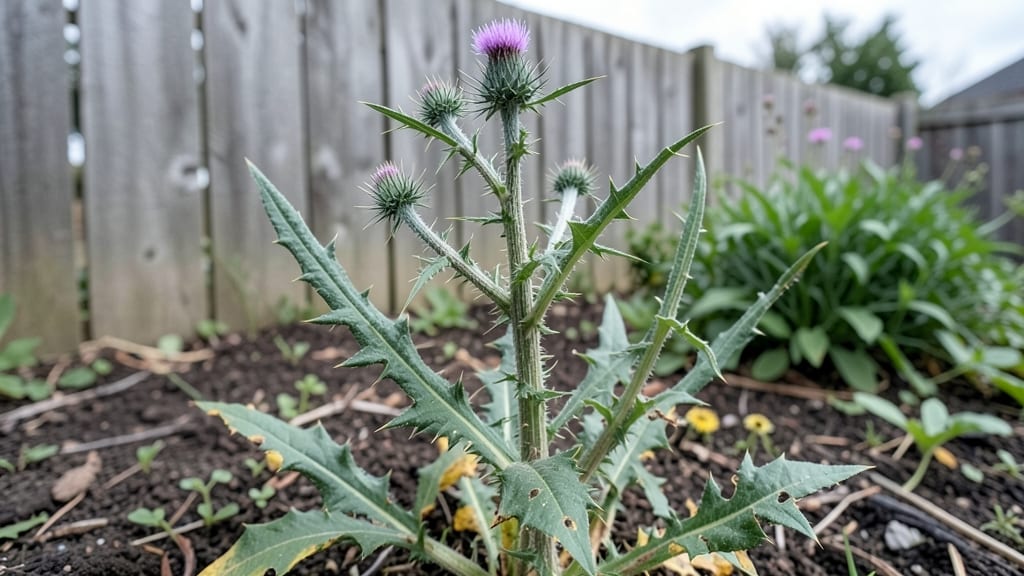
Spiky garden weeds like thistles and nettles turn your peaceful garden into a porcupine patch. I’ve wrestled with these stubborn invaders for years, and the right tools make all the difference—protecting your hands, soil, and sanity.
The key is removing them without tearing up your beds or leaving behind roots that sprout back stronger.
Long-handled garden pruners with thick grips and heavy-duty gloves are your first line of defense. I swear by a pair of 18-inch pruners with a serrated edge—they cut through tough stems cleanly while keeping your fingers safe.
For really thick stems, a weed torch (used carefully) or a sharp hula hoe works like a charm, especially in larger patches.
What you’ll love most is how these methods preserve your soil. Unlike digging or pulling, which exposes roots and disturbs the earth, these tools let you extract weeds whole, leaving your beds intact.
Plus, the weeds themselves can be composted (once dried) or used as mulch—no waste, just smarter gardening.
Prevention starts with mulching heavily around vulnerable plants and checking soil health—weeds thrive where nutrients are lacking. A little elbow grease now means fewer battles later. Let’s get those prickly pests under control without turning your garden into a war zone.
The Hidden Triggers Behind Prickly Invaders
If your garden is becoming a battleground of spiky weeds—like thistles, stinging nettles, or cactus-like invasives—you’re not just dealing with an eyesore. These plants thrive because of specific conditions that favor their growth over your desired flora.
Understanding the why behind their persistence is the first step to reclaiming your space without harming the soil or surrounding plants. Let’s break down the science-backed reasons these prickly pests take over.
Spiky weeds often dominate because they’re adapted to nutrient-poor, compacted, or disturbed soil. Unlike many garden plants that rely on rich, well-aerated soil, these weeds thrive in:
- Low organic matter: Weeds like Russian thistle (tumbleweed) and purslane flourish in soil lacking compost or mulch, as they’ve evolved to extract nutrients efficiently from barren ground.
- Compacted soil: Heavy foot traffic, machinery, or clay-heavy soil reduces oxygen and water penetration. Prickly weeds like bindweed exploit these conditions because their roots can penetrate tight spaces that other plants can’t.
- High salinity or alkalinity: Areas with poor drainage or salt buildup (common in coastal gardens or over-fertilized lawns) favor halophytic weeds like glasswort, which store salt in their tissues.
Actionable fix: Test your soil’s pH and nutrient levels (kits are affordable and available at garden centers). Amend compacted areas with compost, sand, or gypsum to improve structure. A 2–3 inch layer of mulch suppresses weeds by blocking sunlight and retaining moisture.
Most spiky weeds are opportunistic sunlight lovers—they rush to fill gaps where other plants struggle. Here’s how light conditions play a role:
- Full sun exposure: Weeds like prickly pear cactus and bull thistle thrive in open, sunny areas because they photosynthesize aggressively to outcompete slower-growing perennials.
- Partial shade neglect: Under trees or shrubs, wood sorrel or garlic mustard (a spiky-stemmed invasive) seize the moment when gardeners assume “no weeds grow here.” These plants tolerate low light better than most ornamentals.
- Seasonal light shifts: Early spring or late summer, when your garden is still establishing, weeds like dandelions (yes, they’re spiky!) germinate in mass because they’ve timed their growth to exploit weakened competition.
Actionable fix:
- Use dense ground covers (like clover or creeping thyme) to block sunlight from reaching weed seeds.
- Install landscape fabric under mulch in high-risk areas, but avoid plastic—it suffocates soil over time.
- Plant fast-growing annuals (e.g., sunflowers or buckwheat) as temporary “weed blockers” in bare patches.
Overwatering or inconsistent moisture creates a weed paradise. Prickly weeds often dominate because they:
- Store water efficiently: Plants like Russian knapweed have deep taproots that access groundwater, making them drought-resistant. They outlast shallow-rooted perennials during dry spells.
- Germinate with excess moisture: Many weed seeds require water to activate. A heavy rain or overwatering triggers a germination explosion—especially for goosegrass or spiny sowthistle.
- Thrive in soggy soil: Weeds like cattails or reed canary grass (which can have spiny edges) love waterlogged conditions, often taking over near irrigation systems or poor-drainage zones.
Actionable fix:
- Improve drainage with sand or gravel in problem areas, or install French drains if water pools.
- Use drip irrigation or soaker hoses to deliver water directly to plant roots, avoiding weed seeds.
- Let soil dry slightly between waterings—most weeds can’t compete with established plants once moisture stress is removed.
Any disruption to the soil—whether from digging, tilling, or even animal activity—stirs up dormant weed seeds buried for years. Prickly weeds exploit this chaos because:
- Seeds lie dormant for decades: Some weeds, like field bindweed, produce seeds that can remain viable for 60+ years. Tilling brings them to the surface.
- Roots fragment easily: Plants like creeping bentgrass (a spiky, invasive grass) spread via root runners. Even a small piece left in the soil can regrow.
- Animals spread seeds: Birds, rodents, and even humans unknowingly transport cocklebur or pokeweed seeds via fur, shoes, or tools.
Actionable fix:
- Switch to no-till gardening—cover soil with cardboard + mulch instead of turning it over.
- Solarize soil in late summer: Cover bare beds with clear plastic for 4–6 weeks to bake out weed seeds.
- Clean tools and shoes after working in infested areas to prevent seed hitchhiking.
Pro Tip: 🔍 Identify your spiky intruders first! Some “weeds” (like milk thistle) are edible or medicinal, while others (e.g., kudzu) are ecological nightmares. Use a weed ID app or local extension service to tailor your approach.
Remove Thistles and Brambles Safely
Thorny invaders like spiky weeds (think thistles, blackberries, or bindweed) can turn your garden into a prickly nightmare—but you don’t need harsh chemicals or backbreaking labor to reclaim it.
Below are targeted, humane solutions for each common cause, plus prevention tips to keep your garden smooth and safe for years to come.
If your garden is overrun by seed-spreading weeds (like creeping thistle or milkweed), the key is prevention before they take root.
🔥 Smother Before They Sprout
- Landscape fabric or thick mulch (wood chips, straw, or cardboard) blocks sunlight, which seeds need to germinate.
- Solarization: Cover bare soil with clear plastic for 4–6 weeks in hot sun—this bakes seeds into oblivion. (Pro tip: 🌡️ Do this in late spring or early summer for max effectiveness.)
🍳 Pull or Dig Before They Flower
- Hand-pull young weeds (when soil is moist) with a weed wrench or dandelion digger—these tools grip roots without breaking.
- Use a hoe for larger patches: Skim the surface to sever seedling roots before they mature.
💡 Prevention Hack
Plant dense ground covers (clover, creeping thyme, or ornamental grasses) to outcompete weeds naturally.
Some weeds (like bindweed or brambles) have tenacious root systems that regrow if cut improperly.
⏰ Time Your Removal Right
- Early spring or fall (when soil is soft) makes extraction easier.
- Soak the area first with water or vinegar (5% acetic acid) to weaken roots.
🔪 The Right Tools for the Job
| Weed Type | Best Tool | How to Use It |
|---|---|---|
| Thistles | Pruning shears + gloves | Cut at the base, then dig out the taproot. |
| Bindweed | Hori-hori knife | Slice roots in multiple places to starve them. |
| Blackberry brambles | Loppers + rope | Saw thick stems, then smother regrowth with cardboard. |
🎯 Post-Removal Care
- Monitor for regrowth for 2–3 months—new shoots mean missed roots!
- Apply corn gluten meal (a natural pre-emergent) in early spring to prevent seeds from sprouting.
If weeds are aggressive and widespread, selective herbicides can help—but choose low-toxicity, humane options.
👨🍳 Spot-Treat with Precision
- Vinegar + dish soap spray (for non-organic areas):
- Mix 1 gallon white vinegar + 1 oz dish soap + 1 cup salt.
- Spray directly on leaves (avoid desirable plants—it’s non-selective!).
- Reapply after rain.
- Horticultural vinegar (20–30% acid) for tougher weeds like poison ivy or kudzu.
🌱 Organic Herbicide Alternatives
- Boiling water (for sidewalk cracks or driveways).
- Salt (sparingly)—only in non-plant areas (it harms soil microbes long-term).
⚠️ Safety First
- Wear gloves and long sleeves—some weeds (like stinging nettle) pack a punch!
- Test sprays on a small area first to avoid damaging plants.
Once you’ve cleared the spiky menaces, lock in your progress with these low-maintenance strategies:
🌡️ Heat & Barriers Work Wonders
- Landscape fabric + mulch: Layers of cardboard + wood chips block light and seeds.
- Flame weeding tools: A propane torch (used carefully!) can singe weeds without chemicals.
💡 Smart Garden Design
- Edge beds with stones or pavers to prevent weed creep.
- Plant perennials in clusters—dense foliage leaves little room for intruders.
🌱 Encourage Beneficial Competition
- Companion plants like marigolds or basil deter weeds naturally.
- Cover crops (like clover or winter rye) protect soil and suppress weeds when tilled in.
Final Pro Tip: 🔥 Stay consistent! Weeds thrive when neglected—10 minutes weekly of proactive care beats a month of brutal battles later. Happy gardening!
Frequently asked questions
What are the most common types of spiky weeds in gardens?
Look for these troublemakers: thistles (with their sharp, spiny leaves), stinging nettles (covered in tiny hairs that cause itchy rashes), blackberry brambles (with thorny canes), and bindweed (a vine with arrow-shaped leaves). Cactus-like prickly pear and Russian thistle (tumbleweed) are also common invaders.
Are there any safe, chemical-free ways to remove spiky weeds?
Try these humane methods: Hand-pulling with a weed wrench (best when soil is moist), vinegar spray (1 gallon white vinegar + 1 oz dish soap), or solarization (covering soil with clear plastic for 4–6 weeks to bake seeds). For tough roots, use a Hori-hori knife to slice them. Always wear thick gloves to protect your hands!
Why do spiky weeds keep coming back even after removal?
Weeds often regrow because you missed roots or root fragments. For example, bindweed can sprout from just a tiny piece of root left in the soil. Always dig deep—aim for the entire root system. Another reason? Dormant seeds in the soil can germinate when disturbed. Use mulch or landscape fabric to block sunlight and prevent new growth.
Can I compost spiky weeds after removing them?
Only if you dry them completely first—fresh green weeds can introduce seeds or attract pests to your compost pile. Bundle them in a mesh bag and leave them in the sun for 2–3 days to kill any remaining seeds. Avoid composting weeds that have gone to seed, as this spreads them even more.
What’s the best time of year to tackle spiky weeds?
Target weeds in early spring or fall when soil is soft and moist, making it easier to pull roots. Avoid summer heat, which can stress your plants and make weeds more resilient. For seed-spreading weeds, act before they flower—this prevents new seeds from forming. Consistency is key: 10 minutes weekly beats a single brutal session!