Companion Plants
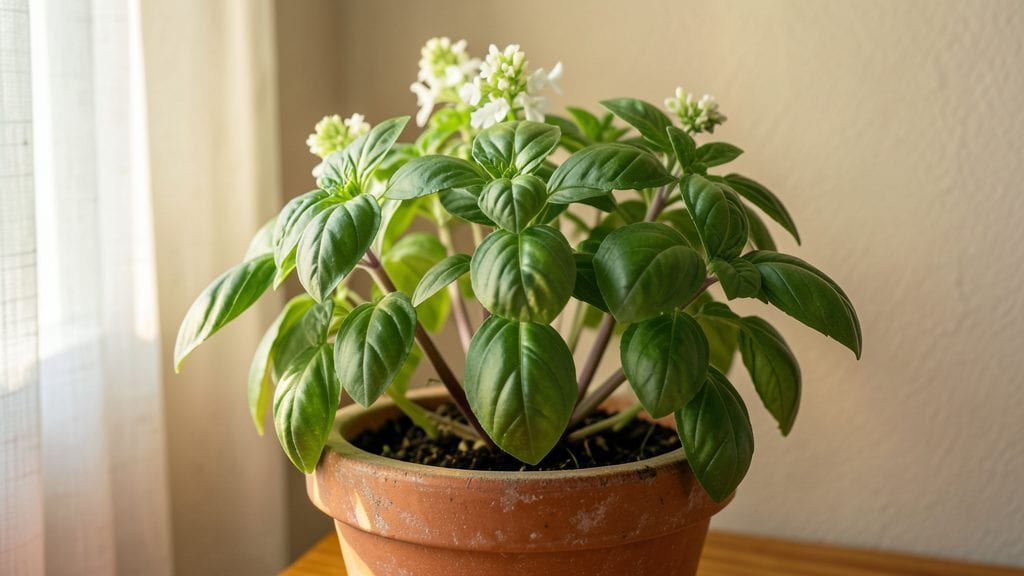
Growing basil plants from seed to table in just 6-8 weeks changes everything about how you cook—and how you garden. 🌱 I’ve turned my kitchen windowsill into a basil factory, and the secret isn’t fancy tools but matching the plant’s speed with smart care.
Most people overwater or crowd the pots, but basil thrives when you treat it like the fast grower it is.
The magic starts with the right setup: 5-6 hours of sunlight daily, well-draining soil, and containers with drainage holes. Basil grows best in 5-7 inch pots—smaller than you’d think—because it roots quickly but hates soggy feet.
Once planted, keep the soil consistently moist but never soggy, and watch those purple stems turn green in 10-14 days.
By the time you’re harvesting, you’ll have lush, fragrant leaves ready for pesto, salads, or sandwiches—no store-bought herb needed. The key is pruning regularly to encourage bushier growth, and you’ll end up with more basil than you know what to do with.
This works for containers, raised beds, or even balcony gardens.
Even if you’ve killed basil before, this method is foolproof—I’ve saved dozens of struggling plants with these simple tweaks. Let’s get those seeds growing fast!
📚 In This Guide
- What you need
- Instructions
- Tips and common mistakes
- Wrapping up and next steps
What you need
- ● Basil seeds or seedlings: 6–10 seeds (if starting from scratch) or
- ● 2–4 healthy seedlings (for faster growth)
- ● Containers: 1–2 6-inch pots (per plant) with drainage holes or
- ● A 5-gallon grow bag (for multiple plants)
- ● Potting mix: 1 bag of well-draining, organic potting soil (avoid garden soil—it compacts!)
- ● Fertilizer: Balanced liquid fertilizer (10-10-10) or organic options like fish emulsion
- ● Watering can or spray bottle: For gentle, even hydration
- ● Pruning shears or scissors: Sharp, clean tools for harvesting
- ● Grow lights (if indoors, 12+ hours of light daily)
- ● Mulch (to retain moisture and suppress weeds)
- ● Companion plant seeds (e.g., tomatoes or peppers—basil loves them!)
- ● Plant markers (to label your basil variety)
Step-by-step instructions for growing basil plants in containers
Here’s how to grow basil from seed to harvest in just a few weeks—fast enough to enjoy fresh leaves in time for your first summer recipes.
🌱 Step 1: Prepare Containers and Seed Starting Mix
Fill your 4-inch diameter containers with 1 gallon of seed-starting mix (not garden soil—it’s too dense for basil’s delicate roots). I press the mix down lightly to remove air pockets, then moisten it until it’s damp like a wrung-out sponge. Basil seeds need consistent moisture but hate soggy soil, so aim for even dampness without puddles.
Place the containers in a warm spot—basil seeds germinate best at 70-80°F. If your home runs cooler, pop them on a seedling heat mat. I’ve found that pre-warming the soil for 24 hours speeds up germination by a full day. This is the moment that matters: patience now means stronger plants later.
🌱 Step 2: Sow Seeds and Maintain Moisture
Scatter 10-12 basil seeds per container, pressing them lightly into the top ¼ inch of soil. Cover them with a thin layer of additional mix—just enough to obscure the seeds, no deeper. Mist the surface with a spray bottle until the soil looks evenly damp but not wet.
Real talk: Overwatering here is the fastest way to lose seedlings. Place the containers in a clear plastic bag or under a humidity dome to trap warmth and moisture. Check daily—condensation should form on the inside. Once 50% of seeds sprout (usually 7-10 days), remove the cover immediately to prevent fungal rot.
☀️ Step 3: Provide Bright Light and Prevent Legginess
Basil seedlings need 14-16 hours of light daily to grow strong. A south-facing window rarely cuts it, so I use a full-spectrum LED grow light placed 3 inches above the plants. Raise the light as they grow—you’ll see leggy stems if it’s too far away. Strong seedlings have thick stems and dark green leaves spaced closely together.
If you notice seedlings stretching toward the light, they’re begging for more intensity. Rotate the containers daily so all sides get equal exposure. This ensures bushy, compact growth instead of weak, spindly plants. You’ll love how quickly they fill out once they get the right light.
💧 Step 4: Water and Fertilize for Fast Growth
Water when the top inch of soil feels dry to the touch—basil hates soggy roots but wilts fast when thirsty. I use a small watering can with a narrow spout to water at the base, avoiding the leaves. Fertilize with ½ teaspoon of balanced 10-10-10 fertilizer dissolved in 1 gallon of water every 2 weeks once true leaves appear.
Here’s the thing—basil grows fast, but it’s sensitive to overfeeding. Yellow leaves mean too much fertilizer, while slow growth means it needs more. Watch for first true leaves (the second set after the initial cotyledons) as your signal to start feeding lightly. This keeps them vigorous without burning the roots.
✂️ Step 5: Harvest and Prune for Continuous Yield
Pinch off the top set of leaves when the plant reaches 6 inches tall to encourage bushier growth. This isn’t just pruning—it’s training the plant to grow wider instead of taller. Harvest outer leaves regularly to keep the plant productive. You’ll see new growth within 3-5 days of pinching.
Don’t skip this (I learned the hard way). If you let basil flower, the leaves turn bitter and the plant dies back. Harvest every 2-3 weeks during the growing season, and you’ll have a steady supply of fresh basil for months. The key is consistency—keep the soil moist, the light bright, and the harvests frequent.
Tips & tricks for fast-growing basil plants
A few quick tricks that'll help your basil grow from seed to harvest in record time—without the common pitfalls that slow down beginners.
Germination Secret: That 24-hour pre-warming of your seed-starting mix is non-negotiable for speedy germination. I use a seedling heat mat set to 80°F and cover the containers with plastic wrap to trap warmth. The soil should feel warm to the touch—like a freshly baked loaf of bread. This creates the ideal environment for seeds to sprout within 5-7 days instead of the usual 10-14 days. Trust me on this: skimp on this step, and you'll wait weeks for those first green shoots.
Lighting Strategy: Basil seedlings need that full 14-16 hours of light daily, but most windows just can't deliver enough intensity. I've found that placing a full-spectrum LED grow light 3 inches above the plants and setting a timer for 16 hours of on-time solves this perfectly. The key is to raise the light as the plants grow—when you see stems stretching toward the light like tiny sun-worshippers, it's time to adjust. This prevents leggy, weak seedlings that flop over when you finally transplant them.
Harvesting Hack: When your basil reaches that 6-inch height and you're ready to pinch the top set of leaves, here's the pro move: harvest in the morning after the dew has dried but before the sun gets too intense. The leaves will be at their peak flavor and moisture content. Plus, you'll see new growth within just 3-5 days—this consistent harvesting keeps your plants productive for months. I've had basil plants that lasted all summer with regular pinching and harvesting.
Fertilizer Timing: Wait for those first true leaves to appear before introducing fertilizer—this usually happens around 3-4 weeks after sowing. When you do fertilize, use that ½ teaspoon of 10-10-10 dissolved in 1 gallon of water every 2 weeks, but here's the catch: dilute it further by half if you notice any yellowing on the leaves. Basil is sensitive to salt buildup from fertilizer, and overfeeding can actually stunt growth rather than promote it. Think of it as giving your plants a light snack rather than a full meal.
Pro Tips for Gardening Basil Plants
- A few quick tricks that'll help your basil grow from seed to harvest in record time—without the common pitfalls that slow down beginners.
- Germination Secret: That 24-hour pre-warming of your seed-starting mix is non-negotiable for speedy germination.
- Lighting Strategy: Basil seedlings need that full 14-16 hours of light daily, but most windows just can't deliver enough intensity.
Frequently asked questions
Got questions about growing basil? You’re not alone—this fast-growing herb is a favorite, but it can be tricky for beginners! Here are answers to the most common queries to help you grow lush, flavorful basil with confidence.
How long does it take for basil plants to grow from seed?
With the right conditions, basil seeds typically sprout in 7–14 days and reach harvestable size (4–6 inches tall) in 6–8 weeks. For faster results, opt for transplants from a nursery—they’ll mature in 4–6 weeks. Patience pays off, though: the more time basil spends growing, the more intense its flavor becomes!
Why is my basil turning yellow, and how do I fix it?
Yellowing basil is usually a sign of overwatering or poor drainage. Let the top inch of soil dry out between waterings, and ensure pots have drainage holes. Underwatering can also cause stress—check soil moisture daily in hot weather. Yellow leaves on older stems may indicate nutrient deficiency; fertilize lightly with a balanced, water-soluble mix every 3–4 weeks.
Can I grow basil indoors year-round, and what’s the best setup?
Basil thrives indoors with 6+ hours of sunlight daily. Place it near a south-facing window or use a grow light (12–16 hours/day). Keep temps between 70–80°F, avoid cold drafts, and rotate the pot weekly for even growth. Containers 6+ inches deep work best—just mimic outdoor conditions as closely as possible!
What are the best companion plants for basil to deter pests?
Basil is a natural pest repellent! Plant it near tomatoes, peppers, or oregano to keep mosquitoes and flies away. Avoid pairing it with rue or sage, as they can stunt its growth. For container gardens, try marigolds or lettuce—they’re happy neighbors and boost flavor!
How do I harvest basil without killing the plant?
Always harvest from the top 1/3 of the plant to encourage bushier growth. Pinch off leaves just above a leaf pair (never take more than 1/3 of the plant at once). For continuous harvests, trim regularly every 2–3 weeks. Pro tip: Harvest in the morning for the most potent flavor, and use clean scissors to avoid disease.
What can I do if my basil flowers too early?
Basil flowers signal the end of its productive life—pinch them off immediately to redirect energy to leaf growth. If you miss this, the plant will bolt (go to seed) and lose flavor. For slow-bolting varieties like ‘Genovese,’ prioritize shade in hot climates (afternoon sun can trigger flowering).
Wrapping up and next steps
Growing basil is a rewarding journey that brings fresh, fragrant flavors straight to your kitchen!
Whether you’re a beginner or a seasoned gardener, these fast-growing herbs thrive in containers or garden beds with just a little care. Start small, experiment with varieties, and soon you’ll be harvesting lush leaves for pesto, salads, or teas.
Ready to dive in? Pick your spot, grab some seeds or seedlings, and get planting! Your garden—and your taste buds—will thank you. 🌱✨