Companion Plants
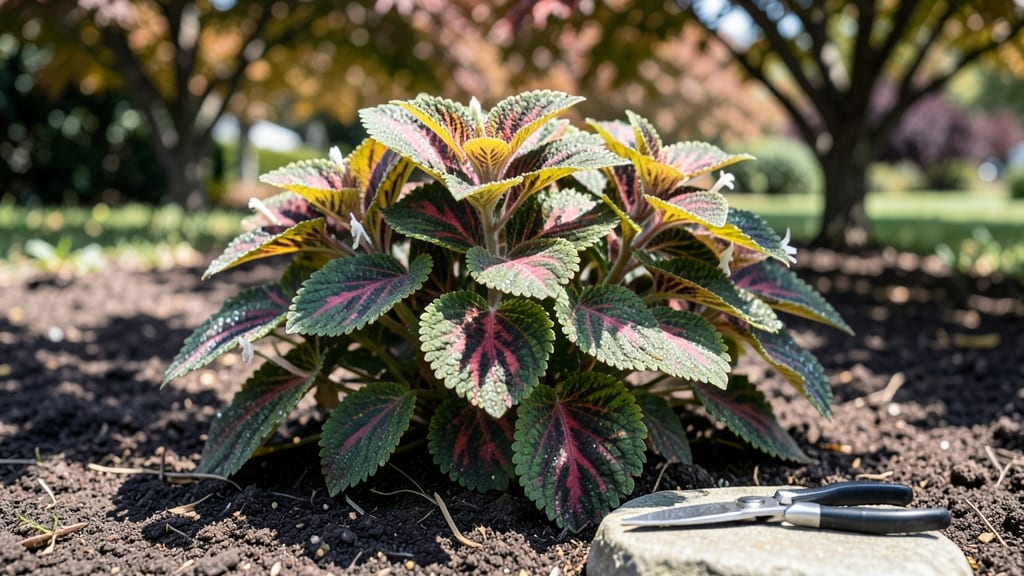
My first garden budget-buster was paying $8 for a single lavender plant—until I learned how to grow affordable garden plants that deliver the same beauty for a fraction of the cost. 🌿 The secret isn’t sacrificing color or impact; it’s knowing which plants multiply easily, where to find them cheap, and how to stretch every dollar without cutting corners on results.
Start with perennials like coneflowers or black-eyed Susans—each plant divides into three or four in a season, and you’ll have more than you know what to do with.
Seed swaps, local plant sales, and even grocery store herb cuttings (like mint or basil) become treasure troves when you know what to look for. My pollinator garden now thrives on plants I grew from seed or swapped with neighbors, cutting costs by 90% while attracting more bees than ever.
You’ll end up with borders bursting with color, containers packed with texture, and a garden that feels intentional—not just a patchwork of expensive impulse buys. The best part?
These plants don’t just survive; they multiply, so next year’s garden costs even less. Let’s turn your plant budget into a highlight reel, not a regret.
Works for any space—balconies, borders, or big backyards—because affordability doesn’t mean small thinking. Here’s how to make it happen without breaking the bank or the rules of good design.
📚 In This Guide
- What you need
- Instructions
- Tips and common mistakes
- Wrapping up and next steps
What you need
- ● Seeds or Seedlings: 5–10 packets of affordable, fast-growing plants (e.g., marigolds, zinnias, or sunflowers—$1–$3 per packet).
- ● 3–5 hardy perennials (e.g., lavender, coneflowers, or hostas—$3–$8 each).
- ● Soil & Fertilizer: 5–10 bags of garden soil or compost (20–30 lbs each, $5–$10 per bag).
- ● 1–2 bags of slow-release fertilizer (e.g., 10-10-10, $10–$15).
- ○ Optional: Organic mulch (straw or shredded leaves, $3–$8 per bale).
- ● Tools: 1 hand trowel ($5–$10).
- ● 1 pruning shears ($8–$15).
- ● 1 watering can or hose (with adjustable nozzle, $10–$20).
- ○ Optional: Garden gloves ($5–$12) and kneeling pad ($10–$20).
- ● Sunlight: Identify at least 6 hours of direct sun per day for most plants (or partial shade for ferns/hostas).
- ● Water Source: Ensure easy access to water (hose, rain barrel, or nearby spigot).
- ● Space: Small garden? Opt for container-friendly plants (e.g., herbs, petunias).
- ● Large yard? Plan for 3–6 ft spacing between perennials.
- ● Budget Tip: Check local plant swaps, dollar stores, or clearance sections at garden centers for deals! 💡
How to build a low-cost, high-impact plant collection
Here's how I create vibrant gardens on a budget—no expensive nursery trips needed.
🌱 Step 1: Start with Propagation Basics
Most affordable plants begin with cuttings or seeds. I always start with herbs and succulents—they root easily from cuttings and cost pennies at grocery stores. Snap a basil stem, remove the lower leaves, and place it in water. You'll see roots in 7-10 days—that's your first free plant.
For seeds, buy open-pollinated varieties (like cosmos or marigolds) from dollar stores or swap with neighbors. A single packet yields dozens of plants, and you can save seeds year after year. I plant these in small pots (under $1 each) until they're strong enough for the garden.
💧 Step 2: Shop Secondhand Containers
Skip the $10+ pots—thrift stores, hardware stores, and even your kitchen yield perfect containers. Clean yogurt cups, tin cans (with holes drilled), and old buckets become free or cheap planters. Just sanitize them with 1 part bleach to 10 parts water to kill pests.
I also repurpose broken terracotta pots by gluing them together to create tiered displays. Paint them with non-toxic outdoor paint if you want a fresh look—just let them dry 24 hours before planting. The key is drainage: Poke holes in the bottom of any container without them.
☀️ Step 3: Choose Frugal, Fast-Growing Plants
Focus on annuals that self-seed (like nasturtiums or sunflowers) or perennials that spread (like mint or comfrey). These multiply yearly without replanting. I also grow edible flowers (calendula, pansies) because they attract pollinators and add color—plus, you can harvest petals for teas or garnishes.
Avoid trendy, expensive plants like hostas or hydrangeas. Instead, opt for dirt-cheap workhorses: marigolds ($1 for 50 seeds), cosmos ($2 for 100 seeds), and black-eyed Susans ($3 for 50 plants). These thrive in full sun and poor soil, so they won’t break the bank or your back.
🌿 Step 4: Swap and Share with Neighbors
Join local gardening groups or post in community boards offering free plant swaps. People often give away overgrown or volunteer plants (like daylilies or peonies) just to clear space. I’ve gotten dozens of free plants this way—just bring a sharp pair of pruners and a gallon of water to help them recover.
Host your own swap too! Invite friends over with homemade cookies (not gardening-related, but it works) and let everyone take cuttings or divide plants. You’ll leave with more plants than you started and build a network of green thumbs. The best part? Zero cost—just time and enthusiasm.
⏰ Step 5: Maintain with Free Resources
Use rainwater (collect it in buckets) and mulch from fallen leaves to retain moisture. I also make compost tea by steeping grass clippings and kitchen scraps in water for 24 hours, then dilute it to feed plants. This free fertilizer keeps soil rich without store-bought chemicals.
Learn to prune for regrowth: Cut back dead or leggy stems to encourage bushier plants. For example, snip basil back by half after it flowers—it’ll grow back fuller and faster. The less you spend on new plants, the more you’ll invest in care and creativity.
Tips & tricks for affordable year-round garden color
Building a stunning garden on a budget is all about smart strategies—here's how I've perfected the process over years of trial and error.
The Propagation Secret: When starting with herb cuttings like basil in Step 1, use a clear glass or jar so you can watch those roots form in 7-10 days. The key is keeping the water level just high enough to cover the stem nodes—about 1-2 inches. Change the water every 3-4 days to prevent bacterial growth. I've found that adding a drop of hydrogen peroxide to the water helps speed up root development and keeps it fresh longer.
Container Hack: In Step 2, don't overlook the drainage holes! For containers without them, like tin cans or yogurt cups, drill holes using a nail heated over a flame—it makes quick work of it. I also recommend adding a layer of coffee grounds at the bottom of containers before soil. The grounds improve drainage while adding nutrients, and they're free if you drink coffee regularly. Just make sure to rinse any painted containers thoroughly before planting—leftover paint fumes can harm your plants.
Plant Selection Strategy: The $1 for 50 marigold seeds mentioned in Step 3 is a steal, but here's the pro move: plant them in clusters of 3-5 seeds every 6 inches. This creates a fuller look immediately and deters pests naturally. I've also noticed that planting marigolds alongside tomatoes boosts tomato production—it's like getting two plants for the price of one!
Compost Tea Timing: For the 24-hour compost tea in Step 5, I've found that using a 5-gallon bucket works perfectly. Fill it halfway with chopped grass clippings and kitchen scraps (avoid meat or dairy), then add water to fill the bucket. Stir daily to keep the mixture aerobic. After 24 hours, strain through an old pillowcase or cheesecloth and dilute the tea with water (1 part tea to 3 parts water) before using. This prevents burning your plants with too much nitrogen.
Pro Tips for Affordable Garden Plants
- Building a stunning garden on a budget is all about smart strategies—here's how I've perfected the process over years of trial and error.
- The Propagation Secret: When starting with herb cuttings like basil in Step 1, use a clear glass or jar so you can watch those roots form in 7-10 days.
- Container Hack: In Step 2, don't overlook the drainage holes!
Frequently asked questions
Got questions about keeping your garden beautiful without breaking the bank? Here are some common concerns—and their answers—to help you grow with confidence!
What are the most budget-friendly plants for year-round color?
Start with perennials like lavender, black-eyed Susans, and sedum—they return every year and thrive with minimal care. For color, try pansies (cool seasons) or marigolds (warm seasons). Local nurseries often sell flats of these for <$5–$10!
When is the best time to plant affordable garden plants?
For cool-season plants (like lettuce or snapdragons), aim for early spring or fall. Warm-season plants (e.g., sunflowers or cosmos) love late spring after frost. Check your USDA Hardiness Zone for local timing tips—extension offices are a great free resource!
Can I grow affordable plants from seeds instead of buying seedlings?
Absolutely!
Seeds are far cheaper (e.g., a packet of marigold seeds costs ~$2 vs. $5+ for a plant). Start with fast-growing options like basil, zucchini, or nasturtiums. Just give them light (a sunny windowsill or grow lights) and patience—seedlings take 4–8 weeks to mature.
How do I keep pests away from my affordable plants without expensive sprays?
Try homemade remedies first! Neem oil (diluted) deters aphids and mites, or spray soapy water (1 tsp mild soap + 1 quart water) on leaves. Companion planting works too—pair basil with tomatoes or marigolds with veggies to repel pests naturally. Handpick larger bugs (like tomato hornworms) early in the day.
What if my affordable plants aren’t thriving? Troubleshooting tips?
Check these first:
- Water issues: Overwatering causes yellow leaves; underwatering makes plants wilt. Stick your finger in the soil—if it’s dry 1" down, water deeply.
- Sunlight: Wilting or pale leaves? Your plant may need more/better light (e.g., move herbs to a sunnier spot).
- Soil: Amend with compost if plants look stunted. Most affordable plants prefer well-draining soil.
Still struggling? Snap a photo and ask your local gardening group (Facebook/Reddit) for help—many share free advice!
Wrapping up and next steps
Transforming your garden into a vibrant, low-cost paradise is simpler than you think! With affordable garden plants like marigolds, pansies, and ornamental grasses, you can enjoy year-round color without breaking the bank. These budget-friendly picks are easy to grow, hardy, and perfect for companion planting—boosting both beauty and biodiversity.
Ready to get started? Take the first step by browsing local nurseries, seed swaps, or even your grocery store’s herb section for cuttings. Your wallet—and your garden—will thank you! 🌱✨