Container Gardens
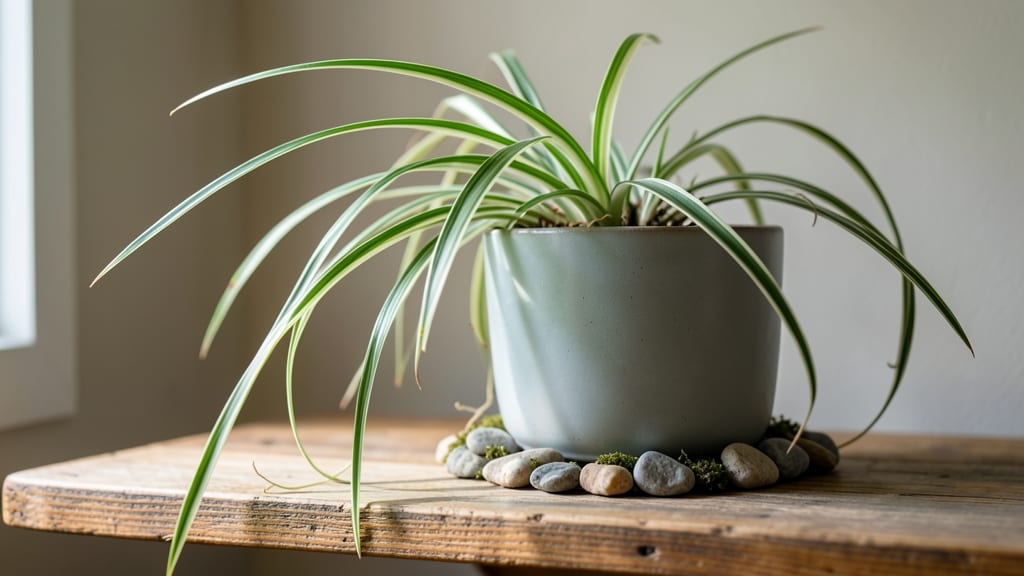
Indoor apartment gardens prove that you don’t need a backyard to grow lush greenery—just the right plants and a little creativity. ✨ My first attempt with a windowsill herb garden failed miserably, but after learning which varieties thrive in low light, I now have a thriving jungle of foliage that brightens every room.
Start with low-light champions like pothos, snake plants, or ZZ plants—they’re nearly impossible to kill and adapt to any corner. Add a small grow light for herbs or lettuce if your space is truly dark, and choose shallow containers to save shelf space.
The key is matching plant needs to your light conditions, not fighting them.
You’ll end up with a living room that feels like a mini rainforest, complete with velvety leaves and air-purifying benefits. The best part? No more wilting herbs or sad-looking plants—just vibrant greenery that grows steadily, even in dim apartments. Ready to transform your space?
Works for any room, from sunless bathrooms to cozy bedrooms. Here’s how to make it work without sacrificing style or space.
📚 In This Guide
- What you need
- Instructions
- Tips and common mistakes
- Wrapping up and next steps
What you need
- ● Containers: 3–5 shallow pots (6–12" in diameter) with drainage holes—terracotta, ceramic, or fabric grow bags work best.
- ● Potting Mix: 1–2 bags of lightweight, well-draining peat-free or coconut coir-based mix (avoid garden soil!).
- ● Drainage Layer: Small pebbles, perlite, or hydroponic clay balls (1–2 cups per pot).
- ● Low-Light Plants: 3–5 hardy varieties like snake plants, pothos, ZZ plants, or cast iron plants (check light needs!).
- ○ Grow Lights (Optional but Helpful): 1–2 LED full-spectrum bulbs (6000K–7000K color temp) or a small grow light kit for 12+ hours/day.
- ● Watering Can or Spray Bottle: A gentle misting spray or small can with a narrow spout.
- ● Fertilizer: A balanced liquid fertilizer (10-10-10 or 20-20-20) or slow-release granules.
- ○ Humidity Tray (Optional): A shallow tray + pebbles to boost moisture for tropical plants.
- ● Decorative Touches: Painted pots, moss, or hanging planters for a cozy vibe.
- ● Self-Watering System: A wicking bed kit or smart plant monitor for busy gardeners.
- ● Air Purifying Plants: Add peace lilies, spider plants, or aloe vera for extra benefits.
- ● Vertical Garden Kit: Wall-mounted shelves or a macramé hanger to maximize space.
Step-by-Step instructions for creating low-light indoor apartment gardens
Transform your dimmest corners into lush, thriving gardens with plants that love shade.
🪴 Step 1: Select the Right Containers and Soil Mix
Choose containers with drainage holes—terracotta pots or plastic grow trays work best. I prefer 6-8 inch diameter pots for individual plants and 12-inch trays for grouping. Fill each with a lightweight, well-draining potting mix (never garden soil, which compacts and suffocates roots). The mix should feel like a damp sponge when squeezed—if water drips out, it's too dense.
Add a thin layer of orchid bark or perlite at the bottom of each pot to improve drainage further. This prevents root rot, which is the #1 killer of indoor plants. I like to mix in a handful of worm castings for gentle, slow-release nutrients—your plants will reward you with faster growth and richer foliage.
🌱 Step 2: Choose Low-Light Champion Plants
For bright indirect light (near east-facing windows), try snake plants, ZZ plants, or pothos. These thrive with minimal fuss. In low-light conditions (north-facing windows or interior rooms), opt for cast iron plants, peace lilies, or parlor palms. Each of your 4 plants should get its own pot or a shared tray if they have similar care needs.
Here's the thing—avoid variegated plants in deep shade. Their white or yellow stripes need light to develop properly. Stick to solid green varieties for the best results. I always test a plant's light tolerance by placing it in the spot for 24 hours before committing—if it looks happy after a week, it's a keeper.
💧 Step 3: Master the Watering Schedule
Water only when the top 1-2 inches of soil feel dry to the touch. Stick your finger in—if it comes out clean, it's time. Overwatering is the silent killer of indoor gardens. I use a self-watering tray under each pot to catch excess moisture, but I never let plants sit in standing water for more than 12 hours.
Mist the leaves of peace lilies and parlor palms weekly to recreate humidity levels they love. For others, a quick rinse under the shower every 2-3 weeks removes dust and lets them breathe. I set a phone reminder for every 10 days to check moisture levels—consistency is key, especially in apartments where humidity fluctuates.
☀️ Step 4: Supplement Light Strategically
Even shade-loving plants benefit from 4-6 hours of bright indirect light daily. If your space is truly dark, place plants within 3 feet of a south-facing window or use a LED grow light on a 12-hour timer. I position mine 6-12 inches above the plants—closer for seedlings, farther for mature foliage.
Rotate plants quarter-turn weekly so they grow evenly. You'll notice leaves stretching toward the light? That's a sign to move the plant closer or increase light exposure. For 4 plants, a single 10-watt LED bulb suffices if placed centrally. Test placement by observing leaf color—dark green means it's happy; pale yellow means it's struggling.
🌿 Step 5: Maintain and Troubleshoot
Wipe leaves with a damp microfiber cloth monthly to remove dust, which blocks light absorption. Prune yellow or brown leaves immediately—they drain energy from healthy growth. For snake plants or ZZ plants, trim leggy stems at the base to encourage bushier growth. I use sterilized scissors dipped in rubbing alcohol to prevent disease spread.
Watch for pests like spider mites (tiny webs on undersides of leaves) or fungus gnats (tiny black flies near soil). Treat mites with neem oil spray weekly until gone; gnats disappear if you let the soil dry slightly between waterings. Real talk: If a leaf yellows, don't panic—it usually just needs more light or less water.
Tips & tricks for perfect indoor apartment gardens
Here's what nobody tells you about keeping your low-light greenery thriving without the guesswork.
The Container Drainage Secret: In Step 1, when selecting containers, pay special attention to the drainage holes' size. If they're too small, water will pool at the bottom and cause root rot. I've found that terracotta pots with 1/4-inch holes work best—they allow excess water to escape while keeping the soil structure intact. For plastic trays, make sure the holes are at least 3/8-inch wide to prevent clogging with soil particles.
Light Testing Hack: That 24-hour test in Step 2 is your best friend for avoiding plant disappointment. After placing a new plant in its spot, observe it closely for signs of stress like drooping leaves or yellowing. If it looks vibrant after a week, you've found its perfect home. Confession: I skipped this step with my first peace lily and ended up with a sad, leggy plant that took months to recover.
Watering Wisdom: The 12-hour rule for standing water in Step 3 is non-negotiable. After watering, check your self-watering trays—any water remaining after 12 hours should be poured out immediately. I've learned the hard way that even a few hours of standing water can lead to fungal issues. For extra insurance, elevate your trays on small feet or pebbles to improve airflow underneath.
Grow Light Placement: When using LED grow lights in Step 4, position them so they're 6-12 inches above the tallest leaves—not the top of the plant. This prevents scorching while ensuring even coverage. I like to use a small ruler to measure the distance and mark it on my light fixture. For 4 plants, a single 10-watt bulb works perfectly if placed centrally, but if you notice uneven growth, consider adding a second bulb for larger setups.
Pro Tips for Indoor Apartment Gardens
- Here's what nobody tells you about keeping your low-light greenery thriving without the guesswork.
- The Container Drainage Secret: In Step 1, when selecting containers, pay special attention to the drainage holes' siz...
- Light Testing Hack: That 24-hour test in Step 2 is your best friend for avoiding plant disappointment. After placing ...
Frequently asked questions
Got questions about bringing greenery indoors? You’re not alone!
Here are answers to the most common concerns about indoor apartment gardens—from sunlight struggles to space-saving hacks.
How do I grow plants indoors without natural sunlight?
Use LED grow lights (full-spectrum bulbs work best) for 12–16 hours daily. Place them 6–12 inches above plants. Low-light options like snake plants or ZZ plants thrive with minimal light, but most veggies need supplemental lighting. Rotate plants weekly for even growth!
What’s the easiest way to maximize space in a tiny apartment?
Go vertical! Use wall-mounted planters, hanging pockets, or stackable shelves. Opt for compact varieties like dwarf tomatoes, microgreens, or herbs (basil, thyme). Foldable tables or self-watering planters save counter space too. Think "up, not out!"
How often should I water indoor plants, and how do I avoid overwatering?
Check soil moisture with your finger—water when the top 1–2 inches feel dry. Overwatering is the #1 killer! Use pots with drainage holes and saucers to catch excess. Self-watering systems or moisture meters help beginners. Less is more! Most indoor plants prefer slightly dry soil.
What do I do if my indoor plants get pests?
Start with isolation: Quarantine affected plants. Wipe leaves with a soapy water (1 tsp mild soap + 1 quart water) or use neem oil spray. Check undersides of leaves for mites/aphids. Increase airflow (a small fan helps!) and avoid overwatering. Prevention is key—inspect new plants before bringing them home!
Are indoor gardens worth the cost for beginners?
Start small with $20–$50 for seeds, pots, and lights. Herbs or microgreens grow fast and save money on groceries. Even "failed" plants boost air quality and mood. Pro tip: Repurpose containers (mason jars, egg cartons) to cut costs. Think of it as an investment in fresh air and skills!
Wrapping up and next steps
Transforming your apartment into a lush indoor garden is easier—and more rewarding—than you think! 🌱 With the right low-light plants, clever containers, and a little creativity, you can bring nature indoors without needing a sun-drenched balcony.
Whether you’re a seasoned green thumb or a beginner, these space-saving solutions prove that even small spaces can nurture vibrant life.
Ready to grow? Start small—pick one plant to begin your journey, and watch as your indoor oasis flourishes. Happy gardening! 🌿