
Landscaping
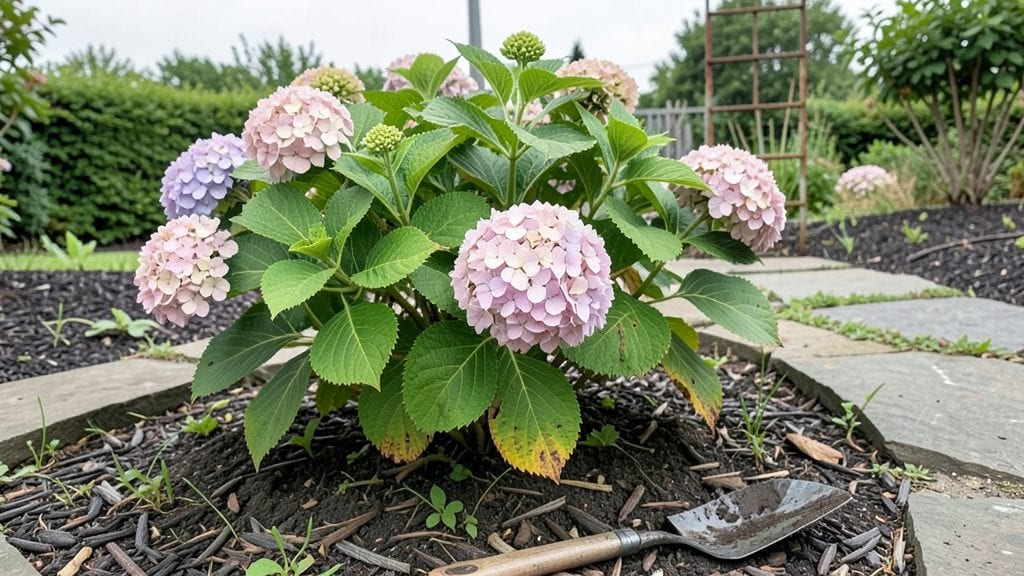
An elegant garden design thrives in quiet harmony—soft layers of color, texture, and movement that never scream for attention. I learned this the hard way when my first "designer" garden looked like a catalog page in July but turned into a muddy mess by October.
The secret isn't expensive materials—it's balancing evergreens with seasonal blooms so the space feels refined year-round, not just during peak bloom.
Start with a color palette inspired by nature's quiet luxury: think dusty blues, warm grays, and soft greens, then layer in plants that perform at different times.
A mixed border of boxwoods, hydrangeas, and ornamental grasses gives structure, while climbing roses on an arbor add vertical drama without overwhelming the space. The hardscaping—whether it's bluestone paths or weathered wood planters—should complement the plants, not compete with them.
What you end up with is a garden that feels like a living painting, where every season reveals something new. The spring bulbs pop against the evergreen backdrop, summer flowers fill gaps, and fall foliage takes center stage before winter structure keeps things interesting.
Maintenance stays manageable because the design works with nature, not against it—no dead zones, no color clashes, just quiet sophistication that grows more beautiful over time.
This approach works for any size yard, from a city courtyard to a country estate. The key is starting small—maybe one refined border or a single statement plant—and letting the rest evolve naturally. Here's how to begin without breaking the bank or your back.
📚 In This Guide
- What you need
- Instructions
- Tips and common mistakes
- Wrapping up and next steps
What you need
- ● Soil & Mulch: High-quality topsoil (2–4 cubic yards, depending on garden size)
- ● Organic mulch (cedar or pine, 2–3 bags)
- ● Plants & Greenery: Perennials (e.g., lavender, hostas, or peonies—5–10 plants)
- ● Seasonal annuals (e.g., pansies, petunias, or roses—10–20 plants)
- ● Shrubs or small trees (e.g., boxwood, hydrangeas, or Japanese maples—2–4 plants)
- ● Ornamental grasses (e.g., fountain grass or maiden grass—3–5 clumps)
- ● Hardscape Elements: Gravel or decomposed granite (1–2 tons, for pathways)
- ● Flagstone or pavers (10–20 pieces, for patios or borders)
- ● Garden edging (metal or stone, 50–100 feet)
- ○ Water Features (Optional): Small pond liner (if adding a water feature)
- ● Pump and tubing (for fountains or streams)
- ● Hand Tools: Garden trowel (1)
- ● Pruning shears (1)
- ● Hand shovel (1)
- ● Garden rake (1)
- ● Power Tools: Wheelbarrow (1)
- ● String trimmer (for edging)
- ● Lawn mower (if maintaining grass areas)
- ● Safety Gear: Work gloves (1–2 pairs)
- ● Knee pads (1–2 pairs)
- ● ✅ Site Assessment: Measure your space and note sunlight/shade patterns.
- ● ✅ Permits (if applicable): Check local regulations for hardscaping or water features.
- ● ✅ Budget Planning: Allocate funds for materials, tools, and potential professional help.
- ● ✅ Seasonal Considerations: Plant hardy perennials in early spring/fall for best results.
Instructions for crafting an elegant garden design
Here's how to layer timeless beauty into your outdoor space—season after season.
Define Your Garden's Foundation
Begin by sketching a rough layout on graph paper, using a 1-inch grid to represent 1-foot spacing—this precision ensures proportional harmony. I always start with the largest elements: a 10-foot by 12-foot rectangular lawn (if you're including one) or a central hardscape feature like a stone path or gravel patio. This anchors the design and provides a neutral backdrop for seasonal plantings.
Next, outline permanent structures—whether it's a trellis, arbor, or raised bed—using the provided 2x4 lumber and galvanized screws for durability. Position these elements to frame focal points, like a bench or small water feature. For example, a 6-foot tall arbor placed along a walkway creates an inviting entryway while adding vertical interest.
Layer Plants by Height and Seasonal Interest
Divide your garden into three distinct layers: tall (6-10 feet), mid-height (3-5 feet), and low (under 2 feet). Use the perennials, shrubs, and annuals to create vertical depth. Start with backdrop plants like 9-foot tall arborvitae or hydrangeas (which thrive in partial shade and bloom from mid-summer to fall). These provide structure and contrast against lighter foliage.
For mid-height, incorporate 3-foot tall ornamental grasses or shrub roses—these add texture and movement. Fill the front layer with low-growing perennials like lavender or creeping thyme, which stay lush even in drought conditions. Group plants with similar water needs together to simplify maintenance; for instance, place moisture-loving plants like hostas near a drip irrigation line while keeping succulents in well-draining gravel beds.
Incorporate Seasonal Accents
To maintain elegance year-round, rotate seasonal plants every 3-4 months. In spring, add tulips or daffodils for early color, then transition to summer annuals like petunias or zinnias by late May. For fall, introduce mums or asters, and in winter, use evergreens or ornamental kale for structure. I like to designate one 4-foot by 4-foot bed as a "seasonal showcase" where I swap out plants entirely each season.
Use mulch to unify the design while suppressing weeds. Apply a 2-inch layer of shredded bark around plants, keeping it 6 inches away from stems to prevent rot. This also helps retain moisture, reducing watering frequency by 30-40%. For contrast, add gravel paths or stepping stones to define walkways and add visual rhythm.
Add Focal Points and Finishing Touches
Every elegant garden needs one or two standout features. A small fountain (like a 12-inch tabletop model) adds soothing water sounds, while a sculpture or birdbath introduces artistic flair. Place these at eye level when seated, ensuring they’re visible from key vantage points. For softness, incorporate climbing roses on trellises or clematis on arbors—these add romantic, trailing elegance while training vertically.
Finally, integrate lighting to extend usability into evenings. Use solar-powered path lights every 3 feet along walkways and spotlights to highlight trees or shrubs. I prefer warm-white LEDs (around 2700K) for a cozy ambiance. Test lighting at dusk to ensure even coverage—uneven lighting can create harsh shadows and disrupt the garden’s harmony.
Tips & tricks for creating an elegant garden design
Creating a garden that exudes timeless elegance requires attention to detail and thoughtful planning. Here are the key insights that will elevate your outdoor space from ordinary to extraordinary.
Precision in Planning: The 1-inch grid system mentioned in Step 1 is your secret weapon for achieving proportional harmony. I recommend using graph paper with a ruler to maintain those exact 1-foot spacing measurements—this precision prevents the "eyeballing" mistakes that often lead to uneven layouts. For larger gardens, consider using a laser level to ensure your central hardscape features like patios or paths remain perfectly aligned with your intended design lines.
Layering with Purpose: When implementing the three distinct height layers in Step 2, think about the visual weight of each plant. Tall arborvitae or hydrangeas should never feel crowded—aim for spacing them about 6-8 feet apart to allow their full height to be appreciated. For mid-height plants like ornamental grasses, stagger their placement rather than lining them up in rows. This staggered approach creates natural movement and prevents a rigid, formal look that can feel sterile.
Seasonal Rotation Strategy: The 3-4 month rotation schedule in Step 3 works best when you plan ahead. I suggest creating a simple chart that maps out which seasonal plants will occupy your showcase bed each quarter. For example, pair spring tulips with early-blooming shrubs, then transition to summer zinnias with drought-tolerant perennials. This proactive planning ensures you always have the right plants on hand when needed, preventing last-minute trips to the nursery.
Lighting Design Essentials: When implementing the lighting plan in Step 4, remember that even coverage is more important than sheer quantity. I recommend placing your solar-powered path lights in a staggered pattern rather than in straight lines—this creates a more organic, inviting look. For spotlights highlighting trees or shrubs, position them at a 45-degree angle to avoid creating harsh shadows on the ground. Always test your lighting arrangement at dusk to catch any areas that might feel too bright or too dim.
Pro Tips for Elegant Garden Design
- Creating a garden that exudes timeless elegance requires attention to detail and thoughtful planning.
- Precision in Planning: The 1-inch grid system mentioned in Step 1 is your secret weapon for achieving proportional harmony.
- Layering with Purpose: When implementing the three distinct height layers in Step 2, think about the visual weight of each plant.
Frequently asked questions
Got questions about crafting an elegant garden design that wows year-round? You’re not alone! Here are answers to the most common queries—from planning to execution—so you can create a space that’s as refined as it is functional.
What’s the best time of year to start designing my elegant garden?
Spring and early fall are ideal for planning, as the soil is workable and you can visualize how plants will mature. However, timing depends on your climate. In warmer regions, winter can be a great time to sketch designs without rushing outdoor work. Start small—even a single focal point like a perennial border—to test what works before committing to full-scale changes.
How much does an elegant garden design typically cost?
Costs vary widely based on size, materials, and whether you DIY or hire a pro. A mid-range design (e.g., 500–1,000 sq. ft.) with hardscaping (paths, decks), plants, and lighting can range from $3,000–$10,000. Prioritize quality over quantity—opt for durable pavers or native plants to cut long-term costs. Always get 3+ quotes and factor in maintenance (e.g., pruning, mulching).
Can I create an elegant garden on a small balcony or patio?
Elegance isn’t about space—it’s about intentionality. Use vertical gardening (tiered planters, trellises), minimalist furniture, and strategic lighting to maximize impact. Opt for low-maintenance succulents, fragrant herbs, or even a single statement plant (like an olive tree in a large pot). A monochromatic color palette (e.g., whites, grays, and greens) enhances sophistication instantly.
What’s the biggest mistake people make when designing an elegant garden?
Overcrowding plants or ignoring scale and proportion. A common pitfall is mixing too many textures/colors without a unifying theme, which can look cluttered. Pro tip: Stick to a 3-color palette (e.g., cream + sage + terracotta) and leave room for air circulation. Also, avoid cheap, flimsy materials—invest in weather-resistant options like copper, stone, or powder-coated metal for longevity.
How do I keep my elegant garden looking polished in all seasons?
Layer plants with year-round interest: evergreens for structure, blooming perennials for color, and ornamental grasses for movement. Seasonal swaps help too—replace spring bulbs with fall mums or winter pansies. Mulch heavily to suppress weeds, and prune regularly (especially in late winter). Don’t forget weatherproof decor (e.g., sealed wood, rust-resistant metals) to prevent wear.
Still stumped? Start with one “wow” element—like a sculptural fountain or a luxurious hammock nook—and build from there!
Wrapping up and next steps
Creating an elegant garden design is all about blending timeless layers with seasonal flair—where every plant, path, and detail tells a story. Whether you’re drawn to structured symmetry or lush, organic curves, the key lies in thoughtful planning, quality materials, and a touch of creativity.
Your garden can become a serene retreat that evolves beautifully with each season! 🌸
Ready to bring your vision to life? Start small—sketch a rough layout, gather inspiration, and take the first step toward crafting a space that’s as functional as it is stunning. Happy designing!