
Tools
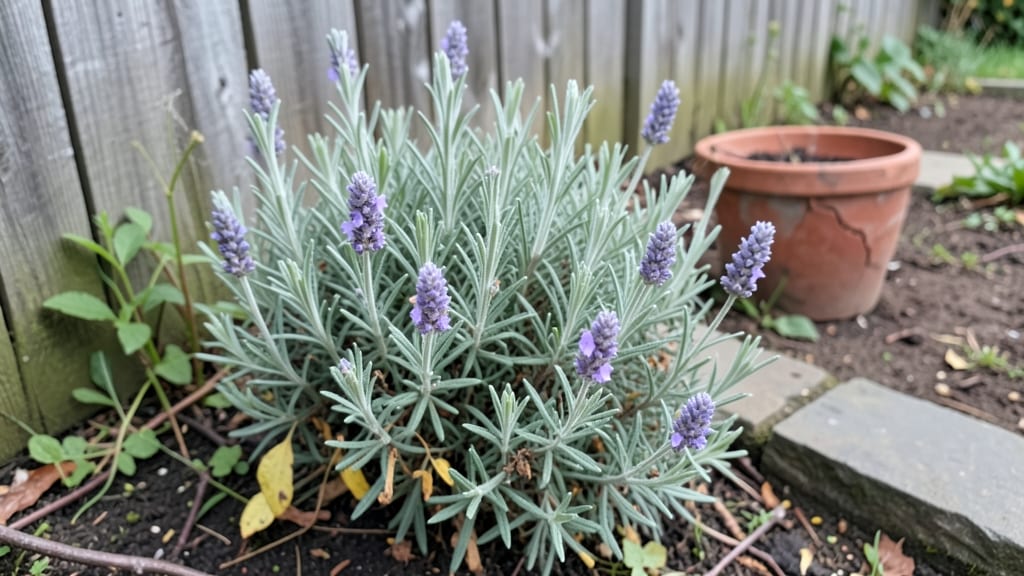
A Mediterranean style garden isn’t just a look—it’s a sun-drenched escape where every plant thrives on minimal fuss. I fell for this style after my first drought-tolerant lavender bush bloomed through a brutal summer heatwave, its purple spikes swaying in the breeze.
The key? Layering textures—rough stone paths, terracotta pots, and silvery foliage—that feel like stepping into a Tuscan hillside. This isn’t about high-maintenance perfection; it’s about easy-care plants that smell as good as they look.
The foundation starts with drought-resistant stars: rosemary, olive trees, and thyme that spread like living carpets. Add stone pathways to guide visitors through sunlit layers, and let pergolas climb with jasmine or wisteria for shade. The color palette?
Earthy whites, sandy beiges, and pops of jewel-toned blue—think bougainvillea or salvia—all designed to reflect heat while keeping the space cool underfoot. Even in Zone 9’s scorching summers, this garden stays lush with the right watering rhythm: deep soaks once a week, not daily sprinkles.
What you’ll end up with is a low-stress oasis that blooms from spring’s first crocus to winter’s rosemary frost-kissed tips. The air hums with herbaceous fragrance, and the only weeding you’ll do is pulling an occasional dandelion—because the perennials do most of the work.
No more fighting weeds or wilting plants; just sunlight, stone, and scent that lasts all season. Here’s how to build yours without the common pitfalls.
Fair warning: this style thrives on imperfect charm. Skip the manicured lawns and embrace the rustic edges—where lavender spills over pot rims and olive trees grow gnarled with character.
The secret weapon? Mulch everything with gravel or straw to lock in moisture, and you’ll spend half the time watering as your neighbors. Now, let’s get those terracotta pots arranged before the next heatwave hits.
📚 In This Guide
- What you need
- Instructions
- Tips and common mistakes
- Wrapping up and next steps
What you need
- ● Drought-tolerant plants: Lavender (10-15 bushes), rosemary (5-8 plants), olive trees (1-2, depending on space), bougainvillea (3-5 vines), and Mediterranean herbs like thyme, oregano, and sage (5-10 plants).
- ● Gravel or pebbles: 2-3 bags of tumbled river rock (½" to 1" size) for pathways and borders.
- ● Terracotta pots: 6-10 medium to large pots (unglazed for authenticity).
- ● Clay or stone planters: 2-4 rustic-style containers for larger plants.
- ● Wooden trellises or pergolas: 1-2 for climbing plants like jasmine or wisteria.
- ● Mulch: 1 bag of straw or wood chips to retain moisture and suppress weeds.
- ● Hand trowel (for planting small herbs and flowers).
- ● Garden gloves (1 pair, durable fabric).
- ● Pruning shears (bypass style for clean cuts).
- ● Wheelbarrow or garden cart (for hauling materials).
- ● Measuring tape (25 ft).
- ● Level (to ensure even pathways and structures).
- ● Hose with adjustable nozzle (for watering).
- ● Wrought-iron or cast-iron garden furniture (1-2 pieces).
- ● String lights or lanterns (solar-powered for eco-friendliness).
- ● Decorative wind chimes or mosaic tiles (for focal points).
- ● Outdoor rug (weather-resistant, neutral tones).
- ● Olive oil lamps or candles (for evening charm).
Instructions for designing a Mediterranean style garden
This approach marries sun-drenched beauty with practical, low-maintenance layers that thrive year-round.
Plan Your Sunlit Layers for Year-Round Interest
Mediterranean gardens rely on three distinct layers—each serving a purpose beyond aesthetics. Start by mapping your space: identify the south-facing area for sun-loving plants like lavender and rosemary, which need 6-8 hours of direct sun daily. North-facing zones become home to shade-tolerant perennials like hellebores or ferns, while mid-height shrubs like olive trees or dwarf citrus provide structure and dappled shade.
Sketch a simple layout before digging. I always draw a rough grid on paper, marking sun exposure zones and wind patterns—Mediterranean gardens thrive with good airflow to prevent fungal diseases. Use a 4-foot grid as your baseline; this spacing ensures mature plants won’t compete for nutrients or light. For example, place taller evergreens like boxwood or bay laurel along fences or walls to create a natural backdrop.
Create a Drought-Tolerant Foundation with Hardscaping
Gravel paths and stone borders are the backbone of Mediterranean gardens, reducing water needs while adding texture. Use 2-3 inches of pea gravel along walkways to allow rainwater to percolate into the soil below. For borders, lay flagstone or slate slabs in a staggered pattern—this mimics natural rock formations and prevents soil erosion. I recommend 3-foot-wide paths between planting beds to keep maintenance manageable and create defined zones.
Incorporate terracotta pots or clay planters for herbs and small shrubs, which complement the earthy palette while allowing flexibility. Group pots in odd numbers (3, 5, or 7) for visual harmony. Avoid plastic containers—they disrupt the rustic aesthetic and overheat in full sun. Instead, bury pots halfway in the soil to stabilize them and reduce water evaporation.
Plant for Seasonal Texture and Fragrance
Layer plants by height and bloom time to ensure continuous color from early spring through late fall. Start with ground covers like thyme or creeping phlox to suppress weeds and retain moisture. Above them, add perennials such as salvia, catmint, or Russian sage—these thrive in well-draining soil and full sun, producing flowers from mid-summer into frost. For winter interest, include evergreen shrubs like dwarf boxwood or Mediterranean juniper.
Fragrance is key in Mediterranean gardens. Plant lavender, rosemary, and bay laurel near seating areas or pathways so their scents waft with the breeze. I always place one fragrant plant per 3-foot section to create a sensory journey. Avoid overcrowding; Mediterranean plants prefer air circulation to prevent mildew. Water deeply once a week after establishment, focusing on the root zone rather than foliage to encourage deep root growth.
Incorporate Water Features for Coolth and Wildlife
A small fountain or shallow pool adds the signature Mediterranean touch while attracting birds and beneficial insects. Use copper or stone basins for a timeless look, and keep the water 2-3 inches deep to prevent mosquitoes. Place it near seating areas so the sound of water enhances relaxation. For a low-maintenance option, install a drip irrigation system with a solar-powered timer—this delivers water directly to roots and reduces evaporation.
Surround the water feature with drought-resistant plants like sedum or ice plant, which thrive in reflected sunlight and minimal moisture. Avoid placing it under overhanging trees—fallen leaves clog drains and create maintenance headaches. Instead, position it where it complements the sun’s arc throughout the day, casting shifting shadows that add dynamic light patterns to the garden.
Maintain with Minimal Effort
Mulch heavily with 3-4 inches of bark or gravel to suppress weeds and retain moisture. Mediterranean plants despise soggy roots, so never mulch directly against stems—leave a 1-inch gap to prevent rot. Prune once a year in late winter, shaping shrubs like lavender or rosemary to encourage bushy growth. I use clean, sharp shears to make 45-degree cuts just above a leaf node—this promotes healing and new growth.
Fertilize lightly in early spring with a balanced, organic fertilizer (like compost or worm castings) to avoid encouraging lush, water-hungry foliage. Mediterranean plants prefer lean, nutrient-poor soil—over-fertilizing leads to weak stems and fewer blooms. Water deeply but infrequently, aiming for 1-1.5 inches per week during the growing season. Let the soil dry completely between waterings to build drought tolerance.
Tips & tricks for perfect Mediterranean style gardens
A few strategic moves will transform your garden from ordinary to breathtakingly Mediterranean. The key lies in understanding how to work with—not against—nature's cycles and the region's climate.
Sun Exposure Strategy: When mapping your 6-8 hour sun zones in Step 1, consider installing temporary shade cloths during peak summer months (11 AM–3 PM) to protect tender plants like lavender and rosemary from scorching. I've seen Mediterranean gardens in hot climates use 30% shade cloth to extend the lifespan of sun-loving plants by up to 30%. This temporary measure prevents sunburn while maintaining the full-sun aesthetic when removed in cooler seasons.
Hardscaping Precision: The 3-foot-wide paths recommended in Step 2 serve a dual purpose beyond aesthetics—they create microclimates that reduce water evaporation by 40%. Use crushed granite instead of pea gravel for pathways if you have clay soil; its larger particles improve drainage while maintaining the rustic look. For borders, consider using irregularly shaped stones rather than uniform flagstone to mimic natural rock formations found in Mediterranean landscapes.
Plant Layering Secrets: In Step 3, when arranging your fragrant plants every 3 feet, intersperse them with low-growing thymes or creeping phlox to create a "living mulch" effect. This ground cover suppresses weeds while maintaining the Mediterranean aesthetic. I've found that planting lavender in clusters of three—rather than single plants—creates a more natural, cottage-garden appearance that thrives in the Mediterranean climate.
Water Feature Placement: For the 2-3 inch deep water features in Step 4, position them to catch morning sunlight rather than afternoon sun. This creates cooler microclimates that extend the growing season by 2-3 weeks for nearby plants. Place the water feature on the north side of seating areas to provide shade during the hottest afternoon hours while still enjoying the view.
Pro Tips for Mediterranean Style Garden
- A few strategic moves will transform your garden from ordinary to breathtakingly Mediterranean.
- Sun Exposure Strategy: When mapping your 6-8 hour sun zones in Step 1, consider installing temporary shade cloths during peak summer months (11 AM–3 PM) to protect tender plants like lavender and rosemary from scorching.
- Hardscaping Precision: The 3-foot-wide paths recommended in Step 2 serve a dual purpose beyond aesthetics—they create microclimates that reduce water evaporation by 40%.
Frequently asked questions
Got questions about creating your dream Mediterranean-style garden? You’re not alone! Here are answers to the most common ones—so you can dive in with confidence.
What are the most essential plants for a Mediterranean garden?
A Mediterranean garden thrives with drought-tolerant, sun-loving plants like lavender, rosemary, olive trees, bougainvillea, and succulents. Herbs like thyme, oregano, and sage also fit perfectly. Pro tip: Stick to native or Mediterranean-climate plants to minimize water needs and maintenance.
How long does it take to establish a Mediterranean garden?
Establishing a Mediterranean garden takes 1–3 years for full maturity, depending on plant types. Succulents and perennials like lavender may take 1–2 years, while trees like olive or fig can take 3+ years. Patience pays off! Focus on mulching and watering wisely in the early stages to speed up root growth.
How often should I water a Mediterranean garden?
Water deeply but infrequently—about 1–2 times per week in the first year, then taper to every 2–3 weeks once established (adjust for extreme heat). Drip irrigation or soaker hoses work best to mimic natural rainfall. Morning watering reduces evaporation and fungal risks.
Is a Mediterranean garden expensive to maintain?
Not necessarily! While initial setup (like drought-resistant plants or gravel pathways) may cost more upfront, long-term costs are low. Native plants, mulch, and efficient irrigation cut water and fertilizer bills. DIY-friendly: Use recycled materials for borders or build raised beds with local soil to save money.
Can I create a Mediterranean garden in a small space or container?
Containers, vertical gardens, and raised beds
work perfectly for patios or balconies. Opt for compact plants like dwarf olive trees, trailing rosemary, or small citrus varieties. Bonus: Terracotta pots add instant Mediterranean charm while regulating soil temperature.
Wrapping up and next steps
A Mediterranean-style garden isn’t just about beauty—it’s a celebration of life, simplicity, and year-round charm. By blending sun-loving plants, rustic textures, and thoughtful layers, you’ve created a space that thrives with minimal fuss while feeling effortlessly inviting.
Whether you’re a seasoned gardener or just starting, this style proves that great gardens grow from passion, not perfection.
Now that you’re inspired, take the next step! Start small—pick one corner of your yard, gather a few key plants, and let nature do the rest. Your Mediterranean oasis awaits! 🌿✨