
Planting
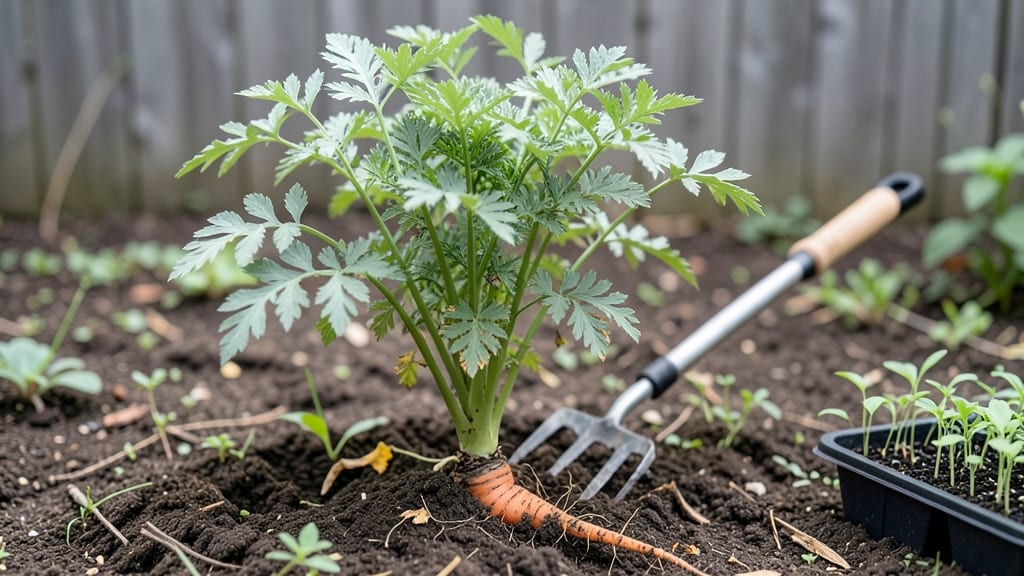
Deep root gardening transforms shallow soil into a deep, nutrient-rich zone where plants can thrive like never before. 🌱 I learned the hard way that most gardeners only scratch the surface—literally—when planting, leaving roots struggling for water and nutrients.
The difference between a struggling tomato plant and one loaded with fruit often comes down to how deep the roots can grow.
This method isn’t just about digging deeper—it’s about creating a living ecosystem where roots can spread freely. You’ll need basic tools like a broadfork, compost, and organic matter to break up compacted soil without disturbing the life already there.
The payoff? Plants that handle drought like pros, stand strong in storms, and produce harvests that put store-bought to shame.
📚 In This Guide
- What you need
- Instructions
- Tips and common mistakes
- Wrapping up and next steps
What you need
- ● Garden fork or broadfork – A sturdy, 12-18" wide fork (e.g., blank">Fiskars Soil Rejuvenator) for aerating soil without disturbing roots.
- ● Compost or well-aged manure – 2–3 cubic feet per 100 sq ft of garden bed (e.g., cow, horse, or chicken manure).
- ● Organic matter amendments: Leaf mold or composted hardwood mulch (1–2 inches layer)
- ● Worm castings (1 cup per 5 sq ft for microbial boost)
- ○ Mineral supplements (optional but helpful): Rock phosphate (1 lb per 100 sq ft for phosphorus)
- ● Greensand or kelp meal (½ lb per 100 sq ft for potassium)
- ● Test your soil – Use a blank">DIY pH test kit (aim for 6.0–7.0). Adjust with lime (to raise pH) or sulfur (to lower) if needed.
- ● Clear the bed – Remove weeds, rocks, and debris. Pro tip: Solarize soil in summer with black plastic for 4–6 weeks to kill pests! 🔥
- ● Water access – A soaker hose or drip irrigation system (deep watering = happy roots!).
- ● Biochar (5–10 lbs per 100 sq ft) – Boosts soil structure and nutrient retention.
- ● Mycorrhizal fungi (1–2 lbs per 100 sq ft) – Helps roots absorb nutrients better.
- ● Cover crops (e.g., clover or winter rye) – Plant before deep rooting to add nitrogen.
Step-by-Step guide to deep root gardening for stronger plants
Here’s how I build deep, fertile soil that gives plants the room to grow roots—and harvests—like never before.
🌱 Step 1: Loosen Soil to a Depth of 12 Inches
Start by removing weeds and debris from your planting area. Use a broadfork or digging fork to loosen the soil without turning it over—this preserves the natural soil structure. Work the fork in 4-inch vertical sections, prying downward to break up compacted layers. Stop when the soil feels crumbly and airy down to 12 inches deep.
If your soil is extremely hard, add 2-3 inches of compost to the surface and work it in lightly with your hands. The goal is to create a loose, porous layer where roots can easily penetrate. Avoid heavy tilling—it disrupts soil life and creates a hardpan below.
🌿 Step 2: Add Organic Matter for Long-Term Fertility
Spread a 2-inch layer of compost over the loosened soil. For deeper fertility, mix in 1-2 inches of aged manure or worm castings into the top 6 inches of soil. This feeds microbes and improves water retention. I like to sprinkle a handful of mycorrhizal fungi over the area—it helps roots access nutrients more efficiently.
Work the organic matter into the top 4-6 inches of soil using a garden fork or your hands. Avoid over-mixing; just break up the soil enough to blend the amendments. Water the area lightly to help the compost settle and activate soil microbes. You’ll see worms and beneficial insects moving in within a week—that’s a good sign!
☀️ Step 3: Plant Deep-Rooted Crops Strategically
Choose plants known for deep roots, like tomatoes, carrots, or asparagus. For tomatoes, bury the stem up to the first set of leaves—this encourages stronger root growth. For carrots, sow seeds ½ inch deep in loose, clump-free soil. If transplanting, dig holes twice as wide as the root ball and place plants so the top of the root ball sits 1 inch below soil level.
Space plants according to their mature size—18-24 inches apart for tomatoes, 2-3 inches apart for carrots. Water deeply after planting to help roots establish. Mulch with 2-3 inches of straw or wood chips to retain moisture and prevent soil compaction. Avoid walking on the beds once planted.
💧 Step 4: Water Deeply and Infrequently
Deep root systems thrive with 1-2 inches of water per week, delivered in deep soakings rather than frequent light waterings. Use a soaker hose or drip irrigation to water at the base of plants, encouraging roots to grow downward. Water in the early morning to reduce evaporation and fungal risks.
Check soil moisture by sticking your finger 2-3 inches deep. If it feels dry, it’s time to water. Over time, your plants will develop deeper roots in search of moisture, leading to stronger stems and bigger harvests. Avoid overhead watering—it can compact soil and spread disease.
✂️ Step 5: Maintain Soil Health Year-Round
After harvest, remove spent plants and add another 1-2 inches of compost to the soil. In fall, top-dress beds with 2-3 inches of organic mulch to protect soil structure over winter. I also rotate crops annually to prevent nutrient depletion and pest buildup.
Test soil fertility every 2-3 years using a simple home kit. If needed, amend with additional compost or a balanced organic fertilizer. Healthy soil means healthy roots—and that means bigger, more resilient plants. With consistent care, your deep root garden will reward you for years.
Tips & tricks for perfect deep root gardening
Here's what I've learned from years of building soil that actually supports deep, thriving roots—no more guessing games.
Soil Loosening Secret: In Step 1, when you're working that broadfork to 12 inches, focus on creating vertical cracks rather than turning the soil. Think of it like fluffing a pillow—you want to create air pockets, not compact it further. I've found that working in those 4-inch sections prevents creating a hardpan at the bottom that roots can't penetrate.
Compost Layer Strategy: Don't just spread that 2-inch compost layer—work it into the top 4-6 inches as mentioned. The key is to blend it just enough so it becomes part of the soil structure, not a separate layer. I like to think of it as "marrying" the compost to the soil rather than just laying it on top. This creates a sponge-like texture that holds moisture while allowing roots to explore.
Planting Depth Hack: For carrots in Step 3, that ½-inch depth might seem shallow, but it's perfect for encouraging long, straight roots. I've seen gardeners plant too deep, and the carrots grow short and stumpy. If your soil is particularly loose, you can even press seeds just slightly deeper—roots will find their way down. The same goes for tomatoes: burying up to the first leaves gives them a strong anchor.
Watering Wisdom: That 1-2 inches per week guideline in Step 4 is your target, but timing matters just as much. I've learned the hard way that watering in the early morning isn't just about evaporation—it gives plants time to absorb moisture before the heat of the day. And when you check that 2-3 inch depth with your finger, imagine you're checking the soil's "thirst level"—if it feels like a dry sponge, it's time to water.
Pro Tips for Deep Root Gardening
- Here's what I've learned from years of building soil that actually supports deep, thriving roots—no more guessing games.
- Soil Loosening Secret: In Step 1, when you're working that broadfork to 12 inches, focus on creating vertical cracks rather than turning the soil.
- Compost Layer Strategy: Don't just spread that 2-inch compost layer—work it into the top 4-6 inches as mentioned.
Frequently asked questions
Got questions about deep root gardening?
You’re not alone! Whether you’re a beginner or a seasoned gardener looking to refine your technique, these answers will help you grow like a pro.
What’s the best time of year to start deep root gardening?
For most plants, spring or early fall is ideal—when soil is workable but not frozen or waterlogged. In warmer climates, you can dig deeper roots year-round, but avoid extreme heat or drought. Pro tip: Test soil moisture before digging to ensure it’s neither too dry nor soggy!
How deep should I dig for deep root gardening?
Aim for 12–18 inches deep, but adjust based on your plant type. Root crops like carrots or beets need at least 12 inches, while deeper-rooted veggies (like asparagus) may require 18–24 inches. Loosen soil gently to avoid damaging roots—think aerate, don’t excavate!
Can I use deep root gardening for container plants?
Choose large, deep containers (at least 12–18 inches deep) with drainage holes. Fill with a mix of compost, perlite, and organic matter to mimic deep soil. Bonus: Dwarf varieties thrive in containers, so pick compact plants like radishes or lettuce for smaller spaces!
What if my plants aren’t growing deeper roots?
Check these fixes:
- Soil compaction: Aerate with a fork or add organic matter.
- Poor drainage: Amend clay soil with sand or compost.
- Nutrient deficiency: Use a balanced fertilizer or compost tea.
- Overcrowding: Thin seedlings for better root access.
Is deep root gardening more expensive than traditional methods?
Not necessarily! While deep digging requires tools (like a digging fork or broadfork), organic amendments (compost, worm castings) are cost-effective in the long run. Start small—focus on high-value crops like tomatoes or potatoes to see big rewards with minimal extra cost.
Wrapping up and next steps
Deep root gardening isn’t just about digging deeper—it’s about transforming your soil into a thriving ecosystem that rewards you with lush plants and abundant harvests. 🌱 By mastering techniques like biochar integration, compost layering, and strategic mulching, you’re not only boosting root growth but also building long-term soil health.
Whether you’re a beginner or a seasoned gardener, these secrets will help you grow stronger, more resilient plants with less effort.
Ready to see the magic happen? Start small—try deep root gardening in one bed or container this season—and watch as your plants thrive like never before! 🌿