Advice
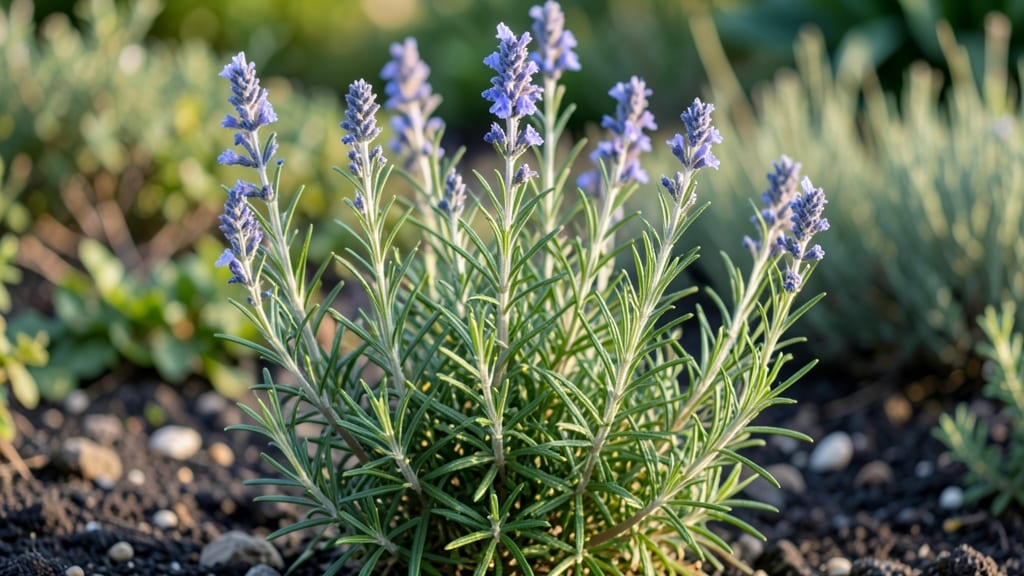
Here are rosemary gardening tips that’ll turn your kitchen windowsill into a fragrant herb factory—because why pay $4 for a sprig when this Mediterranean herb thrives with almost no effort? 🌿 roots: bright light, fast-draining soil, and water only when the soil is bone-dry.
The secret weapon? A 5-gallon pot with drainage holes and a mix of potting soil and perlite—rosemary hates soggy feet. Prune it back by a third every spring to encourage bushier growth, and you’ll harvest fresh sprigs for months.
Even my black thumb keeps this plant alive; it’s the ultimate low-maintenance herb.
📚 In This Guide
- What you need
- Instructions
- Tips and common mistakes
- Wrapping up and next steps
What you need
- ● Rosemary plants: 1-3 nursery-grown plants (choose Rosmarinus officinalis for culinary use or Rosmarinus prostratus for ground cover).
- ● Well-draining soil: 5-10 lbs of a mix of potting soil (for containers) or sandy loam (for in-ground planting). Add perlite or coarse sand (1 part perlite to 3 parts soil) to improve drainage.
- ○ Containers (optional but recommended for climates with cold winters): 2-4 pots (12–18 inches in diameter) with drainage holes.
- ● Terracotta pots (best for heat retention) or fabric grow bags (for flexibility).
- ● Fertilizer: A balanced, slow-release fertilizer (10-10-10 or 5-10-10) or an organic option like composted manure (1 cup per plant, applied sparingly).
- ● Pruning shears: Sharp, clean shears (sterilize with rubbing alcohol between cuts).
- ● Mulch: 2–3 inches of gravel, pebbles, or straw to retain moisture and regulate soil temperature.
- ● Watering can or hose with a gentle spray nozzle.
- ● A sunlight meter or app to track light exposure (rosemary thrives in 6+ hours of direct sun).
- ● Drip irrigation system (for consistent moisture without overwatering).
- ● Garden gloves (to protect hands from prickly stems).
- ● Compost tea or seaweed fertilizer (for a natural nutrient boost).
- ● Label tags (to track varieties if growing multiple types).
How to grow rosemary that thrives year-round
Here's how I keep rosemary lush and productive—no matter the season.
🌱 Step 1: Choose the Right Spot and Soil
Rosemary loves full sun—at least 6-8 hours daily. I plant mine in south-facing beds where it gets morning light and afternoon warmth. The soil must drain like a sieve—rosemary rots in soggy conditions. Amend heavy soil with sand or perlite until it feels gritty when squeezed. A slightly alkaline pH (around 7.0) works best, but it’s forgiving if your soil runs neutral.
Here’s the thing—rosemary’s roots spread wide but shallow. Dig a hole twice as wide as the root ball but only as deep. This encourages outward growth instead of forcing the plant to struggle upward. Water deeply after planting to settle the soil, then let it dry out completely before watering again. You’ll know it’s right when the top inch feels dry to the touch.
☀️ Step 2: Water Deeply but Infrequently
Overwatering is rosemary’s #1 enemy. I water mine once a week in summer and even less in winter, only when the soil feels bone-dry 2-3 inches down. The plant’s silvery leaves store moisture, so it’s built for drought. When you water, soak the root zone thoroughly—light sprinkles just encourage shallow roots.
Real talk: If the leaves turn yellow or wilt, you’re likely overwatering. Let the soil dry out completely before watering again. In containers, rosemary needs even less water—check the soil daily in summer. If it’s still damp after a week, hold off. The goal is to mimic its Mediterranean habitat where rain is scarce but intense.
✂️ Step 3: Prune for Bushiness and Harvest Smartly
Pruning twice a year keeps rosemary compact and encourages new growth. In early spring, trim back one-third of the plant’s length just above a leaf node. This prevents legginess and woody stems. In late summer, give it another light trim to shape it and remove any dead or yellowing branches. Always use clean, sharp shears to avoid tearing the stems.
Harvest stems in the morning after the dew has dried. Cut just above a leaf joint to encourage branching. You’ll see new shoots form within 2-3 weeks—that’s your reward for pruning correctly. Never harvest more than one-third of the plant at once, or it won’t recover. I like to harvest small sprigs regularly instead of taking large cuts, which keeps the plant happy and productive year-round.
🪴 Step 4: Protect in Winter (If You Live in Cold Climates)
Rosemary is evergreen but struggles in freezing temps below 15°F. If you’re in a cold zone, mulch heavily with 2-3 inches of straw or pine needles around the base after the first frost. This insulates the roots and prevents heaving. I also wrap young plants in burlap or use a frost blanket for extra protection.
In containers, move rosemary to a sheltered spot like a garage or under an eave where temps stay above freezing. Water sparingly in winter—just enough to keep the soil from drying out completely. If you’re unsure, check the soil with your finger. It should feel dry but not crispy. With this care, your rosemary will bounce back in spring ready for another growing season.
Tips & tricks for year-round rosemary success
Between us, rosemary thrives when you mimic its Mediterranean roots—here's how to keep yours lush all season.
Sunlight Secret: That 6-8 hours of daily sun is non-negotiable, but here's the thing: morning sun is gentler than afternoon heat. If your rosemary gets intense afternoon rays, consider a light shade cloth during peak hours (12-3pm) to prevent leaf scorch. I've seen plants crisp up when left unprotected in summer afternoons—don't make my mistake!
Soil Test Trick: Before planting, squeeze a handful of your soil—if it forms a tight ball, you need more sand or perlite. Rosemary's roots need that gritty texture to breathe. I like to mix in a 25% perlite/sand ratio to heavy garden soil. For containers, use a cactus/succulent mix—it drains perfectly and prevents root rot.
Watering Wisdom: The once-a-week summer watering rule works best when you check soil moisture properly. Stick your finger 2-3 inches down—if it feels damp, wait. I've ruined plants by assuming "once a week" meant every 7 days regardless of conditions. In containers, the soil dries out faster, so check daily during heatwaves. The key is bone-dry soil before watering again.
Winter Survival Hack: That 15°F threshold is critical—below that, rosemary's leaves will blacken. For container plants, I've had success using insulated plant saucers (available at garden centers) that keep roots warmer. If you're in a zone with harsh winters, consider growing rosemary in containers you can move indoors during freezes. A sunny windowsill works great for winter survival.
Pro Tips for Rosemary Gardening Tips
- Between us, rosemary thrives when you mimic its Mediterranean roots—here's how to keep yours lush all season.
- Sunlight Secret: That 6-8 hours of daily sun is non-negotiable, but here's the thing: morning sun is gentler than afternoon heat.
- Soil Test Trick: Before planting, squeeze a handful of your soil—if it forms a tight ball, you need more sand or perlite.
Frequently asked questions
Got rosemary questions? You’re not alone—this fragrant herb can be tricky for newbies! Here are answers to the most common rosemary gardening tips FAQs to keep your plants happy and productive.
Can rosemary survive winter outdoors?
Rosemary is semi-evergreen and can handle light frosts (down to 20°F/-7°C), but heavy snow or prolonged cold may kill it. In colder zones (USDA 7 and below), plant it in a sheltered spot, mulch heavily, or grow it in containers to move indoors. Pro tip: Prune back woody stems in early spring to encourage fresh growth!
How long does it take for rosemary to grow from seed?
Patience is key! Rosemary seeds can take 4–6 weeks to germinate, and full maturity (ready for harvest) may take 6–12 months. For faster results, opt for nursery starts—they’ll produce usable sprigs in 3–4 months. Bonus: Pinch back young plants to encourage bushier growth!
Why is my rosemary turning brown and crispy?
Brown, dry leaves usually mean overwatering or underwatering—rosemary hates soggy soil! Check drainage: it thrives in well-draining soil and 60–70% humidity. If roots are mushy, repot in a mix with perlite or sand. Fix: Water deeply but infrequently (once a week in summer, less in winter).
Can I grow rosemary indoors year-round?
Place it near a south-facing window (6+ hours of sunlight daily) or under grow lights. Use a terracotta pot (prevents root rot) and water when the top inch of soil is dry. Watch out: Indoor rosemary may grow leggy—rotate the pot weekly for even light exposure!
What can I substitute for rosemary if I don’t have any?
In a pinch, try these flavor swaps (though nothing beats the real deal!):
- Thyme or oregano (for earthy notes in soups/stews)
- Marjoram or basil (milder, for salads/dressings)
- Bay leaves (for slow-cooked dishes—remove after cooking!)
- Lemon zest + sage (for a citrusy, piney vibe)
Wrapping up and next steps
Growing rosemary is a rewarding journey that brings fragrant beauty and culinary magic to your garden! 🌿 With the right location, soil, and care, you’ll enjoy a thriving plant year after year.
Whether you’re a beginner or a seasoned gardener, these rosemary gardening tips will help you cultivate a lush, productive herb that’s perfect for cooking, healing, and decorating.
Now that you’re armed with knowledge, it’s time to get your hands dirty! Start by planting your rosemary today—your kitchen (and senses) will thank you. Happy gardening! 🌱