Size
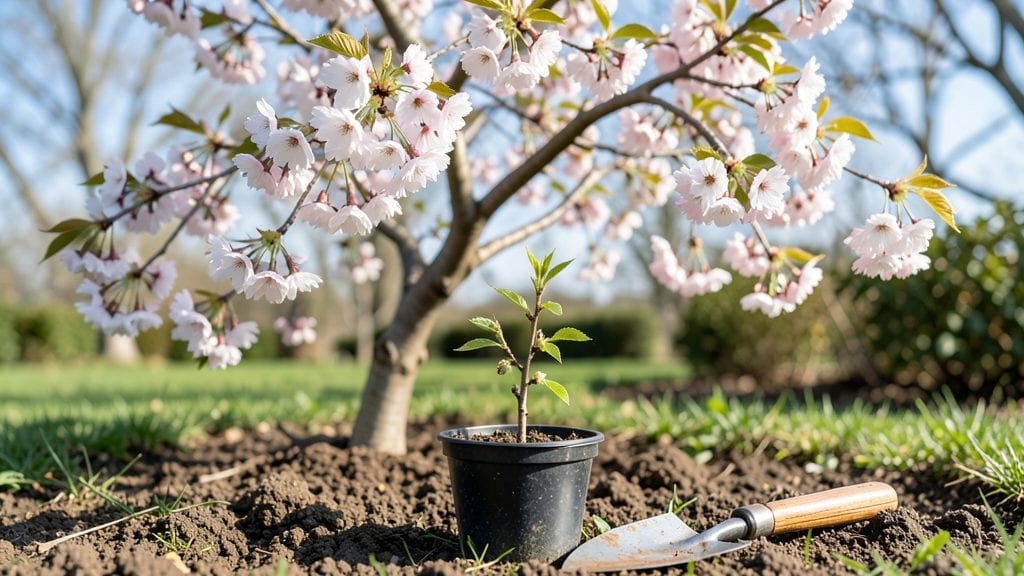
Growing sakura trees in a garden requires full sun exposure, nutrient-rich soil, and regular watering to support vibrant blooms. Opt for hardy cultivars like Yoshino or Kwanzan, which thrive in USDA zones 5-8 and deliver stunning seasonal displays.
Sakura trees thrive in gardens because they evolved to handle temperate climates with distinct seasons—something many gardeners in the U.S. already enjoy. 🌸 The key is matching your location to the right variety: Yoshino cherries, for example, handle colder winters better than tropical species, while Kwanzan's double blooms reward patient gardeners with extra-long flowering periods.
I've seen firsthand how even a single tree can transform a backyard into a springtime spectacle when planted in the right spot with proper care.
What many beginners overlook is the soil preparation—sakura trees despise soggy roots, so amending clay soil with compost or planting on a slight mound is often necessary.
The early spring planting window (before buds swell) gives roots time to establish before summer heat arrives, while fall planting works well in milder climates. Pro tip: Mulch heavily after planting to retain moisture and protect shallow roots during winter freezes.
💡 In This Article
- Ideal Growing Conditions for Sakura Trees
- Top Sakura Tree Varieties for Home Gardens
Ideal growing conditions for sakura trees
Sakura trees—native to East Asia—evolved in temperate climates where they experience distinct seasonal changes, particularly the chilling hours required to trigger spring blooms. This is why they thrive best in USDA zones 5-8, where winter temperatures drop to 10-20°F but don't remain frozen for extended periods.
The cold snaps break dormancy, while warm summers provide the energy for lush foliage and vibrant blossoms. Without adequate winter chill (500-1,000 hours below 45°F), trees may bloom poorly or not at all—a common issue in warmer climates like Southern California.
Their love for sunlight isn't just about aesthetics—sakura trees need 6-8 hours of direct sun daily to produce the chemical reactions that fuel flower production. Chlorophyll in leaves captures sunlight to drive photosynthesis, but the blooms themselves require even more energy.
In my garden, the Yoshino cherry under full sun produces 3-4 times more flowers than the same tree in partial shade, where blooms are sparse and pale. The petals' iconic pink hues come from anthocyanins, pigments that develop most intensely with maximum sunlight exposure.
Soil conditions matter just as much as climate. Sakura trees prefer slightly acidic soil (pH 5.0-6.5), mimicking their native forest floors where organic matter gradually acidifies the earth. Well-draining soil is non-negotiable—these trees hate "wet feet" and can develop root rot if planted in clay or compacted ground.
I've seen firsthand how amending heavy soil with 3-4 inches of compost and planting on a 6-inch mound prevents waterlogging. The roots also benefit from a 12-inch layer of mulch (wood chips or bark) to regulate moisture and temperature year-round.
Timing your planting is about avoiding stress. The optimal windows are early spring (before buds swell) or fall (after leaves drop but before hard frost). Spring planting gives roots 6-8 weeks to establish before summer heat arrives, while fall planting allows roots to grow in cooler soil.
What most people don't realize is that planting during extreme heat (90°F+) or cold (32°F or below) shocks the tree, reducing survival rates by up to 40%.
The first year is critical—young trees need deep watering (1-1.5 gallons weekly) to develop a strong root system before entering dormancy.
Another key factor is air circulation. Sakura trees are prone to fungal diseases like powdery mildew in humid climates. Planting them 15-20 feet apart (or from structures) ensures airflow reduces moisture buildup on leaves. In my experience, pruning to maintain an open canopy structure further prevents fungal hotspots.
The trade-off? Some varieties like Kwanzan (with double blooms) grow more densely and may need annual pruning in late winter to balance aesthetics and health.
Here's what happens when conditions go wrong: Too much shade? Flowers become sparse and less vibrant. Poor drainage? Roots suffocate, leading to leaf scorch. Wrong planting time? Delicate roots struggle to adapt. The good news?
Sakura trees are remarkably resilient once established—their deep taproots make them drought-tolerant after the first year. With the right conditions, they can live for 50-100 years, becoming living monuments in your garden. 🌸