
Companion Plants
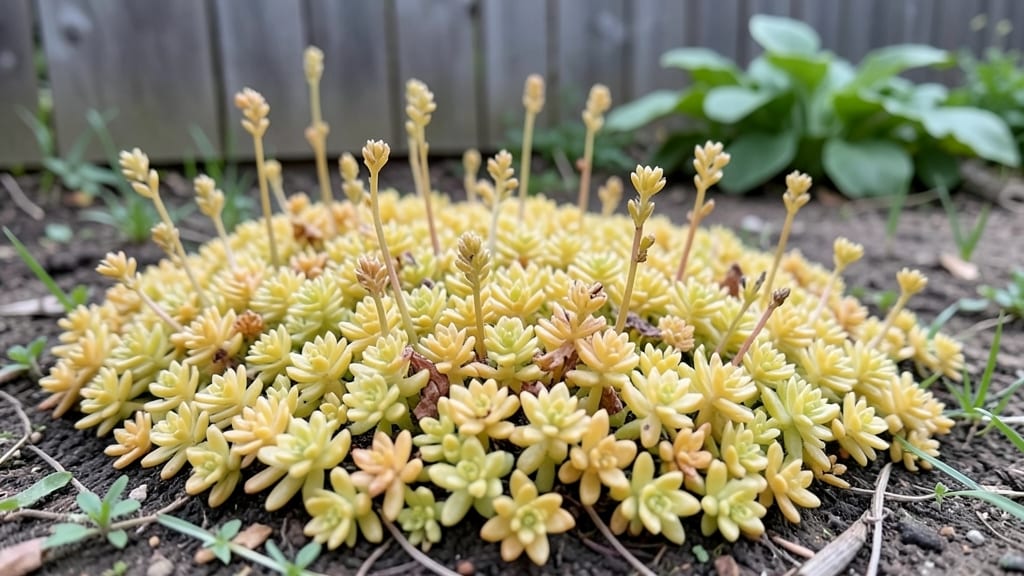
Finding plants that thrive in gravel gardens without demanding constant care changed my approach to drought-prone landscapes forever. ✨ The right selection turns a seemingly harsh environment into a striking, textured display that stays beautiful with almost no effort.
My gravel garden now features plants that handle poor soil and hot sun better than anything I tried before—no more wilting annuals or thirsty perennials.
You’ll want a mix of evergreen shrubs, ornamental grasses, and succulents to create depth and movement. Plants like lavender, sedum, and Russian sage thrive in gravel because they love well-drained soil and minimal moisture.
These varieties also bring color and fragrance, proving that low-maintenance doesn’t mean boring. The key is spacing them 12–24 inches apart to let the gravel breathe while keeping the look intentional.
By the end of summer, your gravel garden will look like it’s been there for years—not just a few weeks. The contrast of silvery foliage against dark gravel creates a modern, Zen-inspired space that requires only occasional weeding and no fertilizing.
Plus, the plants you choose will attract pollinators while keeping the area looking polished and intentional.
This style works for modern courtyards, Mediterranean-inspired yards, or even small urban spaces. The gravel itself becomes part of the design, not just a filler—pair it with larger rocks or sleek hardscaping for a cohesive look. Let’s bring that effortless elegance to your outdoor space!
📚 In This Guide
- What you need
- Instructions
- Tips and common mistakes
- Wrapping up and next steps
What you need
- ● Gravel: 1–2 tons of decorative gravel (e.g., pea gravel, crushed stone, or lava rock), depending on garden size. Aim for 3–4 inches deep for drainage and weed suppression.
- ● Size: ¼" to ½" diameter (smaller for finer texture, larger for bold contrast).
- ● Soil: Topsoil or garden soil mix (2–3 cubic yards for a 10’x10’ area). Opt for well-draining, sandy or loamy soil to prevent waterlogging.
- ● Companion Plants: Select drought-tolerant, low-maintenance varieties like: Sedum (stonecrop)
- ● Lavender
- ● Russian sage
- ● Ornamental grasses (e.g., fountain grass, blue fescue)
- ● Succulents (e.g., hens-and-chicks, sempervivum)
- ○ Mulch (optional): 2–3 bags of organic mulch (e.g., shredded bark or straw) to retain moisture and suppress weeds around plants.
- ● Basic: Shovel or spade
- ● Rake (for leveling gravel)
- ● Wheelbarrow (for hauling materials)
- ● Garden gloves
- ● Measuring tape
- ○ Optional (but helpful): Edging tool (to define garden borders)
- ● Hose with nozzle (for watering)
- ● Knee pads (for comfort during planting)
- ● String line (to mark straight edges for gravel)
- ● ✅ Location: Choose a spot with full sun to partial shade (most gravel garden plants thrive in 6+ hours of sunlight).
- ● ✅ Drainage: Ensure the area has good drainage (avoid low spots where water pools).
- ○ ✅ Soil Test (optional): Check pH levels (most gravel plants prefer 6.0–7.5) to avoid nutrient deficiencies.
- ● ✅ Permissions: Confirm you can modify the space (e.g., no HOA restrictions on gravel depth or plant types).
Instructions for designing a gravel garden with year-round texture
Here's how to create a striking, low-maintenance gravel garden that thrives with minimal effort.
🌱 Step 1: Select the Right Plants for Gravel Conditions
Choose drought-tolerant perennials that thrive in well-draining gravel. I rely on sedum (like 'Dragon's Blood'), lavender, sempervivum (hens-and-chicks), and orchard grass for their ability to handle dry, rocky soil. These plants establish deep root systems that access moisture efficiently, making them perfect for gravel gardens.
Space plants 12-18 inches apart to allow for growth while maintaining the open, airy look of a gravel garden. Group plants with similar water needs together—this ensures no plant gets overlooked during irrigation. I like to create visual contrast by pairing succulents with fine-textured foliage plants like lamium or heuchera.
🪴 Step 2: Prepare the Base Layer for Optimal Drainage
Start by removing all weeds and grass from the planting area. Use a landscape fabric to suppress weeds while allowing water to penetrate. Cut the fabric to fit the space and secure it with landscape staples, leaving a 2-inch border around the edges to prevent erosion.
Spread a 3-4 inch layer of coarse gravel (like decomposed granite or pea gravel) over the fabric. This layer ensures proper drainage and prevents soil compaction. For larger areas, rent a plate compactor to settle the gravel evenly—this creates a stable base that won't shift with seasonal changes.
☀️ Step 3: Plant and Mulch with Gravel for Long-Term Care
Dig holes twice as wide as the root ball but only as deep as the container. Gently remove plants from their pots and place them in the holes, ensuring the top of the root ball sits level with the surrounding gravel. Backfill with native soil, pressing lightly to eliminate air pockets.
After planting, top-dress with a 2-3 inch layer of gravel, leaving a 1-inch gap around each plant's base to prevent rot. Use a rake to spread the gravel evenly, creating a smooth, uniform surface. This layer not only suppresses weeds but also insulates roots during temperature fluctuations.
💧 Step 4: Establish a Watering Routine for Low-Maintenance Success
Water deeply once a week during the first growing season to help roots establish. After the first year, most gravel garden plants require watering only during prolonged dry spells—this is their beauty. I use a soaker hose buried slightly under the gravel to deliver moisture directly to the root zone without disturbing the surface.
Watch for wilting leaves or dry, crispy foliage as signs that plants need water. Once established, these plants store moisture in their leaves and stems, so overwatering is far more dangerous than underwatering. Apply a mulch of fine gravel around the base of each plant annually to maintain the polished look and improve moisture retention.
✂️ Step 5: Prune and Maintain for Seasonal Interest
Prune back dead or leggy growth in early spring to encourage fresh, vibrant foliage. For orchard grass, I shear it to 4-6 inches in late winter to promote new growth. Remove spent flowers from perennials like lavender after blooming to redirect energy into root development for next season.
Top-dress with fresh gravel every 2-3 years to refresh the look and prevent weeds from infiltrating. This simple step keeps your gravel garden looking crisp and intentional. In fall, add a light layer of compost around the base of plants to nourish roots without smothering them in soil.
Tips & tricks for perfect gravel garden design
Creating a stunning gravel garden isn't just about throwing rocks on plants—it's about strategic layering that keeps your space thriving year-round with minimal fuss. Here's what I've learned after years of perfecting this low-maintenance approach.
Plant Selection Strategy: The 12-18 inch spacing in Step 1 isn't arbitrary—it accounts for the mature width of these drought-tolerant plants while leaving room for the gravel's signature airy texture. I've found that pairing sedum with heuchera creates the perfect contrast: the succulent's plump leaves against the heuchera's delicate foliage. For maximum impact, consider adding orchard grass as a vertical accent—its arching forms add movement to the otherwise static gravel surface.
Drainage Layer Technique: That 3-4 inch base layer in Step 2 is non-negotiable for preventing soil compaction. I've seen many gardeners skip the landscape fabric, only to battle weeds for years afterward. Pro tip: Use a heavy-duty fabric (at least 3mm thick) to prevent weeds from poking through while still allowing water penetration. For larger areas, renting a plate compactor saves you from uneven settling that can create low spots where water pools.
Gravel Mulching Secrets: The 1-inch gap around plant bases in Step 3 is crucial—it prevents rot by allowing air circulation while still suppressing weeds. I've learned to use two types of gravel: coarse (3/4 inch) for the base layer and finer (1/4 inch) for the top mulch. This creates visual depth while maintaining the polished look. For that final rake job, use a bow rake with wide tines to avoid disturbing the soil beneath.
Watering Wisdom: The once-weekly watering in Step 4 is perfect for establishing roots, but here's the catch: use the "finger test" method. Stick your finger 2 inches into the soil—if it's dry, water; if it's moist, wait. Overwatering is the #1 killer of gravel gardens because these plants have adapted to store moisture in their leaves and stems. A soaker hose buried just under the gravel surface delivers water exactly where the roots need it without creating puddles.
Pro Tips for Gravel Garden Plants
- Creating a stunning gravel garden isn't just about throwing rocks on plants—it's about strategic layering that keeps your space thriving year-round with minimal fuss.
- Plant Selection Strategy: The 12-18 inch spacing in Step 1 isn't arbitrary—it accounts for the mature width of these drought-tolerant plants while leaving room for the gravel's signature airy texture.
- Drainage Layer Technique: That 3-4 inch base layer in Step 2 is non-negotiable for preventing soil compaction.
Frequently asked questions
Got questions about creating a stunning gravel garden? You’re not alone! Here are answers to the most common queries to help you build a beautiful, low-maintenance space with confidence.
What are the best low-maintenance plants for a gravel garden?
Opt for drought-tolerant, hardy perennials like sedum, lavender, yarrow, and Russian sage. Succulents (e.g., hens-and-chicks) and ornamental grasses (like maiden grass) thrive in gravel with minimal water. Avoid moisture-loving plants—they’ll struggle in this dry, well-drained environment!
When is the best time to plant in a gravel garden?
Plant in early spring (after the last frost) or early fall for ideal results. These seasons give roots time to establish before extreme heat or cold. Avoid planting in summer—intense sun can stress young plants. Mulch lightly with gravel to retain moisture during the first few weeks.
How often should I water gravel garden plants?
Water deeply but infrequently—aim for once every 1-2 weeks (adjust for climate). Gravel drains quickly, so focus on soaking the root zone. Newly planted specimens may need weekly watering until established. Morning watering reduces evaporation and fungal risks.
Can I use alternatives to gravel, like pebbles or decomposed granite?
Pebbles (smooth or polished) add a polished look, while decomposed granite (DG) improves drainage and blends into natural landscapes. Just ensure your chosen material is sharp-edged (like gravel) to discourage weeds. Avoid rounded river rocks—they trap moisture and promote weed growth.
How do I keep pests and weeds out of my gravel garden?
Weeds hate gravel! Use landscape fabric under the top layer to block light, or apply a pre-emergent herbicide in early spring. For pests, encourage beneficial insects (like ladybugs) and avoid overwatering. If slugs or snails appear, use beer traps or diatomaceous earth—both are pet-safe!
Will gravel gardens work in cold climates?
Yes! Gravel gardens thrive in cold zones if you choose hardy plants (e.g., catmint, ice plant, wintergreen). Mulch with 3–4 inches of straw or leaves in fall to protect roots. Elevate containers slightly to prevent frost heave, and group plants for wind protection.
Wrapping up and next steps
Creating a gravel garden is all about embracing simplicity and style—where every plant plays a role in crafting a textured, low-maintenance landscape. From drought-tolerant succulents to ornamental grasses, these companions thrive together while demanding minimal effort.
Whether you’re a seasoned gardener or just starting out, the key is to choose wisely, layer thoughtfully, and let nature do the rest!
Ready to transform your space? Start small: pick 2-3 plants from this guide, sketch a simple layout, and dive in! 🌱 Before you know it, you’ll have a stunning, year-round gravel garden that’s as easy to care for as it is to admire.