Shrubs
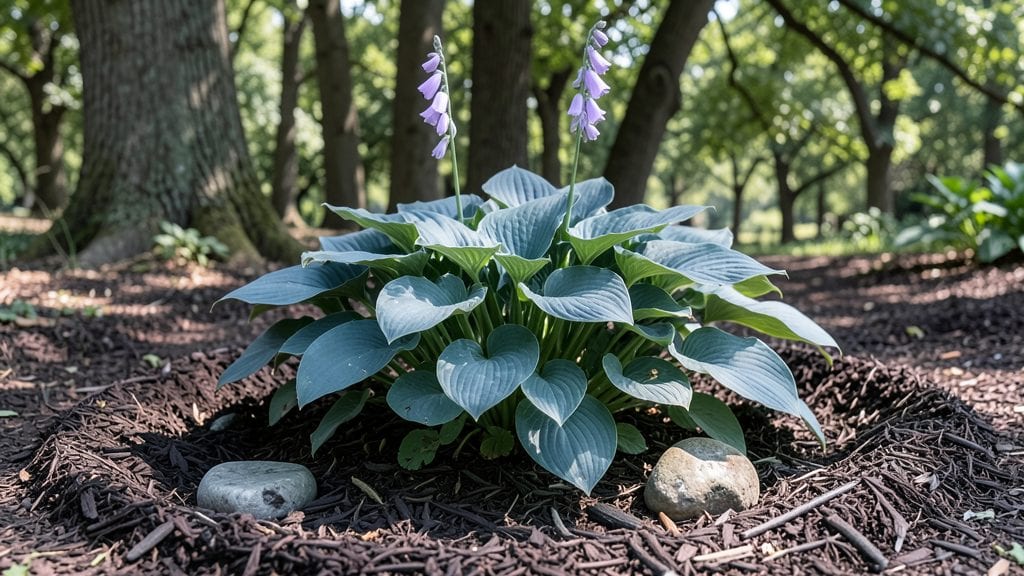
These pictures of shade gardens prove that low-light spots can bloom just as vibrantly—my favorite shade spot now thrives with color from spring to fall. The key is mixing evergreens for structure, blooming perennials for seasonal pops, and fragrant foliage that fills the air when you brush past.
I designed mine around a 10-foot by 12-foot area under mature maples, but the principles work in smaller patches too.
Start with three layers: tall plants like astilbes or ferns at the back, mid-height bloomers such as hostas or hydrangeas in the middle, and ground covers like lamium or ajuga to spill over edges.
Add one fragrant standout—like sweet woodruff or lungwort—to make the space unforgettable. The best part? These plants handle 6+ hours of shade daily without fuss, and many even improve with less sun.
By late summer, your garden will hum with bees visiting hellebores and asters, while the foliage stays rich and velvety. The scent of wild ginger or foamflower lingers in the air, and the textures—from fuzzy lamb’s ears to glossy ferns—create depth even in dim corners.
You’ll end up with a garden that feels alive year-round, not just a dark, empty space.
Works in any shade condition, from dappled light to full shade, and scales from containers on a patio to a full backyard retreat. The biggest mistake? Skipping the evergreens—without them, winter looks bare. Let’s bring your shady spots to life!
📚 In This Guide
- What you need
- Instructions
- Tips and common mistakes
- Wrapping up and next steps
What you need
- ● Soil amendments: Compost (5–10 gallons) – improves drainage and fertility
- ● Peat moss or coconut coir (2–3 bags) – retains moisture in shady spots
- ● Organic mulch (pine bark, shredded leaves, or wood chips – 3–4 cubic feet) – suppresses weeds and locks in moisture
- ● Plants (choose 3–5 varieties for texture and fragrance): Shade-tolerant shrubs (e.g., Hydrangea, Pieris, or Azalea – 3–5 plants)
- ● Perennials (e.g., Hosta, Heuchera, or Lungwort – 5–7 plants)
- ● Fragrant climbers (e.g., Clematis or Star Jasmine – 1–2 vines for vertical interest)
- ● Bulbs (e.g., Snowdrops, Bleeding Heart, or Allium – 10–15 bulbs for early spring color)
- ● Tools: Garden trowel or hand shovel
- ● Pruning shears (for shaping and maintenance)
- ● Garden gloves (heavy-duty for mulching)
- ● Wheelbarrow or large bucket (for hauling soil/amendments)
- ● Watering can or hose with a gentle spray nozzle
- ● Decorative stones or edging (for garden borders)
- ● Landscape fabric (to reduce weed competition)
- ● Slow-release fertilizer (for nutrient boosts)
- ● Garden stakes or trellises (for supporting climbers)
- ● Fragrant companion plants (e.g., Lavender or Sweet Woodruff – for sensory appeal)
Instructions for designing a year-round shade garden
Creating a lush, fragrant shade garden takes thoughtful layering—here's how to build one that thrives in low light.
Assess Your Shade Conditions
First, observe your garden's shade patterns throughout the day. Note whether it's full shade (less than 3 hours of sun), partial shade (3-6 hours of sun), or dappled shade (filtered light through trees). This determines which plants will thrive. I like to check the area at midday and late afternoon—the quality of light changes dramatically.
Mark the shadiest spots with stakes or flags. These will become your backbone planting zones for shade-tolerant perennials like hostas and ferns. Areas with a few hours of morning sun can accommodate slightly more demanding plants like astilbes or heucheras. Sketch a rough layout to visualize how layers will interact.
Build the Foundation Layer
Start with evergreen ground covers like pachysandra or sweet woodruff to create a living mulch that suppresses weeds and retains moisture. These plants spread quickly and provide a lush base for taller elements. I recommend planting them 12-18 inches apart to allow room for growth while maintaining full coverage.
Next, add medium-height perennials like foamflower (Tiarella) or lungwort (Pulmonaria) in clusters of 3-5 plants. These will fill gaps as the ground covers establish. Space them 18-24 inches apart to ensure good air circulation and prevent disease. Water thoroughly after planting to settle the soil around roots.
Add Structural Accents
Introduce bold foliage plants like Japanese painted ferns or variegated hostas as focal points. These should be placed where they’ll be visible from key viewing angles. I like to group 3-5 plants of the same variety together for visual impact. Dig holes twice as wide as the root ball and the same depth to encourage root spread.
For height, incorporate ornamental grasses like Hakonechloa or Carex near the garden’s edges. These add movement and texture while thriving in shade. Plant them 18-24 inches apart and water deeply to help them establish before the first frost. Mulch around the base with 2-3 inches of shredded bark to retain moisture and regulate soil temperature.
Layer in Fragrant Blooms
Weave in fragrant flowering plants like daphne (Daphne odora) or sweet woodruff (Galium odoratum) for sensory appeal. These should be spaced 24-36 inches apart to allow airflow and prevent overcrowding. Plant them in well-draining soil—shade gardens often suffer from soggy roots, so amend with compost if your soil is heavy.
Add seasonal interest with spring bulbs like bleeding heart (Dicentra) and fall bloomers such as toad lily (Tricyrtis). Plant bulbs 6-8 inches deep in clusters of 5-7 for a natural look. Water lightly after planting to encourage root growth before dormancy.
Maintain and Refine Over Time
After the first growing season, assess which plants thrive and which struggle. Remove any that fail to establish or spread aggressively. I like to prune back dead foliage in early spring to encourage new growth and improve air circulation. Fertilize lightly with a balanced organic fertilizer in early spring and mid-summer to support blooms.
Monitor moisture levels—shade gardens often dry out slower but can still suffer from root rot. Water deeply once a week during dry spells, aiming for 1 inch of water per week. Mulch annually in late fall to protect roots during winter and suppress weeds in spring.
Tips & tricks for designing a year-round shade garden
Designing a thriving shade garden is all about strategic layering and understanding your space's unique light conditions. These key insights will help you create a lush, fragrant retreat that flourishes throughout the seasons.
Light Assessment: When evaluating your shade conditions in Step 1, pay special attention to the quality of light during midday and late afternoon. Morning sun behaves differently than afternoon light—what appears to be partial shade in the morning might become full shade by afternoon. Use a small whiteboard or app to track light patterns for a week before planting. This precision helps you place sun-loving plants like astilbes in those brief morning windows while reserving full shade areas for hostas and ferns.
Plant Grouping Strategy: The instructions mention planting in clusters of 3-5 plants, but here's the secret: odd-numbered groupings create more natural, balanced compositions. For example, plant five variegated hostas in a triangular formation rather than a straight line. This approach mimics how plants grow naturally and creates visual interest from multiple angles. When placing your bold foliage plants in Step 3, consider their mature size—group smaller varieties together and place them in front of taller plants to maintain visual balance.
Soil Preparation: Shade gardens often suffer from compacted, moisture-retentive soil. Before planting your evergreen ground covers in Step 2, amend the soil with a 2-inch layer of compost mixed into the top 6-8 inches. This improves drainage while providing essential nutrients. For areas with particularly heavy clay soil, consider adding perlite or coarse sand to create pockets of better drainage around root balls. This simple step prevents root rot that can plague shade plants.
Seasonal Layering: To create year-round interest as mentioned in Step 4, plan for each season's highlights. Underplant your spring bloomers like bleeding heart with evergreen ground covers that will fill in as the bulbs fade. For fall color, incorporate plants like Japanese anemones that bloom when many other shade plants have finished. The key is to have something in bloom or with attractive foliage every 6-8 weeks throughout the year.
Pro Tips for Pictures Shade Gardens
- Designing a thriving shade garden is all about strategic layering and understanding your space's unique light conditions.
- Light Assessment: When evaluating your shade conditions in Step 1, pay special attention to the quality of light during midday and late afternoon.
- Plant Grouping Strategy: The instructions mention planting in clusters of 3-5 plants, but here's the secret: odd-numbered groupings create more natural, balanced compositions.
Frequently asked questions
What are the best shade-tolerant plants for year-round color?
For bold, fragrant blooms, prioritize Hellebores (Lenten roses), Astilbes, Lungworts, Ferns, and Daphnes. These thrive in low light and offer seasonal interest—think early spring hellebores, summer astilbes, and winter daphne blooms. Pair them with evergreen shrubs like Pieris japonica or Boxwood for structure.
How long does it take for a shade garden to mature and look lush?
Patience pays off! Most shade perennials establish in 1–2 years, while shrubs like Abelia or Oakleaf Hydrangea may take 3–5 years to fill out. Mulch annually to retain moisture and suppress weeds, and expect fragrant blooms (e.g., from Philadelphus) to appear in 2–3 years.
Can I use containers for a shade garden?
Containers are perfect for small spaces or renters. Opt for 12–18” pots with drainage holes, and use well-draining soil mixed with compost. Top picks: Dwarf Fatsia, Japanese Painted Fern, or Sweet Box (Sarcococca) for winter fragrance. Rotate pots seasonally to maximize light exposure.
What if my shade garden looks dull after heavy rain or drought?
Shade gardens often struggle with compacted soil or root rot. Improve drainage by amending soil with perlite or sand, and water deeply 1–2 times/week (adjust for clay soil). For wilting plants, trim dead foliage and fertilize lightly with slow-release organic fertilizer. Hostas and Heucheras are forgiving choices for recovery.
How can I add fragrance without sacrificing shade?
Fragrance thrives in shade! Plant Sweet Woodruff (ground cover), Daphne odora (winter blooms), or Clematis (vining climber) near seating areas. For height, try Pieris (lilac-like flowers) or Abelia. Pro tip: Prune lightly after blooming to encourage dense, fragrant regrowth.
Still stumped? Snap a photo of your space and tag #ShadeGardenHelp—we’re happy to troubleshoot!
Wrapping up and next steps
Creating a shade garden with bold, fragrant blooms is a rewarding way to transform any dim corner into a lush, sensory-rich retreat. The key lies in layering plants that thrive in low light while offering year-round interest—from delicate ferns to vibrant hellebores and intoxicatingly fragrant roses.
Whether you’re a seasoned gardener or just starting, these picturesque shade gardens prove that beauty and tranquility can flourish even without direct sunlight.
Ready to dive in? Start small—pick one or two focal plants (like a fragrant hydrangea or a striking hosta) and build from there. Sketch a simple layout, gather your tools, and let your garden grow into a fragrant, ever-changing masterpiece. Happy gardening! 🌿✨