
Landscaping
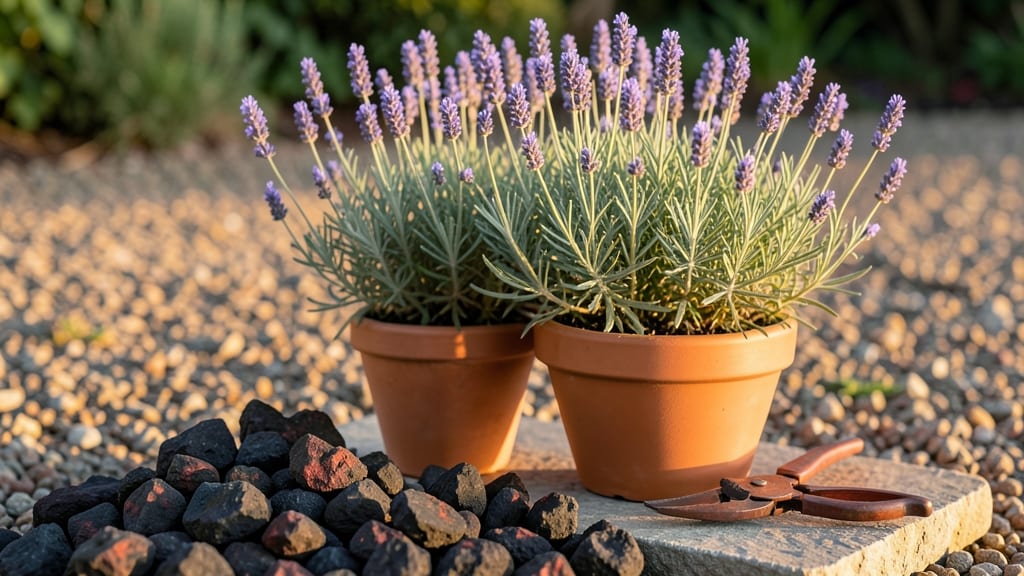
Creating a lava rock garden transforms your yard into a striking desert oasis that thrives without watering or fuss. 🌵 The sharp angles and deep blacks of lava rock create dramatic contrast with any plant, while its natural heat retention makes it perfect for arid climates or drought-resistant designs.
This isn't just about rocks—it's a complete aesthetic shift. Pair the rocks with succulents, cacti, or drought-tolerant perennials to create a low-water landscape that stays vibrant year-round. The installation takes just a weekend, and once in place, it requires zero upkeep beyond occasional weed control.
You'll end up with a garden that looks like it belongs in a high-desert landscape, not your backyard. The rocks reflect sunlight beautifully during the day and release stored heat at night, creating microclimates perfect for heat-loving plants.
Works equally well as ground cover, pathways, or focal points. Whether you're revamping a dry patch or adding texture to an existing garden, lava rock delivers instant drama with minimal effort.
📚 In This Guide
- What you need
- Instructions
- Tips and common mistakes
- Wrapping up and next steps
What you need
- ● Lava rock: 2–3 tons (1–1.5 tons per 100 sq. ft.). Choose volcanic basalt rocks (1–3 inches in diameter) for the best texture and drainage.
- ● Landscape fabric: Heavy-duty (3–5 oz. per sq. yd.) to block weeds while allowing water drainage.
- ● Gravel or crushed rock: ½–1 inch in size (1–2 inches deep) for a base layer under the lava rock.
- ● Native desert plants: Succulents (e.g., agave, yucca), cacti (e.g., prickly pear, barrel cactus), or drought-resistant shrubs like desert marigold.
- ○ Soil (optional): Fast-draining cactus/succulent mix for planting (avoid regular garden soil—it retains too much moisture!).
- ● Shovel and spade: For digging and leveling the base.
- ● Wheelbarrow or tarp: To transport lava rock and gravel efficiently.
- ● Rake: A sturdy metal rake (¼–½ inch tines) to spread rocks evenly.
- ● Garden gloves: Heavy-duty to protect your hands from sharp rocks.
- ● Measuring tape and stakes: To mark out your garden’s layout.
- ● Hose with nozzle or watering can: For initial watering (after planting, water sparingly!).
- ● Sunlight: Full sun (6+ hours daily) is ideal for lava rock gardens. Choose a south or west-facing area.
- ● Drainage: Ensure your garden slopes slightly (1–2%) to prevent water pooling.
- ● Local regulations: Check if lava rock is allowed in your area (some regions restrict its use).
- ● 💡 Pro Tip: Rent a plate compactor (or use a heavy board) to press down the gravel base for stability.
- ● 🌵 Bonus: Add solar-powered landscape lights to highlight your garden at night!
Step-by-Step instructions for designing a lava rock garden
Transform your yard into a drought-resistant desert oasis with this simple, low-maintenance approach.
🪴 Step 1: Select and Prepare Your Base Layer
Start with a 4-inch layer of landscape fabric to prevent weeds from infiltrating your design. I like to overlap the edges by 6 inches and secure them with U-shaped landscape staples—this keeps everything contained without blocking water or air flow. Next, spread 3 inches of coarse gravel over the fabric. This layer ensures proper drainage and prevents soil erosion, which is critical in desert landscapes where heavy rains can scour away finer materials.
Use a tamper or plate compactor to press the gravel firmly into place. You want it level and stable so your lava rock stays put. I test for evenness by running a 2-foot level across the surface—any dips or peaks will show up immediately. This base layer also helps regulate soil temperature, keeping roots cooler in summer and warmer in winter.
💧 Step 2: Add Drainage-Focused Soil Mix
Spread 2 inches of cactus and succulent soil mix over the gravel layer. This specialized blend drains quickly while retaining just enough moisture for desert plants. I avoid regular garden soil—it compacts and suffocates roots, leading to rot. For 4 square feet of garden area, you’ll need about 1 cubic foot of this mix, spread evenly with a rake.
Work the soil mix into the gravel layer slightly, breaking up any clumps with your hands. The goal is a loose, airy texture that mimics natural desert conditions. Press down lightly with the back of a hoe or shovel—just enough to create a stable surface for planting. This layer ensures water drains away from roots while still providing nutrients for your plants.
☀️ Step 3: Install Lava Rock for Aesthetic and Function
Arrange 1-2 inches of lava rock over the soil mix, focusing on larger pieces along pathways or borders and smaller rocks in planting areas. I start by placing the largest rocks first—this creates a natural, cascading effect and prevents smaller pieces from sinking out of sight. Use a gloved hand to position each rock carefully, leaving 1-2 inch gaps between them for drainage and plant placement.
For a 4 square foot garden, you’ll need roughly 10-12 pounds of lava rock, depending on the size of your pieces. Avoid piling rocks too tightly—they need space to allow water to percolate through. I like to create gentle slopes or mounds in sections to add visual interest while still maintaining functionality. This rock layer also helps insulate soil, protecting roots from extreme temperature swings.
🌿 Step 4: Plant Drought-Tolerant Specimens
Dig small holes just slightly larger than each plant’s root ball, using a trowel. For 4 square feet, you can comfortably fit 4-6 mature succulents or cacti, spaced 12-18 inches apart. I plant deeper than the original soil line—this stabilizes the plant and encourages stronger root growth. Gently firm the soil around each root ball with your fingers, then water lightly to settle everything in place.
Choose plants with similar water needs—grouping agaves with other succulents, for example, ensures consistent care. Avoid overcrowding; desert plants need airflow to prevent fungal issues. Water deeply once after planting, then let the soil dry completely before watering again. This mimics natural desert conditions and encourages deep root growth.
⏰ Step 5: Establish a Low-Maintenance Watering Routine
Wait 7-10 days after planting before watering again—this gives roots time to establish without encouraging rot. When you do water, use a soaker hose or drip irrigation set to deliver ½ inch of water per week during the growing season. I schedule watering for early morning to reduce evaporation and fungal risks. In winter, cut back to every 3-4 weeks unless your area experiences freezing temperatures.
Mulch with ½ inch of fine gravel around plants to further reduce moisture loss. This step is optional but highly recommended—it keeps soil temperatures stable and deters weeds. Over time, your lava rock garden will require almost no maintenance; occasional weeding and an annual check for displaced rocks are all that’s needed. The rocks themselves will stay cool enough to touch year-round, making this a perfect solution for hot climates.
Tips & tricks for perfect lava rock gardens
A few essential techniques will help you create a stunning, functional desert oasis that thrives with minimal effort.
Layering Precision: When installing your 4-inch landscape fabric in Step 1, extend it 6 inches beyond the garden edges and secure it tightly with staples. This prevents weeds from creeping in while allowing water to penetrate. I've seen many gardens fail because the fabric wasn't properly overlapped—take the extra 30 seconds to do this right. The 3 inches of coarse gravel should be spread evenly using a rake, then compacted firmly with a tamper. This creates a stable foundation that won't shift when you add lava rock later.
Soil Texture Matters: In Step 2, resist the urge to press down too hard on the 2 inches of cactus soil mix. The goal is a loose, airy texture that mimics natural desert conditions. I like to break up any clumps with my hands before pressing lightly with the back of a hoe. This prevents compaction that would suffocate roots. For 4 square feet, remember you'll need about 1 cubic foot of this specialized mix—measure carefully to avoid running short.
Rock Placement Strategy: For Step 3, start with the largest lava rocks first to create visual depth. I arrange them along pathways and borders, then fill in planting areas with smaller pieces. Leave 1-2 inch gaps between rocks—this ensures proper drainage and prevents water pooling. For a 4 square foot garden, 10-12 pounds of lava rock typically works, but adjust based on your rock sizes. Creating gentle slopes with the rocks adds natural beauty while maintaining functionality.
Planting Depth Technique: When planting in Step 4, dig holes slightly larger than the root ball but plant deeper than the original soil line. This stabilizes plants and encourages deeper root growth. For 4-6 mature succulents in 4 square feet, space them 12-18 inches apart to allow airflow. After planting, water lightly just once—this helps settle the soil without encouraging rot. The 7-10 day wait before watering again gives roots time to establish properly.
Pro Tips for Lava Rock Gardens
- A few essential techniques will help you create a stunning, functional desert oasis that thrives with minimal effort.
- Layering Precision: When installing your 4-inch landscape fabric in Step 1, extend it 6 inches beyond the garden edges and secure it tightly with staples.
- Soil Texture Matters: In Step 2, resist the urge to press down too hard on the 2 inches of cactus soil mix.
Frequently asked questions
Got questions about creating a stunning lava rock garden?
You’re not alone! Here are answers to the most common queries to help you dive in with confidence.
How long does it take for a lava rock garden to settle and look "finished"?
A lava rock garden typically settles within 1–3 months after installation, depending on soil type and local climate. The rocks may shift slightly as the ground compacts, but they’ll stabilize over time. Pro tip: Water lightly after installation to encourage faster settling!
Do lava rock gardens need irrigation, or are they truly "zero maintenance"?
While lava rock gardens reduce water needs dramatically, they’re not completely drought-proof. Native plants thrive with minimal watering (every 2–4 weeks, depending on climate), but extreme heat or drought may require occasional deep watering. Key trick: Mulch with gravel or rocks to lock in moisture!
Can I install a lava rock garden myself, or do I need a pro?
DIY is totally doable! Start with a level base, lay down landscape fabric, and arrange rocks in layers. For slopes or large areas, consider renting a skid steer. Watch out for: Uneven terrain or poor drainage—these can lead to erosion.
What are some low-maintenance plants that pair well with lava rock?
Opt for drought-tolerant natives like succulents (agave, sedum), cacti (prickly pear, barrel cactus), or hardy shrubs (yarrow, lavender). These thrive in rocky soil with little water. Bonus: Avoid high-maintenance annuals—they’ll wilt faster in this environment!
What’s the biggest mistake people make when building a lava rock garden?
The top blunder? Skipping the landscape fabric or using rocks that are too small (they’ll shift or erode). Also, avoid over-tilling the soil—lava rock gardens rely on natural drainage. Fix it: Add a thicker fabric layer or larger rocks if needed!
Wrapping up and next steps
Creating a lava rock garden is your ticket to effortless, stunning desert-inspired beauty that thrives year-round with zero maintenance! 🌵✨ With the right materials and a little planning, you can transform any space into a low-water, high-impact oasis that’s as tough as it is gorgeous.
The best part? Once installed, it’s practically hands-off—perfect for busy homeowners or those who love landscapes that just work.
Ready to dive in? Start small—pick a corner of your yard or a container garden—and let your creativity flow. Your dream desert retreat awaits!