
Watering
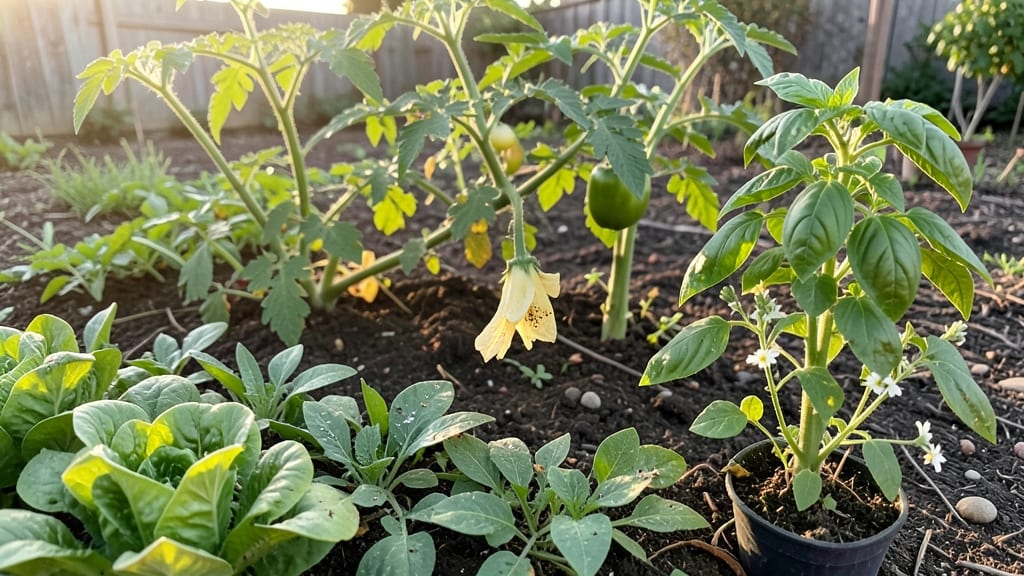
Mastering watering veg garden isn't about following a schedule—it's about reading your plants and the soil like a book. I learned the hard way when my tomatoes split from too much water one summer, while my peppers struggled through drought the next.
The difference between a thriving harvest and a struggling plot often comes down to when, how much, and how you deliver that water.
Start with the basics: morning watering is your best friend because it gives plants a full day to drink up moisture before evening evaporation. A simple soil check with your finger—about an inch deep—tells you more than any calendar ever will.
Most vegetables need 1 to 1.5 inches of water per week, but root crops like carrots need deep, infrequent watering, while leafy greens prefer consistent moisture. Drip irrigation or soaker hoses make this easier than lugging hoses around, and they cut down on waste.
You’ll know you’re nailing it when your plants stand tall with crisp leaves, not wilted or yellowing. Overwatering shows up as mushy stems or fungal spots, while underwatering means dry, papery edges on leaves.
The goal is even moisture without soggy soil—think of it like Goldilocks: not too much, not too little, but just right. Once you get the rhythm, your garden will reward you with stronger roots, better flavor, and fewer pests.
This works for any garden size, from a 4x8-foot raised bed to a full backyard plot. The key is paying attention—your plants will tell you what they need if you listen. Let’s get those roots drinking deep and your harvests thriving.
📚 In This Guide
- What you need
- Instructions
- Tips and common mistakes
- Wrapping up and next steps
What you need
- ● Watering Can (5-10 gallons) – Opt for a lightweight, durable model with a rose (spray) attachment for gentle watering.
- ● Hose with Adjustable Nozzle – A low-flow, precision nozzle (e.g., 0.5–1.5 GPM) for controlled watering.
- ○ Drip Irrigation Kit (Optional but Recommended) – Includes soaker hoses (50–100 ft) or micro-sprinklers for efficient, soil-level hydration.
- ● Watering Timer (Smart or Mechanical) – Set intervals (e.g., 10–30 mins, 2x/day) to automate watering.
- ● Moisture Meter (Soil) – A digital probe-type meter to check soil moisture before watering (aim for 1–3 inches deep).
- ● Garden Gloves & Kneeling Pad – Protect your hands and knees during setup!
- ● Well-Draining Soil – Test soil pH (6.0–7.0 ideal) and amend with compost if needed.
- ● Mulch (Straw or Wood Chips) – 2–4 inches to retain moisture and suppress weeds.
- ○ Shade Cloth (Optional) – 30–50% coverage for seedlings or hot climates.
- ● Weather Awareness – Check rainfall forecasts to adjust watering schedules.
Instructions for watering a vegetable garden like a pro
Here's the straightforward approach I use to keep my veggies healthy and productive without wasting water.
Water Deeply at the Right Time of Day
Water your vegetable garden in the early morning between 6-9 AM when temperatures are cool and evaporation is minimal. This gives plants time to absorb moisture before the heat of the day. I aim for 1-1½ inches of water per week, delivered all at once rather than frequent light sprinkles. Deep watering encourages strong root development—roots grow where they find moisture, so watering shallowly keeps them near the surface where they dry out faster.
Use a soil moisture meter or your finger to check depth. Stick your finger 2-3 inches into the soil—if it feels dry, it's time to water again. Most vegetables need this deep watering 2-3 times per week during hot weather, but adjust based on rainfall. Overwatering is just as harmful as underwatering, so always let the top 1-2 inches dry out between waterings.
Use the Right Tools for Even Distribution
A soaker hose or drip irrigation system delivers water directly to the root zone without wetting leaves, which helps prevent fungal diseases like powdery mildew. If you're using a standard hose, attach a showerhead nozzle to create a gentle, steady stream. Water slowly enough that the soil absorbs it rather than running off—this ensures roots get the moisture they need.
For container-grown vegetables, water until you see moisture draining from the bottom of the pot. If the pot feels light, it's time to water again. Mulch with 2-3 inches of organic mulch (like straw or shredded leaves) right after watering to lock in moisture and keep roots cool. This reduces watering needs by 30-50% because it slows evaporation.
Adjust for Plant Type and Growth Stage
Leafy greens like lettuce and spinach need consistent moisture—keep the soil evenly damp but not soggy. Root vegetables like carrots and potatoes prefer deep, infrequent watering to encourage straight growth. Meanwhile, tomatoes and peppers thrive with steady moisture, especially during flowering and fruiting. Pay attention to wilting—if leaves droop in the afternoon but perk up in the morning, your plants are thirsty.
Young seedlings are particularly sensitive to moisture fluctuations. Water gently with a fine-mist spray nozzle to avoid dislodging them, and keep the soil consistently moist (not soggy) until they establish roots. Once plants are 3-4 inches tall, you can switch to deeper watering. Avoid overhead watering during the heat of the day—wet leaves can scorch under the sun.
Monitor and Adapt to Weather Conditions
Hot, dry weather means you'll need to water more frequently, while cool, cloudy days reduce evaporation. I check the weather forecast and adjust my watering schedule accordingly. If rain is in the forecast, hold off on watering—soil already saturated with moisture can lead to root rot. After a heavy rain, wait until the top 1-2 inches of soil feel dry before watering again.
Watch for signs of stress: yellowing leaves often indicate overwatering, while crispy, brown edges signal underwatering. Adjust your routine based on what you observe. In containers, watering needs change more frequently than in-ground plants, so check them daily during hot spells. A simple way to track progress is to mark your watering schedule on a calendar—consistency is key to thriving vegetables.
Prevent Common Watering Mistakes
One of the biggest mistakes is watering too lightly—this encourages shallow root growth and makes plants more vulnerable to drought. Always water deeply enough to reach 6-12 inches down, depending on the plant. Another common error is watering at the wrong time, like late afternoon or evening, which promotes fungal growth. Stick to early morning for the best results.
Don’t rely on a set schedule—soil conditions vary based on weather, plant type, and even the time of year. Instead of watering on a rigid timetable, check the soil before each watering. If the top 1-2 inches are dry, it's time to water. If they're still moist, hold off. This method saves water and keeps your vegetables healthy without guesswork.
Tips & tricks for perfect vegetable garden watering
Here's what I've learned after years of trial and error to help your vegetables thrive without wasting a drop.
Timing is Everything: The 6-9 AM window in Step 1 is non-negotiable for most gardens. I've found that watering at this time reduces evaporation by up to 30% compared to midday watering. If you must water later, aim for before 10 AM to prevent fungal growth. For container plants, you might need to adjust slightly—water when the top inch feels dry, but still prefer early morning. The key is giving plants time to absorb moisture before the sun intensifies.
Tool Selection Matters: Don't underestimate the impact of your watering tools from Step 2. A soaker hose delivers water at about 1 gallon per hour, which is perfect for deep watering without runoff. I've tested different nozzles and found that a gentle stream (like from a showerhead) penetrates soil better than a strong spray. For containers, I recommend watering until you see moisture draining from the bottom—this ensures roots get fully hydrated, not just the surface soil.
Plant-Specific Needs: In Step 3, remember that different vegetables have distinct requirements. For leafy greens, I check soil moisture daily during hot weather and aim to keep the top 1-2 inches consistently damp. With root vegetables, I water deeply but less frequently—once every 3-4 days—to encourage downward root growth. The wilting test in Step 3 is foolproof: if leaves perk up after a few hours, your plants just need a drink.
Mulch Makes a Difference: That 2-3 inches of organic mulch mentioned in Step 2 isn't just decorative—it's a game-changer. I've seen water needs drop by nearly half after applying mulch. The mulch acts like a blanket, keeping soil cool and moisture locked in. Just make sure to keep it 1-2 inches away from plant stems to prevent rot. For containers, use a light layer of mulch or even shredded newspaper to conserve moisture.
Pro Tips for Watering Veg Garden
- Here's what I've learned after years of trial and error to help your vegetables thrive without wasting a drop.
- Timing is Everything: The 6-9 AM window in Step 1 is non-negotiable for most gardens.
- Tool Selection Matters: Don't underestimate the impact of your watering tools from Step 2.
Frequently asked questions
Got questions about keeping your veg garden hydrated?
Here are answers to the most common concerns—so you can water like a pro and watch your plants flourish!
When is the best time to water my vegetable garden?
Water your veggies early in the morning (5–9 AM) to reduce evaporation and fungal diseases. Avoid evening watering, as damp leaves overnight can invite pests. If you must water later, aim for late afternoon—just ensure foliage dries quickly. Pro tip: Drip irrigation or soaker hoses work best for consistent moisture without wetting leaves!
How often should I water my vegetable plants?
Frequency depends on your soil, climate, and plant type! As a general rule:
- Leafy greens (lettuce, spinach): Keep soil consistently moist (water every 1–2 days).
- Root veggies (carrots, potatoes): Water deeply 2–3 times per week to encourage root growth.
- Fruiting plants (tomatoes, peppers): Water 1–1.5 inches per week, more in heatwaves.
Can I use rainwater or graywater for my veg garden?
Rainwater is chemical-free and ideal for veggies, as it lacks chlorine or salts found in tap water. Graywater (from sinks, showers, or washing machines) is also great if untreated (no soap, bleach, or grease). Avoid using water from dishwashers or laundry with fabric softener—these can harm plants. Bonus: Set up a rain barrel to collect free, eco-friendly H₂O!
What do I do if my plants look wilted or yellow despite watering?
Wilting or yellowing can signal overwatering, underwatering, or other issues. First, check the soil:
- Mushy soil + wilting = overwatering (cut back and improve drainage).
- Dry, cracked soil + crispy edges = underwatering (water deeply and mulch).
- Yellow leaves (especially lower ones) = nutrient deficiency (fertilize or test soil).
What’s the best way to water without a hose or irrigation system?
No hose? No problem! Try these low-tech methods:
- Watering cans (great for seedlings and small gardens).
- DIY drip system (poke holes in a plastic bottle, bury it near roots, and fill with water).
- Soaker hoses (inexpensive and efficient—just lay them along plant rows).
- Recycled containers (use old tuna cans or milk jugs to water individual plants).
Wrapping up and next steps
Mastering the art of watering your veggie garden isn’t just about keeping plants alive—it’s about nurturing bountiful, flavorful harvests that make every bite worth the effort. 🌱 From understanding soil moisture to adjusting for weather, precision timing is your secret weapon for thriving plants.
Now that you’re armed with the right techniques, roll up your sleeves and get growing!
Your next step? Start small—pick one or two plants to practice your new watering routine, then expand as you gain confidence. Before you know it, your garden will be the talk of the neighborhood! 🌿