
Tools
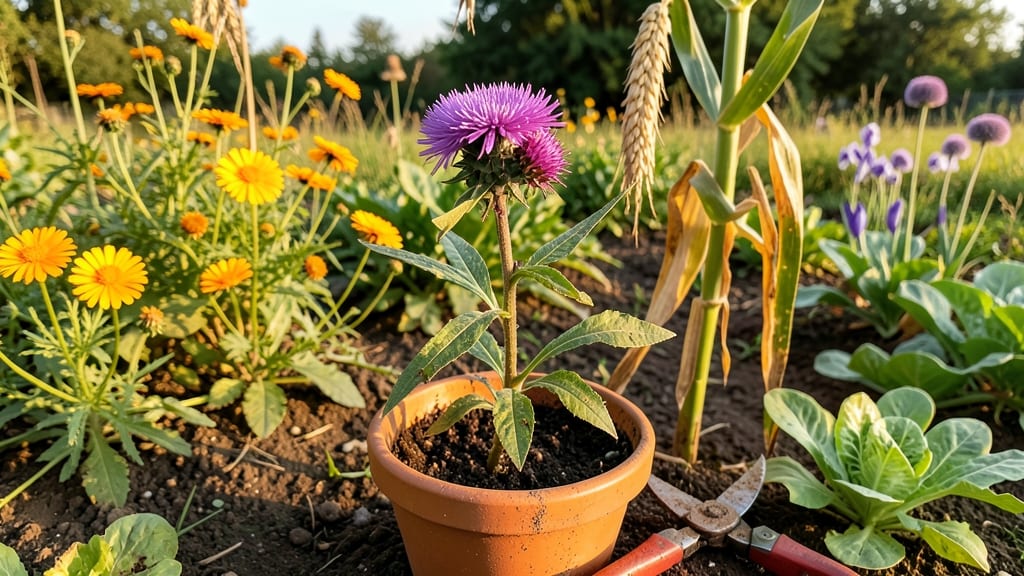
My gardening calendar for 2025 is the game-changer that keeps my garden thriving through every season—from frost-kissed January to sun-drenched October. I’ve mapped out planting dates, pruning reminders, and pest control windows so you never miss a critical moment, whether you’re in Zone 5 or Zone 9.
The real magic happens when you align your work with the moon phases and your local climate, turning guesswork into a foolproof system.
You’ll need just a few tools: a sturdy planner, a highlighter for key dates, and a quick-reference chart for your region. I’ve included adjustments for tropical, temperate, and cold climates, so no matter where you garden, the calendar works.
The best part? It covers both outdoor beds and indoor setups, ensuring your herbs and houseplants stay on track too.
By following this schedule, you’ll harvest crisp lettuce in early spring, enjoy summer tomatoes that burst with flavor, and still have winter greens growing strong under grow lights.
The calendar even flags holidays like Labor Day for last-minute planting—because timing is everything when you want a garden that performs all year.
Whether you’re a seasoned gardener or just starting, this isn’t just a list—it’s your roadmap to a garden that feels like it’s always in its prime. No more forgotten deadlines or missed opportunities. Let’s get your 2025 growing season planned down to the day.
📚 In This Guide
- What you need
- Instructions
- Tips and common mistakes
- Wrapping up and next steps
What you need
- ● Seeds & Seedlings: Choose based on your USDA hardiness zone (e.g., cool-season crops like lettuce, spinach, and kale for early spring; warm-season crops like tomatoes, peppers, and cucumbers for late spring/summer). Plan for 3-5 plants per variety for a balanced harvest.
- ● Potting Soil: 10-20 bags (2-3 cubic feet each) of high-quality, well-draining soil (e.g., Miracle-Gro or Fox Farm Ocean Forest). Opt for organic blends for best results.
- ● Fertilizer: Balanced fertilizer (10-10-10 or 20-20-20) for general use.
- ● Slow-release organic fertilizer (e.g., compost or worm castings) for long-term nourishment.
- ● Liquid fertilizer (e.g., fish emulsion or seaweed extract) for quick nutrient boosts.
- ● Mulch: 5-10 bags of organic mulch (straw, wood chips, or shredded leaves) to retain moisture and suppress weeds.
- ● Watering Supplies: Hose with adjustable nozzle (e.g., brass or brass-like for durability).
- ● Watering can (5-gallon capacity) for delicate seedlings.
- ○ Drip irrigation kit (optional but highly recommended for efficiency).
- ● Protective Gear: Gloves (nitrile or leather for durability).
- ● Wide-brimmed hat and sunscreen (SPF 30+).
- ● Hand Tools: Trowel (stainless steel, 6-8 inches).
- ● Hand pruners (bypass pruners for clean cuts).
- ● Garden fork (heavy-duty for turning soil).
- ● Hand weeder (for precise weed removal).
- ● Larger Tools: Shovel (round-point for digging, flat-head for edging).
- ● Garden rake (bow rake for leveling, leaf rake for cleanup).
- ● Hoe (stirrup or stand-up for weeding).
- ○ Optional (But Helpful!) Tools: Wheelbarrow or garden cart for hauling materials.
- ● Kneeling pad or garden stool for comfort.
- ● Soil pH tester (to monitor plant health).
- ● Plant markers (biodegradable or reusable for labeling).
- ● Location: Choose a garden spot with 6-8 hours of sunlight daily (adjust for shade-loving plants). Ensure good drainage to avoid waterlogging.
- ● Weather Check: Monitor your local frost dates and first/last frost timelines for 2025. Plan planting windows accordingly!
- ● Soil Test: Conduct a soil test (via local extension office or home kit) to check pH and nutrient levels. Amend soil as needed (e.g., lime to raise pH, sulfur to lower it).
- ● Permits (if applicable): Check local regulations for raised beds, irrigation systems, or community gardens.
Instructions for planning your 2025 gardening calendar
Here's how to organize your planting schedule for maximum harvests all year.
Determine Your Planting Zones and Frost Dates
Start by identifying your USDA hardiness zone—this dictates what you can grow and when. For 2025, check the latest frost date averages for your area (typically March 15-April 15 for spring and October 15-November 15 for fall). I always verify these dates with my local cooperative extension office, as microclimates can shift frost timings by weeks. Write down your last spring frost and first fall frost dates—they're your planting anchors.
Next, calculate your growing season length by subtracting the two dates. A 180-day season lets you grow warm-season crops like tomatoes, while shorter seasons (120 days) suit faster producers like lettuce. This ensures you choose varieties that mature before frost. I keep a small notebook with these dates taped to my gardening bench for quick reference.
Plan Your Seasonal Planting Blocks
Divide your calendar into four main blocks: early spring, late spring, summer, and fall. Early spring (4-6 weeks before last frost) is for cool-season crops like peas and spinach, while late spring (2-3 weeks before last frost) handles heat-sensitive plants like broccoli. Summer (after last frost) is for tomatoes, peppers, and cucumbers, and fall (8-10 weeks before first frost) revives cool-season crops for a second harvest.
I color-code these blocks on my calendar—green for cool season, yellow for warm season, and blue for fall planting. This visual helps me spot gaps where I can add fast-growing crops like radishes between slower ones. For example, if my tomatoes finish by September, I'll slot in a quick crop like bush beans in that space.
Schedule Succession Planting for Continuous Harvests
Succession planting keeps your garden productive by staggering plantings every 2-3 weeks. For leafy greens like lettuce, I plant a new row every 10-14 days to ensure a steady supply. With warm-season crops like zucchini, I'll plant a second batch in early summer if the first harvests finish before fall. This method prevents gluts and ensures you always have something fresh.
I mark these intervals on my calendar with small arrows pointing forward. For example, if I plant my first lettuce on April 1, I'll note "April 15" and "May 1" as follow-up dates. This prevents me from overcommitting to one crop at a time. Remember, some plants like carrots and beets take longer to mature, so I space those out more—every 3-4 weeks.
Incorporate Maintenance and Pest Control Timing
Your calendar isn't just about planting—it's also about weeding, fertilizing, and pest monitoring. I schedule a deep weeding session every 4-6 weeks during active growing months, and I note when to apply slow-release fertilizer (usually at planting and mid-season). For pests, I mark the arrival of common culprits like aphids or squash bugs based on past years' patterns—this helps me stay ahead with organic sprays.
Don't forget to include soil testing dates (early spring) and mulching schedules (late spring and fall). I also block out time for pruning fruit trees in late winter and harvesting perennials like asparagus in early summer. These tasks keep your garden thriving but can easily get overlooked if not planned.
Adjust for 2025's Unique Considerations
While your general calendar stays consistent, 2025 might bring specific opportunities. For example, if you're experimenting with new varieties, note their maturity dates and adjust your planting timeline accordingly. I also keep an eye on moon planting phases—though science debates their impact, some gardeners swear by planting root crops during the waxing moon for better yields.
Finally, leave buffer weeks for unexpected delays—whether it's a late frost, dry spell, or supply chain hiccup. I always add a "flex week" every month where I can shift tasks as needed. This keeps your garden resilient without derailing your entire plan. Print your calendar and hang it where you'll see it daily—your future harvests depend on it.
Tips & tricks for perfect gardening calendar planning
A well-organized gardening calendar is your secret weapon for a thriving garden. Here's how to make the most of your 2025 planting plan.
Local Knowledge is Key: Don't rely solely on national frost date averages. I always call my local cooperative extension office for precise frost dates—microclimates can shift frost timings by weeks, especially in hilly areas or near large bodies of water. I've seen frost dates vary by 10 days just a few miles from my garden, so verify before finalizing your calendar.
Visual Planning Pays Off: The color-coding system I use for seasonal blocks (green for cool season, yellow for warm season, blue for fall planting) transforms my calendar into an instant garden snapshot. This visual approach helps me spot planting gaps at a glance. For example, I can quickly see if I have room for a quick crop like radishes between my slower-growing tomatoes.
Succession Planting Strategy: When scheduling your every 2-3 weeks succession plantings, I recommend starting with your fastest-maturing crops. Leafy greens like lettuce (ready in 10-14 days) are perfect for frequent plantings, while root vegetables like carrots (ready in 3-4 weeks) can be spaced further apart. This staggered approach ensures you always have fresh produce coming in without overwhelming your garden space.
Maintenance Reminders: Your calendar should include more than just planting dates. I block out time for critical maintenance tasks like soil testing (early spring), mulching (late spring and fall), and deep weeding sessions every 4-6 weeks. These tasks often get overlooked but are essential for long-term garden health. I even schedule pest monitoring based on local patterns—knowing when aphids typically arrive helps me stay ahead with organic sprays.
Pro Tips for Gardening Calendar 2025
- A well-organized gardening calendar is your secret weapon for a thriving garden.
- Local Knowledge is Key: Don't rely solely on national frost date averages.
- Visual Planning Pays Off: The color-coding system I use for seasonal blocks (green for cool season, yellow for warm season, blue for fall planting) transforms my calendar into an instant garden snapshot.
Frequently asked questions
When should I start planning for 2025?
Now is the perfect time! Review your 2024 successes and failures, sketch your garden layout, and note climate shifts. Most planting calendars for 2025 will align with your first frost date (find yours here). Pro tip: Use a garden journal to track soil health, pest patterns, and harvest dates—it’s your secret weapon for next year!
How do I adjust for my specific climate zone?
Start by identifying your USDA Hardiness Zone (or local microclimate). A 2025 calendar will often include zone-specific notes, but tweak timelines by 2–4 weeks earlier/later based on your area’s trends. For example, Zone 7 gardeners might start warm-season crops (like tomatoes) 2 weeks earlier than Zone 5. Use frost-free dates as your guide—not just average last frost!
Can I still plant [veggie/fruit] in late season?
Extend your growing season with succession planting (e.g., radishes every 2 weeks) or cold-hardy crops like kale, spinach, or garlic. For warm-weather plants, opt for fast-maturing varieties (check seed packets for "days to harvest"). If nights dip below 50°F, use row covers or a mini greenhouse to shield tender plants like basil or peppers.
What if my soil isn’t ready in time?
No worries! Start with container gardening (herbs, lettuce, or strawberries thrive in pots) or raised beds to warm soil faster. Amend with compost or aged manure 4–6 weeks before planting, and test pH (aim for 6.0–7.0). Lasagna gardening (layering cardboard, greens, and browns) is a zero-till hack for slow-starting beds!
How do I prevent pests without chemicals?
Rotate crops yearly to disrupt pest life cycles, and plant companion plants (e.g., marigolds repel nematodes, basil deters flies). Encourage beneficial insects like ladybugs with dill or fennel. For existing infestations, try neem oil or soapy water sprays—both are garden-safe. Monitor early: Catching problems at the egg or larva stage saves your harvest!
| Quick Fixes for Common Issues | Try This |
|---|---|
| Slow germination | Soak seeds overnight in warm water or use a heat mat. |
| Leggy seedlings | Move containers to a sunny windowsill or use a grow light. |
| Blossom end rot (tomatoes) | Add crushed eggshells to soil for calcium. |
Wrapping up and next steps
As you plan your gardening calendar 2025, remember that success comes from preparation, patience, and passion. Whether you're a seasoned green thumb or a beginner, this month-by-month guide gives you the tools to nurture a thriving garden year-round.
Start small, stay consistent, and watch your efforts bloom into beauty—and maybe even a bountiful harvest!
🌱 Ready to grow? Grab your calendar, mark those planting dates, and let 2025 be your most rewarding gardening year yet! Check out our pro tips section for extra inspiration before you dive in.