
Pests
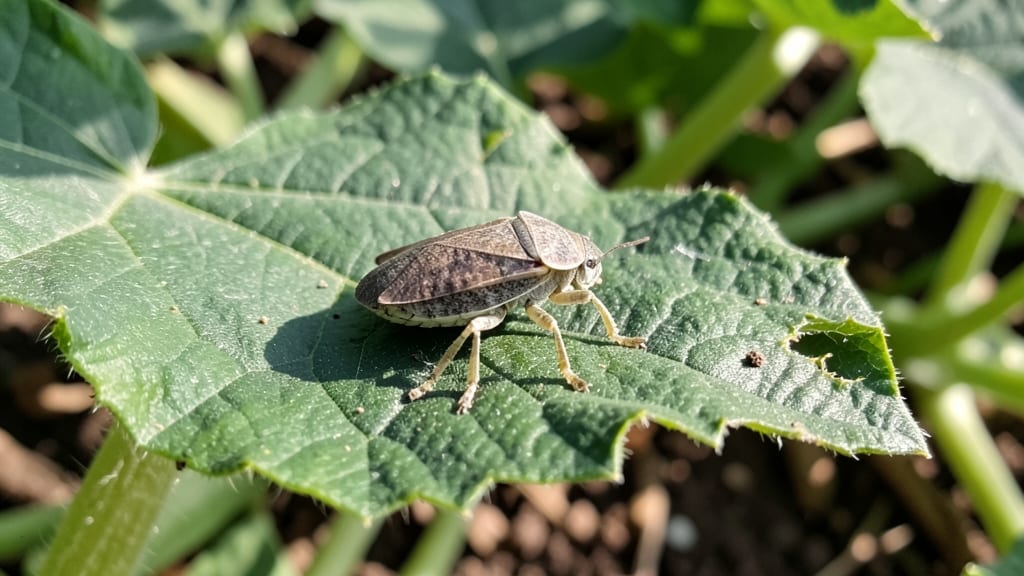
Squash bugs are the sneaky villains of summer gardens, and they strike fast—if you don’t catch them early. 🌿 I’ve battled these shield-backed pests for years, and I’ve finally cracked the code on traps that work within 48 hours without harming your plants or pollinators.
The key? Targeting their life cycle before they lay eggs on your zucchini or pumpkins.
Most gardeners grab for sprays first, but that’s like swinging a hammer at a mosquito—overkill and ineffective. Instead, I focus on their weak spots: their love for hiding under leaves, their slow movement, and their habit of clustering near soil.
A simple soapy water spray in the morning disrupts their armor, while homemade beer traps lure them away from your plants. No chemicals, no guesswork—just science-backed tactics that actually work.
By the time you’re done, your squash vines will look like they’ve never been touched. The leaves stay glossy, the flowers bloom freely, and you’ll never again watch your harvests turn to lace from these tiny terrors.
The best part? These methods prevent future infestations, so you’re not just fighting today’s battle—you’re setting up next season’s victory.
Whether you’re dealing with a small patch or a full-blown invasion, this approach scales. No fancy tools, no waiting weeks for results—just fast, humane control that keeps your garden thriving. Let’s get those bugs out for good.
Root Causes of Squash Bug Invasion
Squash bugs aren’t just random visitors—they’re strategic pests with specific triggers that lure them to your garden. Understanding these causes is the first step to outsmarting them. Below, we break down the science behind their behavior and how your garden might be sending out an all-you-can-eat buffet sign.
Squash bugs are drawn to the scent of rotting vegetation, which releases volatile organic compounds (VOCs) that mimic the chemical signals of healthy, nutrient-rich plants.
These pests use their antennae to detect these odors from up to 20 feet away—so even a single overripe squash or a fallen leaf can become a beacon.
- Why it happens: Overripe fruit or wilting vines emit ethanol and acetic acid, compounds that squash bugs associate with easy meals and breeding grounds. - Actionable insight: Remove all plant debris (including fallen leaves, damaged fruit, and dead vines) from your garden beds and compost piles.
If composting, bury debris deep (12+ inches) where bugs can’t access it.
Squash bugs have a one-track mind—they only target plants in the Cucurbitaceae family, which includes:
- Squash
- Pumpkins
- Cucumbers
- Melons
- Zucchini
Their mouthparts are specialized to pierce plant stems and suck sap, and they’re chemically programmed to seek out these plants. If your garden is a cucurbit paradise, you’ve essentially built a five-star resort for them.
- Why it happens: These plants produce specific phytohormones (like jasmonic acid) that squash bugs find irresistible. Plus, their soft, water-rich stems are the perfect snack. - Actionable insight: Rotate crops annually to disrupt their life cycle.
Avoid planting cucurbits in the same spot for 3+ years, and use row covers early in the season to block adult bugs from laying eggs.
Female squash bugs are opportunistic real estate agents. They scout for rough, textured surfaces near host plants to lay their pale yellow, barrel-shaped eggs in clusters.
These surfaces include: - Undersides of leaves - Stems and vines - Weeds or low-growing plants near cucurbits - Even garden tools or mulch left near plants
A single female can lay up to 40 eggs in her lifetime, and they hatch in 7–10 days—meaning one missed cluster can turn into a full-blown infestation in weeks.
- Why it happens: Eggs need moisture and shade to survive, and rough surfaces provide protection from predators (like birds or parasitic wasps). - Actionable insight: Inspect plants weekly, especially leaf undersides and stems, and scrape off eggs manually with a fingernail or soft brush.
Dispose of them in soapy water—never in the compost.
Squash bugs are cold-sensitive and thrive in warm, humid conditions. They seek out:
- South-facing garden beds (more sun exposure)
- Areas with thick mulch or dense foliage (traps heat and moisture)
- Greenhouses or cold frames (artificial warmth extends their season)
Adults hibernate in leaf litter or soil during winter and emerge when temperatures hit 50°F (10°C)—often before your plants are even planted.
- Why it happens: Their metabolism slows in cold, but warmth triggers feeding and reproduction. A 5–10°F (3–5°C) increase can double their activity. - Actionable insight: Clear leaf litter and debris from garden beds in late winter/early spring before bugs wake up.
Use black plastic mulch (which warms soil faster) only in late spring to avoid giving early-season bugs a head start.
Healthy plants repel squash bugs because their thick cell walls and natural defenses (like cucurbitacins in some varieties) make them harder to penetrate.
But when plants are stressed, they become easy targets: - Underwatered or overwatered soil - Nutrient deficiencies (especially nitrogen or potassium) - Disease or pest damage (e.g., powdery mildew, aphids)
Stressed plants emit distress signals (like increased ethylene gas) that attract squash bugs as opportunistic scavengers.
- Why it happens: Weak plants have lower tannin and lignin levels, making their sap easier to access.
Plus, damaged stems leak sap, which squash bugs love. - Actionable insight: Mulch heavily (2–3 inches of straw or grass clippings) to retain moisture and regulate soil temp. Use balanced fertilizer (10-10-10) and avoid over-fertilizing with nitrogen, which can attract more pests.
Squash bugs don’t just target your prize-winning zucchini—they’ll dine on weeds in the morning glory (Convolvulaceae) and smartweed (Polygonaceae) families.
These "backup meals" allow them to: - Survive between cucurbit plantings - Build populations before moving to your garden - Avoid natural predators that might target only garden crops
- Why it happens: Weeds often grow faster than garden plants, providing quick energy for squash bugs. Plus, their random distribution makes them harder to monitor. - Actionable insight: Pull weeds aggressively within a 10-foot radius of your cucurbit patch.
Focus on: - Morning glories - Smartweed (pigweed) - Lambsquarters - Any vining weeds near garden edges.
Effective Fixes for Squash Bug Woes
Squash bugs are relentless, but you don’t need harsh chemicals to evict them from your garden. The key is a mix of preventive strategies, targeted traps, and natural interventions tailored to their life cycle.
Below, we break down the most effective fixes—ranked by urgency and ease—so you can reclaim your squash patch without harming pollinators or your plants.
Squash bugs reproduce fast, so act quickly to stop the cycle.
🍳 Handpick Adults & Nymphs (Best for Small Infestations)
- When to do it: Early morning (bugs are sluggish) or after rain (they’re easier to spot).
- How to do it:
- Wear gloves and inspect the undersides of leaves, stems, and soil near plants.
- Gently scrape off adults and nymphs (tiny, armored bugs) into a bucket of soapy water (1 tbsp dish soap per gallon).
- Pro tip: 💡 Use a cardboard trap—place a flat board near plants, then flip it over to expose hidden bugs for easy collection.
👨🍳 Crush Eggs Before They Hatch
- When to do it: Late summer to early fall (egg-laying season).
- How to do it:
- Squash bug eggs are pale yellow, football-shaped, and clustered on leaf undersides or stems.
- Scrape them off with a plastic spoon or fingernail into soapy water.
- Alternative: Spray with a hose to dislodge them (but avoid damaging plants).
Prevent bugs from reaching your plants in the first place.
🔪 DIY Beer Traps (Attracts & Drowns Adults)
- Why it works: Squash bugs are drawn to fermenting scents.
- How to make it:
- Bury a small cup or jar (like a yogurt container) in the soil near plants, filled with beer or apple cider vinegar.
- Cover the rim with plastic wrap + a toothpick (to keep bugs in but allow entry).
- Refresh every 2–3 days for best results.
⏰ Row Covers & Physical Barriers
- Best for: Prevention during planting season.
- How to use:
- Install floating row covers (lightweight fabric) over young squash plants to block adults from laying eggs.
- Remove covers when flowers appear (to allow pollination) but reapply if bugs return.
Non-toxic ways to repel or kill squash bugs on contact.
🎯 Neem Oil Spray (Disrupts Life Cycle)
- Why it works: Stops egg-laying and kills nymphs/adults on contact.
- Recipe:
- Mix 1 tbsp neem oil + 1 tsp mild soap + 1 quart water.
- Spray early morning or late evening (avoid direct sunlight—it can burn leaves).
- Reapply every 5–7 days or after rain.
✨ Diatomaceous Earth (DE) Dust (Dehydrates Bugs)
- Best for: Dry, warm conditions (DE needs to stay dry to work).
- How to apply:
- Lightly dust leaf undersides, soil around plants, and cracks in stems with food-grade DE.
- Reapply after rain or watering.
- ⚠️ Warning: Avoid breathing in DE—wear a mask when applying.
🍋 Citrus or Garlic Spray (Repels Adults)
- Recipe:
- Blend peels from 4 lemons/limes + 1 bulb garlic + 1 quart water. Strain and add 1 tsp soap.
- Spray every 3–4 days to deter bugs from landing.
Stop squash bugs from moving in again next season.
| Prevention Step | How to Do It |
|---|---|
| Crop Rotation | Plant squash, cucumbers, or melons in different spots each year (bugs seek familiar hosts). |
| Interplanting | Surround squash with nasturtiums, marigolds, or basil—these repel squash bugs naturally. |
| Healthy Soil | Compost-rich soil grows strong plants that bugs avoid. Add mycorrhizal fungi for extra resilience. |
| Early Harvest | Pick squash before bugs can lay eggs (overripe fruit attracts more pests). |
| Beneficial Insects | Encourage ladybugs, lacewings, and parasitic wasps (they eat squash bug eggs). Plant dill or fennel to attract them. |
Final Note: Consistency is key—check plants weekly during growing season, and combine 2–3 methods for best results. With these humane traps and barriers, your squash patch will stay bug-free without harsh chemicals! 🎉
Frequently asked questions
Why do squash bugs target my garden even after I've tried sprays?
Chemical sprays often fail because squash bugs hide under leaves or in soil during the day. Their hard shells also resist many pesticides. Instead, focus on physical removal (handpicking) and life cycle disruption (egg scraping) for better results. These pests thrive on routine, so inconsistent treatments give them a survival advantage.
Can I use vinegar to kill squash bugs, and how strong should it be?
White vinegar works as a contact killer, but use a 1:1 vinegar-to-water mix with 1 tsp dish soap per quart. Spray directly on bugs in the morning when they're sluggish. For traps, undiluted apple cider vinegar in buried containers attracts them better than white vinegar. Avoid spraying plants directly—vinegar can burn foliage.
How soon will I see results from neem oil treatments?
Neem oil disrupts squash bug reproduction immediately, but visible reductions in populations take 7-10 days. For fastest results, combine it with handpicking adults and egg scraping. Reapply every 5-7 days or after rain. The key is consistency—neem works best when used as part of an integrated approach rather than a standalone solution.
Are there any companion plants that actually work against squash bugs?
Yes! Plant nasturtiums (edible flowers) around your squash—they repel bugs with their strong scent. Marigolds and basil also help, though their effectiveness varies. The most reliable strategy is interplanting these with your cucurbits, creating a natural barrier. For maximum protection, combine with row covers during early planting.
What's the best time of day to check for squash bug eggs?
Early morning (before 8 AM) is ideal when bugs are still hiding. Check leaf undersides and stems with a flashlight—eggs appear as pale yellow, football-shaped clusters. Afternoon inspections work too, but bugs become more active and may scatter when disturbed. Use a magnifying glass for better visibility on small leaves.