
Light Requirements
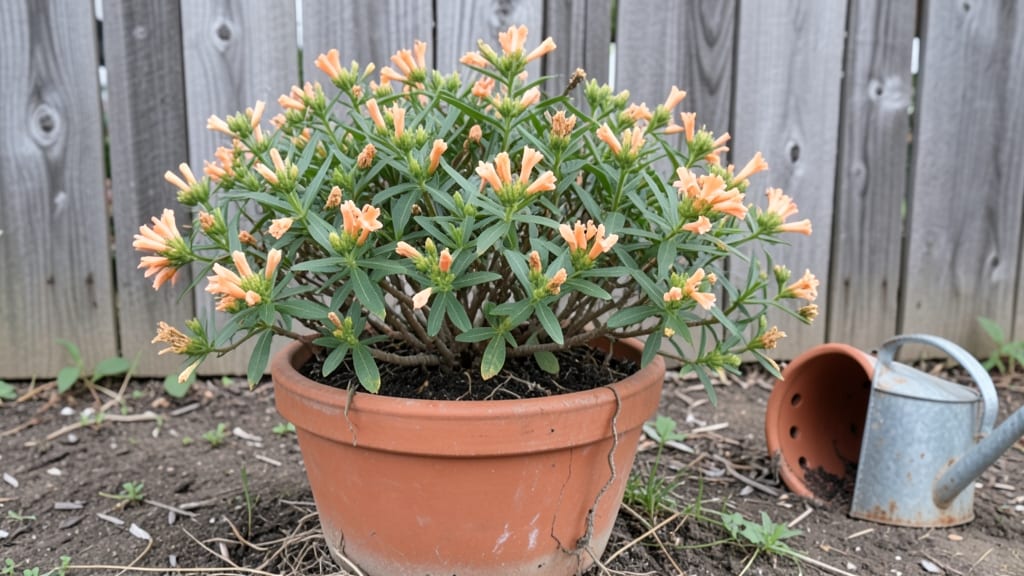
Container gardening for full sun isn’t just possible—it’s where plants like peppers, tomatoes, and lavender truly shine. 🌿 I’ve grown heat-loving varieties in pots for years, and the key isn’t avoiding the sun but embracing it with the right setup.
The right containers, soil, and watering routine turn blazing afternoon light into fuel for lush, productive plants.
You’ll need containers with drainage holes (at least 5 gallons for vegetables), lightweight potting mix that drains fast, and a spot that gets 6+ hours of direct sun. Herbs like rosemary and thyme thrive in small pots, while tomatoes and peppers need deeper containers to support their roots.
The trick is keeping soil moist but not soggy—overwatering in full sun is the fastest way to kill plants.
By summer’s end, you’ll have vibrant green foliage, heavy with tomatoes, peppers, or fragrant herbs. The plants grow faster and produce more than in-ground gardens because containers warm up quickly and you control the soil quality. Plus, you avoid soil-borne diseases and pests that plague raised beds.
Works for balconies, rooftops, or sunny patios—no yard required. The same principles apply whether you’re growing edibles, flowers, or succulents. Let’s get those pots planted and soaking up the sun!
📚 In This Guide
- What you need
- Instructions
- Tips and common mistakes
- Wrapping up and next steps
What you need
- ● Containers: 1-5+ pots (depending on plants); minimum 12-inch depth, with drainage holes. Choose from: Terra cotta (breathable, great for sun)
- ● Plastic (lightweight, retains moisture)
- ● Fiberglass (durable, won’t crack)
- ● Potting Soil: 1 bag high-quality, well-draining mix (e.g., 50/50 blend of potting soil + perlite or sand). 💡 Pro Tip: Avoid garden soil—it compacts and suffocates roots!
- ● Drainage Material: Small pebbles, broken pottery, or 1–2 inches of gravel per pot.
- ● Fertilizer: Slow-release granules (e.g., 10-10-10) or liquid feed (like fish emulsion).
- ● Hand trowel or small shovel (for planting)
- ● Garden gloves (to protect from heat/prickly plants)
- ● Watering can or hose with adjustable nozzle
- ○ Optional: Mulch (e.g., straw or pine bark) to retain moisture.
- ● Sunlight: 6+ hours of direct sun daily (confirm location before planting!).
- ● Water Access: Nearby spigot or watering setup (sun-loving plants dry out fast!).
- ● Heat Tolerance: Choose plants like lavender, succulents, or peppers that thrive in full sun.
Step-by-Step guide to thriving container plants in full sun
Here’s how to select, prep, and maintain sun-loving plants that flourish in pots.
🪴 Step 1: Choose the Right Containers and Drainage
Start with containers that have drainage holes—this is non-negotiable. Heat-loving plants like tomatoes, peppers, and succulents wilt quickly in soggy soil. I use unglazed terra cotta pots for most vegetables because they wick away excess moisture, but plastic works too if you add extra perlite to the mix. Size matters: 5-gallon pots for tomatoes, 3-gallon pots for peppers, and 1-gallon pots for herbs like rosemary or thyme.
If your pots lack drainage, drill holes yourself—just don’t go too wild. Two or three ¼-inch holes per pot are enough to prevent root rot while allowing water to escape. Line the bottom with ½ inch of gravel to create an air gap and improve drainage further. This small step prevents the most common container-gardening disaster: drowned roots.
🌱 Step 2: Select and Prepare Heat-Tolerant Potting Mix
Garden soil compacts in containers and bakes hard under full sun, so sterile potting mix is a must. I blend one part perlite into three parts potting mix to improve aeration and drainage. For extra heat resistance, add a slow-release fertilizer (like 10-10-10) at planting time—this feeds roots steadily without burning them in the intense sun.
Fill containers 1 inch below the rim to prevent overflow when watering. Press the mix lightly to remove air pockets, but don’t compact it—roots need room to breathe. Moisten the mix with warm water until it’s damp like a wrung-out sponge. This ensures even moisture distribution right from the start, which is critical for sun-loving plants that dry out fast.
☀️ Step 3: Plant Sun-Loving Species with Spacing in Mind
Full-sun containers need fast-draining, nutrient-rich soil and proper spacing to avoid competition. Tomatoes and peppers thrive in 5-gallon pots with one plant per container, while herbs like basil and oregano can share 3-gallon pots with two or three plants. Place taller varieties (like sunflowers) in the center and shorter ones (like marigolds) around the edges for balanced growth.
Dig a hole twice as wide as the root ball but no deeper than the plant’s container. Gently remove the plant from its nursery pot, loosen the roots if they’re circling, and place it in the hole. Fill around the roots with soil, pressing lightly to eliminate air gaps. Water deeply right after planting—this helps settle the soil and removes any air pockets that could strangle roots.
💧 Step 4: Water Deeply and Strategically in Full Sun
Sun-loving plants in containers dry out faster than those in the ground. Water deeply in the morning—aim for 1-2 gallons per 5-gallon pot, depending on heat levels. You’ll know it’s enough when water runs out the drainage holes. Mulch the surface with ½ inch of straw or shredded bark to slow evaporation and keep roots cool.
Check soil moisture daily in extreme heat by sticking your finger 1 inch deep. If it feels dry, water again. Overwatering is just as deadly as underwatering—yellowing leaves or mushy stems signal root rot, while crispy edges mean thirst. Adjust your watering based on the weather: every other day in 90°F+ heat, but every 3-4 days in 80°F.
✂️ Step 5: Prune and Protect for Long-Term Success
Pinch off flower buds on tomatoes and peppers for the first 6-8 weeks—this redirects energy to leaf and root growth instead of fruit production. Use clean, sharp pruners to snip just above a leaf node. Regular pruning also improves airflow, reducing the risk of fungal diseases like powdery mildew, which thrives in hot, humid conditions.
Shade cloth or a lightweight row cover becomes essential when temperatures hit 95°F+. Even heat-loving plants struggle in extreme heat—wilting leaves or dropped flowers are your warning signs. Move containers to a shadier spot (like under a patio awning) during peak afternoon sun, then return them to full sun in the morning. This simple adjustment can save your plants during heatwaves.
Tips & tricks for thriving container plants in full sun
Container gardening in full sun demands attention to detail—but these tricks will help you avoid common pitfalls and keep your plants flourishing.
Container Material Matters: Unglazed terra cotta pots are ideal for heat-loving plants because they breathe and wick away excess moisture. However, if you're using plastic containers (which retain moisture longer), add an extra one part perlite to your potting mix to prevent soggy roots. I've found that even with proper drainage, plastic pots can trap heat, so position them where they get afternoon shade during extreme 95°F+ days.
Root Health is Non-Negotiable: In Step 1, when you're creating that ½-inch gravel layer at the bottom of your container, don't skimp on this air gap. I've seen too many containers fail because gardeners think "more gravel = better drainage," but the key is creating that critical air pocket. This prevents what I call "the container gardener's nightmare"—roots sitting in stagnant water at the bottom while the top soil stays dry. Think of it as creating a root-friendly environment where oxygen can circulate.
Watering Wisdom for Extreme Heat: The instructions mention watering every other day in 90°F+ heat, but here's what nobody tells you: morning watering is crucial because it gives plants time to absorb moisture before the sun peaks. I've learned this the hard way—watering in the afternoon can lead to fungal issues from prolonged leaf wetness. For containers, I use the "finger test" at 1-inch depth—if it feels dry, water deeply until it runs out the drainage holes. This ensures the roots get what they need without over-saturating.
Pruning for Productivity: When you pinch off those flower buds on tomatoes and peppers in the first 6-8 weeks (Step 5), you're not just promoting foliage—you're setting up your plants for better fruit production later. I recommend using clean, sharp pruners and making cuts just above a leaf node to encourage branching. This technique might seem counterintuitive when you're eager for tomatoes, but trust me, the wait is worth it for those bushier, more productive plants. Plus, it improves airflow which is your first line of defense against fungal diseases in humid conditions.
Pro Tips for Container Gardening For Full Sun
- Container gardening in full sun demands attention to detail—but these tricks will help you avoid common pitfalls and keep your plants flourishing.
- Container Material Matters: Unglazed terra cotta pots are ideal for heat-loving plants because they breathe and wick away excess moisture.
- Root Health is Non-Negotiable: In Step 1, when you're creating that ½-inch gravel layer at the bottom of your container, don't skimp on this air gap.
Frequently asked questions
Got questions about keeping your full-sun container garden thriving? You’re not alone! Here are answers to the most common concerns—from sun exposure to plant care—so you can garden with confidence.
What are the best plants for full-sun container gardening?
Opt for heat-tolerant varieties like succulents (e.g., sedum or echeveria), herbs (basil, rosemary, thyme), or flowers (geraniums, marigolds, lantana). These thrive in 6+ hours of direct sun daily. Avoid moisture-loving plants like ferns—they’ll wilt fast in pots!
When is the best time to plant in full-sun containers?
Plant in spring (after last frost) or early fall to avoid scorching young roots. If planting in summer, choose heat-resistant seedlings (like peppers or zinnias) and water deeply at dawn/dusk. Pro tip: Acclimate potted plants gradually to full sun over 1–2 weeks to prevent shock.
How often should I water full-sun containers?
Check soil moisture daily in peak sun—containers dry out 2–3x faster than ground beds. Water early morning to reduce evaporation, and aim for 1–2 inches of water per week (adjust for heatwaves). Use self-watering pots or mulch with pebbles to retain moisture.
How do I protect plants from extreme heat in containers?
Move pots to partial shade (3–4 hours sun) during heatwaves (90°F+). Use lightweight containers (like fabric grow bags) to prevent overheating, and add shade cloth (30–50%) if needed. Mist leaves sparingly in the evening to cool them—just avoid soggy soil!
What’s the cheapest way to set up a full-sun container garden?
Repurpose plastic bins, buckets, or old tires as pots (drill drainage holes!). Use free compost from yard waste or kitchen scraps, and swap pricey soil mixes for a 50/50 blend of topsoil and perlite. Seed swaps or dollar-store herb starts cut costs too—just prioritize drainage and sunlight over fancy setups.
Wrapping up and next steps
Container gardening in full sun is all about embracing the heat and choosing the right plants and pots to thrive under bright, unfiltered light. With the right setup—drainage, sun-resistant containers, and heat-loving varieties—you can create a vibrant, low-maintenance oasis even in the hottest spots. 🌞
Ready to get started? Pick one plant or pot from this guide and experiment with your own sunny corner. Whether you’re growing herbs, veggies, or flowers, your container garden will reward you with lush growth and big smiles. Happy planting! 🌱