
Diseases
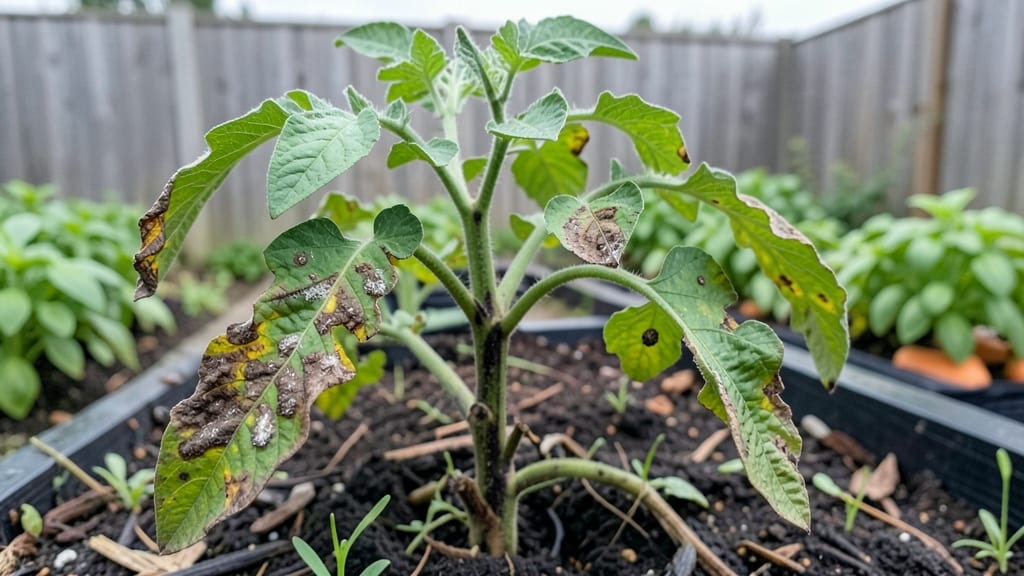
Fungus in raised garden beds can turn your thriving plants into a moldy mess if you don’t act fast. I’ve seen firsthand how quickly fuzzy white mold or brown spots can spread—especially when beds stay too wet or crowded.
The good news? Raised beds actually give you an edge over in-ground gardens because you control the soil and airflow better.
Most fungal problems start with poor drainage or overwatering, but the wrong bed materials—like untreated wood—can also invite trouble. My 5-gallon bucket of compost tea saved my strawberries last summer when I noticed black spots on leaves.
The key is catching it early: thin plants for airflow, sterilize new soil, and avoid overhead watering when possible.
You’ll learn to spot the difference between harmless surface mold and serious rot, plus how to treat it without harsh chemicals. A simple mix of baking soda and water (1 tbsp per gallon) can stop powdery mildew in its tracks.
For stubborn cases, I’ll show you when to pull infected plants and replace soil—without breaking the bank.
This works for any raised bed, whether you’re growing veggies, herbs, or flowers. The same principles apply to container gardens too. Let’s get your beds back to healthy, productive soil—before the fungus wins.
Root Causes of Fungal Growth
Fungal outbreaks in raised garden beds aren’t just random bad luck—they’re often the result of specific conditions that fungi love to exploit. Understanding these triggers is the first step to stopping them before they ruin your plants.
Below, we break down the top reasons fungus thrives in your raised beds, along with the science behind each cause.
Fungi need moisture to spread, and overwatering is their favorite buffet. When soil stays soggy for too long, spores germinate and multiply rapidly. Poor drainage—whether from compacted soil, a lack of gravel at the bed’s base, or no drainage holes—traps excess water, creating the perfect fungal paradise.
Why it happens:
- Oxygen deprivation: Waterlogged soil cuts off oxygen, weakening plant roots and making them vulnerable to fungal infections like Phytophthora (root rot) or Pythium.
- Spores thrive: Many fungi (e.g., Rhizoctonia, Fusarium) release spores in damp conditions. A single spore can grow into a colony in as little as 24–48 hours if moisture persists.
- pH shifts: Overly wet soil can alter pH levels, making it more acidic—a condition some fungi (like Botrytis, the gray mold) adore.
💡 Pro Tip: Aim for 1 inch of water per week (including rain) and water early in the day so foliage dries quickly. Elevate beds with gravel or landscape fabric at the bottom to improve drainage.
Leaves, mulch, and plant residues aren’t just food for your soil—they’re fungal smorgasbords. When organic matter decomposes too slowly, it creates a damp, nutrient-rich environment where fungi like Armillaria (honey fungus) or Sclerotinia (white mold) feast.
Why it happens:
- Sugar-rich decay: As plant material breaks down, it releases simple sugars that fungi use for energy. The more debris, the faster fungi colonize.
- Shaded, humid microclimates: Thick mulch or dense plant litter traps moisture and blocks airflow, ideal for fungal spores to land and grow.
- Pathogen survival: Some fungi (e.g., Verticillium wilt) can lie dormant in old plant debris for years, waiting for the right conditions to strike.
💡 Pro Tip: Remove all plant debris at season’s end and avoid over-mulching. Use straw or pine needles (less prone to compacting) instead of thick layers of leaves.
Fungi are opportunistic—they strike when conditions are just right. Warm, humid weather (especially 70–85°F with high humidity) is their sweet spot. Sudden temperature drops or prolonged dampness after rain can also trigger outbreaks.
Why it happens:
- Condensation on leaves: When warm, humid air cools overnight, water droplets form on foliage—perfect for spores to land and infect. This is how Powdery Mildew spreads.
- Slow evaporation: In shaded or enclosed beds, moisture lingers longer, giving fungi time to establish.
- Stressed plants: Heatwaves or cold snaps weaken plants, making them less resistant to fungal attacks.
💡 Pro Tip: Space plants for good airflow (3–6 inches between leaves) and water at soil level (not overhead) to reduce leaf wetness. Use row covers in humid climates to lower moisture levels.
Healthy soil = healthy plants = fewer fungal problems. But when soil lacks balance—whether from too much nitrogen, poor microbial life, or compacted texture—fungi move in to take advantage.
Why it happens:
- Excess nitrogen: While nitrogen fuels leafy growth, it can weaken plant defenses and create lush, fungal-friendly foliage (think: powdery mildew on over-fertilized cucumbers).
- Lack of beneficial microbes: Fungi like Trichoderma (a natural soil fungus) compete with pathogens—but if your soil is depleted, harmful fungi dominate.
- Compacted soil: Poor aeration reduces root strength and traps moisture, making plants more susceptible to root-infecting fungi like Phytophthora.
💡 Pro Tip: Test your soil and amend with compost, mycorrhizal fungi (like EndoMycorrhiza), or biochar to boost microbial diversity. Avoid synthetic fertilizers that disrupt the soil ecosystem.
Fungal spores are tiny but tough—they can hitchhike on tools, compost, or even wind. If you introduce infected material to your raised bed, the problem spreads like wildfire.
Why it happens:
- Infected compost: Homemade compost can harbor spores if it heats unevenly (e.g., Aspergillus or Fusarium). Store-bought compost isn’t risk-free either—some batches are contaminated.
- Dirty tools: Pruners, shovels, or gloves can transfer spores from infected plants to healthy ones. Even water from a contaminated hose can spread fungi.
- Windborne spores: Fungal spores (like those from Botrytis) can travel miles on wind or water splashes.
💡 Pro Tip: Sterilize tools with 70% isopropyl alcohol or a 10% bleach solution between uses. Use pasteurized compost (heated to 140°F for 1 hour) and avoid working in beds when plants are wet.
Some plants are magnets for fungi—especially if they’re susceptible to the same diseases. Crowding them together creates a perfect storm of humidity and stress.
Why it happens:
- Monoculture risks: Planting the same species (e.g., tomatoes or strawberries) year after year exhausts soil defenses and leaves fungi to thrive.
- Splash dispersal: Tall plants (like basil or peppers) can splash water from the soil onto lower leaves, spreading spores upward.
- Root competition: Overcrowded roots weaken plants, making them easier targets for soil-borne fungi like Armillary root rot.
💡 Pro Tip: Practice crop rotation (wait 3 years before replanting the same family) and interplant susceptible crops with resistant ones (e.g., marigolds near tomatoes to deter fungi).
Quick Fixes for Fungus Woes
Fungus in your raised garden bed doesn’t have to mean the end of your harvest—with the right approach, you can turn things around fast. Below, we’ve mapped common causes to practical solutions, so you can tackle the problem head-on and keep your plants thriving.
Prevention tips are included to stop future outbreaks before they start.
Fungus loves damp, soggy conditions, so if your soil stays too wet, it’s an open invitation for mold and mildew.
How to Fix It:
- 🔥 Adjust Your Watering Routine: Water deeply but less frequently—aim for 1–1.5 inches per week, including rainfall. Use a moisture meter to check soil dampness before watering.
- 👨🍳 Improve Drainage: If your raised bed drains poorly, add a 2–3 inch layer of coarse sand, gravel, or perlite to the bottom before planting. For existing beds, mix in compost or aged manure to improve aeration.
- 🥘 Raise the Beds (Literally): If drainage is chronically bad, consider elevating the bed further or adding a French drain around the perimeter to divert excess water.
Prevention Tips: ✨ Water in the morning so foliage dries quickly. ✨ Avoid overhead watering—use drip irrigation or soaker hoses instead. ✨ Check your bed’s location—ensure it’s not in a low-lying area where water pools.
Fungus thrives in humid, shaded environments with poor airflow. If your plants are packed too closely, moisture lingers, creating the perfect breeding ground.
How to Fix It:
- 🍳 Prune for Airflow: Thin out overcrowded plants to improve circulation. Aim for 12–24 inches of space between plants, depending on their mature size.
- 🔪 Remove Infected Leaves: Snip off yellowing, spotted, or moldy leaves immediately—don’t compost them! Bag and discard them in the trash to prevent spreading spores.
- ⏰ Space Out Plantings: If you’re succession planting, stagger crops so you’re not harvesting and replanting at the same time, which can stress the soil.
Prevention Tips: 💡 Use row covers in humid climates to reduce moisture buildup. 🌡️ Avoid mulching too heavily—stick to 1–2 inches of organic mulch (like straw) to allow airflow. 🎯 Plant fungus-resistant varieties (e.g., blight-resistant tomatoes, powdery mildew-resistant squash).
If your soil has too much synthetic fertilizer, pesticide residue, or an off pH, it can weaken plants and make them susceptible to fungal attacks.
How to Fix It:
- 🔥 Test Your Soil: Use a home soil test kit to check pH and nutrient levels. Most veggies thrive in slightly acidic to neutral soil (6.0–7.0).
- 👨🍳 Amend the Soil: If pH is off, adjust with:
- Lime (to raise pH) for acidic soil.
- Sulfur or peat moss (to lower pH) for alkaline soil.
- 🥘 Switch to Organic Fertilizers: Ditch synthetic chemicals—opt for compost, worm castings, or fish emulsion to feed plants without disrupting the soil microbiome.
Prevention Tips: ✨ Rotate crops annually to prevent nutrient depletion. ✨ Avoid over-fertilizing—too much nitrogen (especially from synthetic sources) weakens plants. ✨ Use beneficial microbes like mycorrhizal fungi or bacillus subtilis to outcompete harmful pathogens.
If your raised bed soil is depleted, compacted, or harboring old fungal spores, no amount of watering adjustments will help.
How to Fix It:
- 🍳 Refresh the Soil: Replace the top 6–12 inches of soil with a sterilized mix of:
- 50% compost
- 30% coconut coir or peat moss
- 20% perlite or vermiculite
- 🔪 Sterilize the Bed (If Needed): If fungus is severe, solarize the soil by covering the bed with clear plastic for 4–6 weeks in hot sun to kill pathogens.
- 👨🍳 Add Beneficial Organisms: Introduce trichoderma fungi, nematodes, or compost tea to crowd out harmful microbes naturally.
Prevention Tips: 💡 Build new raised beds with fresh, sterilized soil every few years. 🌡️ Avoid reusing infested soil—even "curing" it with heat or chemicals may not eliminate spores. 🎯 Plant cover crops (like clover or mustard) in the off-season to improve soil health and suppress pathogens.
If fungus keeps returning despite your best efforts, consider natural fungicides as a last resort:
- 🍄 Neem oil (preventative spray)
- 🌿 Copper fungicide (for severe cases like blight)
- 🍅 Baking soda spray (1 tsp baking soda + 1 quart water + a drop of dish soap—spray on leaves)
⚠️ Pro Tip: Always test sprays on a small area first and reapply after rain.
By addressing the root cause (literally!) and making a few strategic tweaks, you can banish fungus for good and keep your raised garden bed productive and healthy. 🌱💪
Frequently asked questions
What’s the fastest way to tell if my raised bed has fungus?
Check for white, gray, or black fuzzy patches on soil or mulch, and look for yellow/brown spots or powdery coatings on leaves. Root rot shows as mushy, discolored roots. Fungal spores often appear within 24–48 hours of damp conditions—don’t wait longer than 3 days to act.
Can I still use my raised bed if I see surface mold?
Yes, but only if it’s harmless surface mold (green/black fuzzy spots on soil). Remove it by raking and improving airflow. However, if you spot powdery white coatings on leaves or dark lesions, treat immediately with baking soda spray or neem oil to prevent spread.
How do I sterilize my raised bed soil to prevent fungus?
For existing beds, solarize the soil by covering with clear plastic for 4–6 weeks in hot sun. For new beds, mix in pasteurized compost (heated to 140°F for 1 hour) or use sterilized potting mix. Avoid reusing infested soil—even \"cured\" soil may still harbor spores.
Will fungicides harm my plants or beneficial insects?
Natural options like neem oil or baking soda are safe when used correctly. Chemical fungicides (e.g., copper) can harm bees and earthworms—always apply early morning when pollinators are inactive. For organic gardens, prioritize preventive measures like airflow and soil health over sprays.
Can I save plants already infected with fungus?
For leaf fungi (e.g., powdery mildew), prune infected areas and treat with 1 tbsp baking soda + 1 quart water. For root rot or stem infections, remove the plant entirely to stop spread. Never compost infected plants—bag and discard them in the trash.