
Size
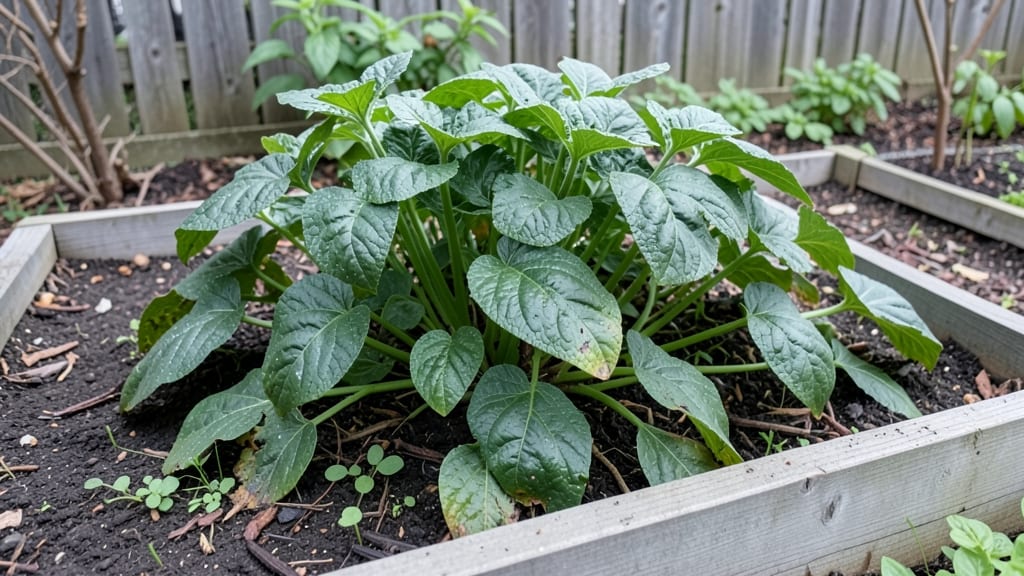
To determine how tall a raised garden bed needs to be, start with 6 to 12 inches for most vegetables and herbs, as this provides adequate root depth while improving drainage and accessibility. Deeper beds (12–18 inches) support root crops like carrots or potatoes, while taller beds (18+ inches) accommodate larger plants or wheelchair access.
A raised garden bed's height directly impacts plant health and your gardening experience. 🌱 Shallow-rooted plants like lettuce or basil thrive in 6-inch beds, while deeper beds (up to 18 inches) give root vegetables the space they need to grow fully.
The extra height also reduces soil compaction and improves drainage, which is especially helpful in heavy clay soils. For accessibility, I always aim for at least 12 inches—this height keeps my knees comfortable while still being manageable to fill with soil and mulch.
Beyond plant needs, taller beds offer practical benefits like reduced weed pressure and easier maintenance. If you're designing for accessibility, consider adding removable sides or adjustable heights to accommodate different users.
The key is balancing your plants' root requirements with your own comfort and the structural integrity of the materials you choose.
💡 In This Article
- Root Depth Requirements for Different Plants
- Accessibility and Structural Considerations
Root depth requirements for different plants
Here's what's actually happening underground: plant roots need space to explore for nutrients and water, and their growth patterns vary dramatically. Shallow-rooted herbs like basil or thyme only require 4-6 inches of soil depth, as their fibrous roots spread horizontally rather than vertically.
These plants thrive in the topsoil layer where microbial activity is highest, giving them quick access to organic matter. 🌿 Meanwhile, deep-rooted vegetables like carrots or parsnips need 12-18 inches of loose soil to develop their full taproots—without this space, they'll become stunted or forked.
The science behind this involves soil aeration and moisture retention. Taller beds create better air circulation at the root zone, which is crucial for aerobic respiration—roots "breathe" through oxygen in the soil pores. A 12-inch bed maintains this aeration while also improving drainage compared to ground-level planting.
For moisture retention, deeper beds hold water closer to the roots during dry spells, but the extra height also means you'll need to water more deeply to reach the lower layers. I've found that 18-inch beds strike the perfect balance for most root vegetables in my climate zone.
What most people don't realize is how bed depth affects nutrient access. In a 6-inch bed, nutrients become depleted faster because the root zone is limited. Deeper beds allow you to incorporate more compost and organic matter throughout the profile, creating a nutrient reservoir that lasts the growing season.
For example, a 12-inch bed filled with equal parts topsoil, compost, and perlite will maintain fertility for leafy greens, while a 18-inch bed can support heavy feeders like tomatoes or squash for multiple harvests.
Layering soil is where the magic happens for customizing bed depth. Start with 4-6 inches of coarse material (gravel or hardware cloth) at the bottom for drainage, then add 6-12 inches of your planting mix.
For deep-rooted plants, extend this to 18 inches by adding a middle layer of compost-rich soil. This stratified approach mimics natural soil profiles while giving you precise control over root development. The key is maintaining a loose, crumbly texture throughout—roots need to push through soil easily, not fight against compaction.
Consider these plant-specific examples to visualize the differences:
- Shallow-rooted: Lettuce (6 inches), Radishes (4-6 inches), Strawberries (8 inches)
- Moderate-depth: Beets (10-12 inches), Green Beans (12 inches), Peppers (12-14 inches)
- Deep-rooted: Carrots (14-18 inches), Potatoes (16-18 inches), Asparagus (18+ inches)
The deeper the bed, the more you'll notice how roots follow moisture gradients—this is why consistent watering patterns matter. In 18-inch beds, I've observed roots growing in distinct horizontal layers where I've placed moisture-retaining materials like coconut coir.
This layering isn't just theoretical; it directly impacts your harvest quality and quantity. 💫