
Light Requirements
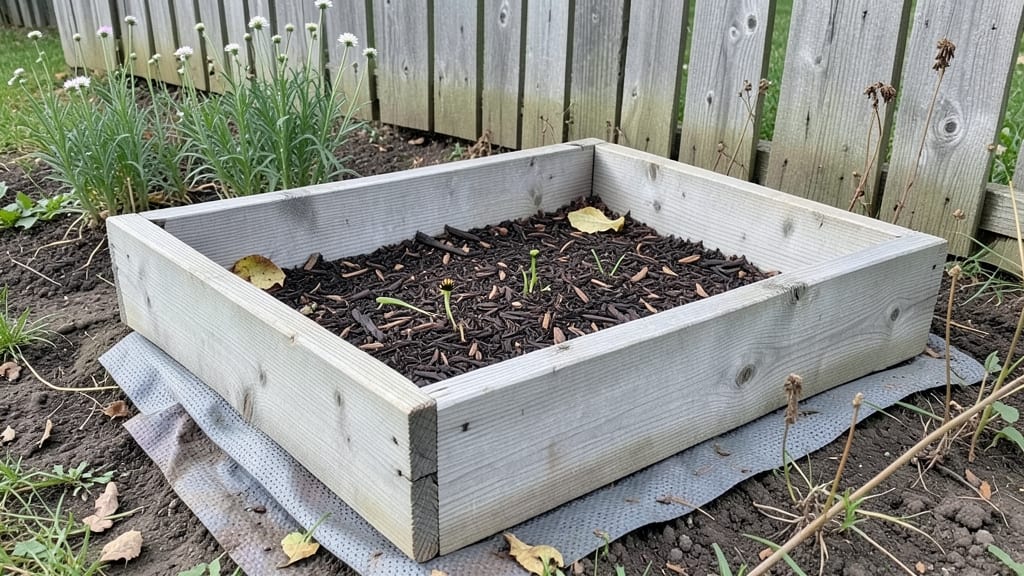
A 4 x 8 raised garden bed requires 16 cubic feet of soil for a 6-inch depth, 32 cubic feet for 12 inches, or 48 cubic feet for 18 inches—accounting for compaction and plant root space. Always add 10-20% extra to avoid shortages during planting.
Figuring out how much soil your raised garden bed needs starts with basic math—length times width times depth—but real-world factors like soil settling and root space change the numbers. 🌱 For example, a 6-inch bed might look like enough for shallow plants, but heavy watering and settling can reduce usable space by up to 25%.
I always recommend going deeper (12 inches) for vegetables, as it improves drainage and gives roots room to grow, while shallower beds work better for flowers or herbs that don't need as much depth.
Another key tip is to mix your soil properly. Pure topsoil compacts easily, while a blend of topsoil, compost, and perlite creates a looser, more fertile medium that holds moisture without becoming waterlogged.
This mix not only supports healthier plants but also reduces the need for frequent watering—saving you time and effort in the long run.
💡 In This Article
- Calculating Soil Volume for Different Raised Bed Heights
- Best Soil Mixes for 4×8 Raised Garden Beds
Calculating soil volume for different raised bed heights
Let's break down the math behind soil volume using your 4 x 8 raised bed as our example. The basic formula is length × width × height, but real-world factors complicate things.
For a 6-inch depth, the raw calculation is 4 feet × 8 feet × 0.5 feet = 16 cubic feet. However, soil naturally compacts over time—especially when watered—reducing usable space by about 15-25%.
This is why gardeners often add 20-30% extra soil to account for settling and root expansion.
The height of your bed dramatically affects plant performance. A 6-inch depth works for shallow-rooted plants like lettuce or strawberries, but vegetables like tomatoes or peppers need 12-18 inches of soil to thrive. Deeper beds improve drainage, prevent root binding, and allow better access to nutrients.
For example, a 12-inch bed (4 × 8 × 1 = 32 cubic feet) gives roots room to grow downward while maintaining oxygen flow—a critical factor for heavy feeders like squash or corn.
Here's what's actually happening in the soil: Compaction occurs when particles settle tightly together, reducing pore space for air and water. Organic matter (like compost) helps maintain structure by creating more air pockets.
I've seen beds lose up to 30% of their initial volume after the first heavy watering if they're filled with pure topsoil. That's why a 50/50 mix of topsoil and compost is ideal—it balances fertility with aeration, giving roots the space they need to establish.
For deep-rooted plants, consider these adjustments: Root crops like carrots or potatoes need 12-18 inches of loose, well-draining soil to prevent forking. Trees or shrubs planted in raised beds require even more—sometimes 24 inches—to support their growth.
The key factor is root zone development: Deeper beds allow roots to access moisture and nutrients from a larger volume, reducing stress during dry spells. This is especially important in containers where water evaporates faster than in-ground gardens.
Let's compare two scenarios: A 6-inch bed filled with pure topsoil will compact significantly, leaving plants struggling for space. The same bed filled with a 60% topsoil/30% compost/10% perlite mix maintains structure, supports microbial activity, and retains moisture better.
The perlite adds critical air pockets that prevent waterlogging—a common issue in raised beds without proper drainage. 🌱 For a 12-inch bed, you'd need 32 cubic feet of this mixed soil, but the improved growing conditions often mean healthier, more productive plants despite the higher initial volume.
One nuance to consider is the weight of your soil mixture. A 12-inch bed filled with wet soil can weigh 1,000+ pounds, requiring sturdy framing. This is why many gardeners use lighter mixes with coconut coir or vermiculite.
The trade-off? These materials hold less water, so you'll need to monitor moisture more closely. For most vegetable gardens, a 70% topsoil/20% compost/10% perlite blend strikes the best balance between weight, fertility, and drainage.
What most people don't realize is how bed height affects temperature regulation. Deeper beds insulate roots better, protecting against frost and maintaining more stable soil temperatures.
In my experience, 12-inch beds stay 5-10°F warmer in spring and 5-10°F cooler in summer than shallower ones—a significant advantage for heat-sensitive crops like spinach or peas. This thermal buffering effect is one reason deep beds often produce better yields, even with the same soil volume.