
Fertilization
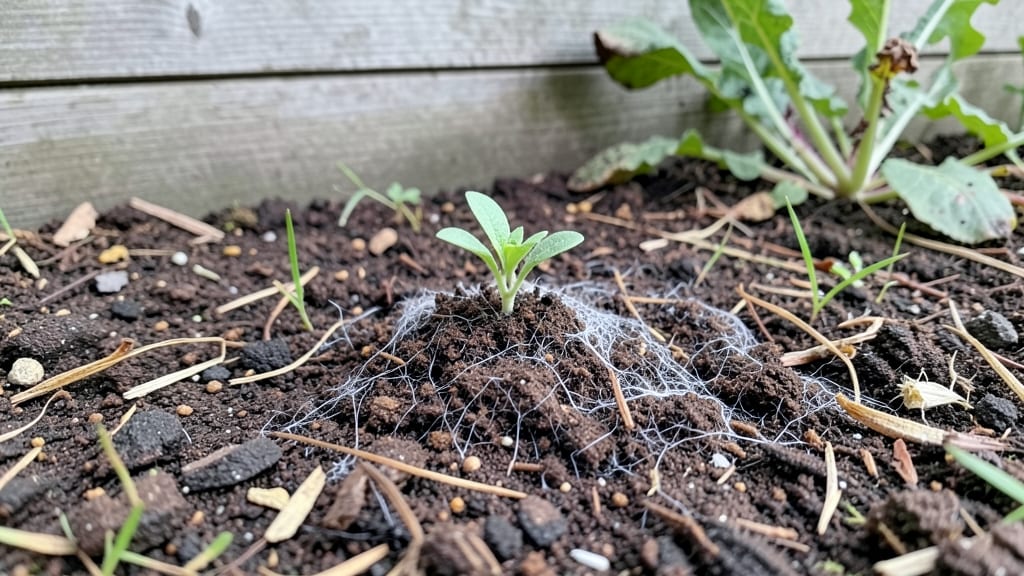
Creating a fungus garden soil blend transforms your soil from lifeless dirt into a thriving microbial ecosystem that plants crave. 🌱 I learned this after years of battling root rot and mold—until I rebuilt my soil with the right fungal balance.
The key isn’t just adding compost; it’s creating conditions where beneficial fungi like mycorrhizae can flourish while keeping harmful pathogens in check.
Start with a base of 50% compost (well-aged, not fresh) mixed with 30% garden soil and 20% coarse sand for drainage. Add a handful of worm castings per square foot—they’re packed with fungal spores that jumpstart microbial activity.
For extra protection, sprinkle 1 tablespoon of neem cake (not oil) per square foot to deter harmful fungi without harming beneficial ones.
Your plants will show the difference within 4-6 weeks: deeper green leaves, stronger stems, and roots that spread aggressively. The soil itself smells rich and earthy—not musty or sour. This isn’t just about fixing problems; it’s about building a soil foundation that prevents issues before they start.
Works for vegetables, perennials, and even houseplants when mixed into potting soil. The same principles apply whether you’re reviving a struggling garden bed or preparing fresh soil for spring planting. Let’s get your soil working for you, not against you.
Root Causes Of Fungal Imbalance
Creating a thriving fungus garden soil isn’t just about tossing in compost and hoping for the best—it’s a delicate balance of microbial life, organic matter, and environmental conditions.
When things go wrong, fungal imbalances can stifle plant growth, reduce nutrient uptake, or even invite harmful pathogens. Here’s why these issues arise, broken down into actionable science.
Fungi thrive in specific temperature ranges, but when soil swings between extremes—like freezing winters or scorching summers—it disrupts their metabolic processes. Too cold slows fungal activity, while too hot can kill beneficial mycorrhizal networks outright.
Why it happens:
- Cold stress: Temperatures below 50°F (10°C) halt fungal growth, reducing decomposition and nutrient cycling. Psychoactive fungi (like those in leaf litter) may even enter dormancy, waiting for warmer conditions.
- Heat stress: Above 90°F (32°C), fungal cell membranes break down, releasing toxins that can harm plant roots. Actinobacteria (bacterial competitors) often dominate in overheated soil, outcompeting fungi.
Actionable fix: Use mulch (straw, wood chips) to insulate soil and maintain steady temps. For indoor gardens, heat mats with thermostats can prevent overheating.
Fungi prefer slightly acidic to neutral soil (pH 5.5–7.5), but extreme pH shifts—whether too acidic (low pH) or alkaline (high pH)—can lock out beneficial species. Mycorrhizal fungi, for example, struggle below pH 5.0 or above pH 8.0.
Why it happens:
- Acidic soil (low pH): Excessive peat moss, pine needles, or sulfur-based fertilizers acidify soil, releasing aluminum and manganese in toxic forms. Fungi like Trichoderma (which suppress pathogens) become less effective.
- Alkaline soil (high pH): Overuse of lime, crushed eggshells, or hard water raises pH, reducing phosphorus availability. Fungi rely on phosphorus for growth, so they starve while bacteria (which prefer alkaline conditions) take over.
Actionable fix: Test soil pH with a digital meter or litmus paper. Adjust with:
- To raise pH (acidic soil): Add wood ash or crushed oyster shell (sparingly).
- To lower pH (alkaline soil): Mix in sphagnum peat or elemental sulfur (follow package rates).
Fungi need moisture to spread their hyphae (thread-like networks), but waterlogging or drought throws their ecosystem off balance. Both extremes suffocate beneficial microbes or force them into survival modes that harm plants.
Why it happens:
- Waterlogging: Soggy soil cuts off oxygen, creating anaerobic conditions. Fungi like Armillaria (honey fungus) thrive in these zones but release toxic metabolites that rot roots. Bacterial blooms (e.g., Pseudomonas) also outcompete fungi.
- Drought stress: Dry soil forms hydrophobic crusts, blocking water and fungal hyphae. Saprophytic fungi (which break down dead matter) go dormant, while pathogenic fungi (like Fusarium) may dominate.
Actionable fix:
- For waterlogged soil: Improve drainage with perlite, vermiculite, or raised beds. Add compost to boost organic matter, which holds air pockets.
- For drought-prone soil: Use hydrogel crystals or mulch to retain moisture. Water deeply 2–3 times per week (not daily) to encourage hyphal growth.
Fungi feast on decomposing organic material, but throwing in too much (e.g., fresh manure) or too little (e.g., bare mineral soil) disrupts their food web. The result? Either a pathogen party or a starving microbial desert.
Why it happens:
- Excess organic matter: Fresh, nitrogen-rich inputs (like grass clippings or uncomposted manure) trigger ammonia spikes, which favor fast-growing bacteria over slow, beneficial fungi. This creates a C:N imbalance (carbon-to-nitrogen ratio), where fungi can’t access enough carbon for energy.
- Deficient organic matter: Soil with less than 5% organic content lacks the lignin and cellulose fungi need to thrive. Without food, mycorrhizal networks shrink, reducing a plant’s ability to absorb phosphorus and micronutrients.
Actionable fix:
- For excess organic matter: Mix in carbon-rich amendments like leaf mold or straw to balance the C:N ratio (aim for 25:1 to 30:1). Let fresh materials compost first for 3–6 months.
- For deficient organic matter: Add well-aged compost (1–2 inches per season) or biochar to boost fungal food sources. Avoid synthetic fertilizers, which feed bacteria, not fungi.
Synthetic fertilizers—especially those high in soluble salts or nitrogen—can burn out fungal populations. Even "organic" chemicals like copper fungicides or neem oil (overused) can leave fungal communities in shambles.
Why it happens:
- Salt buildup: Fertilizers like Miracle-Gro or urea increase soil salinity, which osmotically stresses fungal cells. Hyphae shrink, reducing their ability to exchange nutrients with plants.
- Nitrogen dominance: High-nitrogen fertilizers (e.g., ammonium sulfate) shift the microbial balance toward bacteria, which multiply faster but don’t form the symbiotic networks fungi do.
- Fungicides/pesticides: Even "natural" sprays like gar
Fixing Fungus Soil Issues Naturally
Fungal imbalances in your garden soil can feel like a mystery, but the good news? Most problems have simple, nature-backed fixes. Below, we’ll map common causes to practical solutions—plus prevention tips to keep your soil thriving long-term.
Cause: Overuse of synthetic fertilizers, waterlogged soil, or lack of organic matter disrupts the fungal-bacterial balance. Fix:
- Add compost tea (🍳) – Brew aerobically with molasses (1 tbsp per gallon) to boost beneficial bacteria. Apply weekly for 4 weeks.
- Mix in biochar (🔥) – This porous carbon-rich material improves drainage and microbial diversity. Sprinkle ½ cup per square foot of soil.
- Top-dress with worm castings (🐛) – Worms naturally suppress harmful fungi while enriching soil with nitrogen. Spread a ¼-inch layer and water in.
Prevention Tip: 💡 Rotate crops annually to avoid fungal buildup in the same soil spots.
Cause: Compacted or soggy soil creates the perfect fungal feast. Poor drainage or mulch that’s too thick suffocates roots. Fix:
- Fluff the soil (👨🍳) – Use a broadfork or garden fork to aerate without disturbing roots. Aim for 6–12 inches deep.
- Switch to drip irrigation (💧) – Overhead watering spreads fungal spores. Keep leaves dry and water at the base.
- Reduce mulch thickness (✂️) – If mulch is over 2–3 inches, thin it out or replace with straw (less compacting than wood chips).
Prevention Tip: 🌡️ Test soil moisture weekly—fungi thrive in "damp sponge" conditions. Aim for 60–70% moisture, not soggy.
Cause: Fungal root infections (like Phytophthora or Pythium) block nutrient uptake, causing stunted growth. Fix:
- Apply hydrogen peroxide spray (🧪) – Mix 1 tbsp 3% H₂O₂ per gallon of water and drench roots (safe for soil microbes). Repeat every 3 days.
- Plant fungal-resistant varieties (🌿) – Swap susceptible plants (e.g., tomatoes) for resistant ones like Lycopersicon hirsutum (wild tomato relatives).
- Solarize the soil (☀️) – Cover infected beds with clear plastic for 4–6 weeks in summer. Sun + heat kills fungal spores.
Prevention Tip: 🎯 Space plants properly (3–4 feet apart) to improve airflow and reduce fungal spread.
Cause: Acidic soil (pH <6.0) or lack of mycorrhizal fungi weakens plant defenses. Fix:
- Add crushed eggshells or lime (🥚) – For acidic soil, sprinkle ½ cup lime per square foot. For alkaline soil, use sulfur (¼ cup per sq ft).
- Inoculate with mycorrhizal fungi (🍄) – Mix powdered mycorrhizae into planting holes or water with a liquid solution at transplanting.
- Grow cover crops (🌾) – Plant clover or vetch in off-seasons to fix nitrogen and outcompete harmful fungi.
Prevention Tip: ✨ Test soil pH annually—aim for 6.0–7.0 for most garden plants.
Bonus Table: Quick Fixes by Symptom
| Symptom | Likely Cause | Fast Fix |
|---|---|---|
| White/pink fuzzy growth on soil | Excess moisture + organic matter | Reduce watering; add diatomaceous earth (food-grade) |
| Plants collapse suddenly | Root rot (fungal) | Remove infected plants; apply copper fungicide |
| Soil crusts or repels water | Compacted + fungal buildup | Break up soil; add coconut coir for porosity |
Remember: Fungi aren’t all bad—90% of soil fungi are beneficial! The key is balance. Start with one fix, monitor for 2 weeks, then adjust. Your garden’s microbial party will thank you. 🎉
Frequently asked questions
What’s the best way to tell if my garden soil has too much fungus?
Look for white, pink, or black fuzzy growth on soil surfaces or plant stems—this is often mold or pathogenic fungi. Smell the soil too: musty or sour odors signal excess fungal activity. Healthy soil should have an earthy aroma, not a damp basement scent.
Can I use coffee grounds to balance fungal growth in my soil?
Yes, but use them carefully! Coffee grounds are acidic and high in nitrogen, which can feed harmful fungi if overused. Sprinkle a thin layer (½ cup per square foot) every few months, then mix into the top inch of soil to avoid surface buildup. Pair with carbon-rich materials (like straw) to balance the microbial ecosystem.
How often should I test my soil for fungal balance?
Test annually if your garden is healthy, or every 6 months if you’ve had fungal issues. Use a simple pH test kit and look for signs like mold, stunted growth, or yellowing leaves. For deeper analysis, send a sample to a lab to check microbial diversity—this reveals whether beneficial fungi (like mycorrhizae) are thriving.
Will compost tea really help with fungal imbalances?
but only if brewed correctly! Aerobic compost tea (with molasses) boosts beneficial microbes, while anaerobic tea can spread harmful pathogens. Use a 5-gallon bucket with an aquarium pump, brew for 24–48 hours, and apply as a foliar spray or soil drench. Strain thoroughly to avoid clogging.
Can I reuse soil from a fungal-infected garden bed?
Only if you sterilize it first. Solarize the soil (cover with clear plastic for 4–6 weeks in summer) or bake it in the oven at 180°F (82°C) for 30 minutes. Avoid chemical sterilants—they kill beneficial fungi too. After treatment, rebuild the soil with compost and mycorrhizal inoculants.