Pests
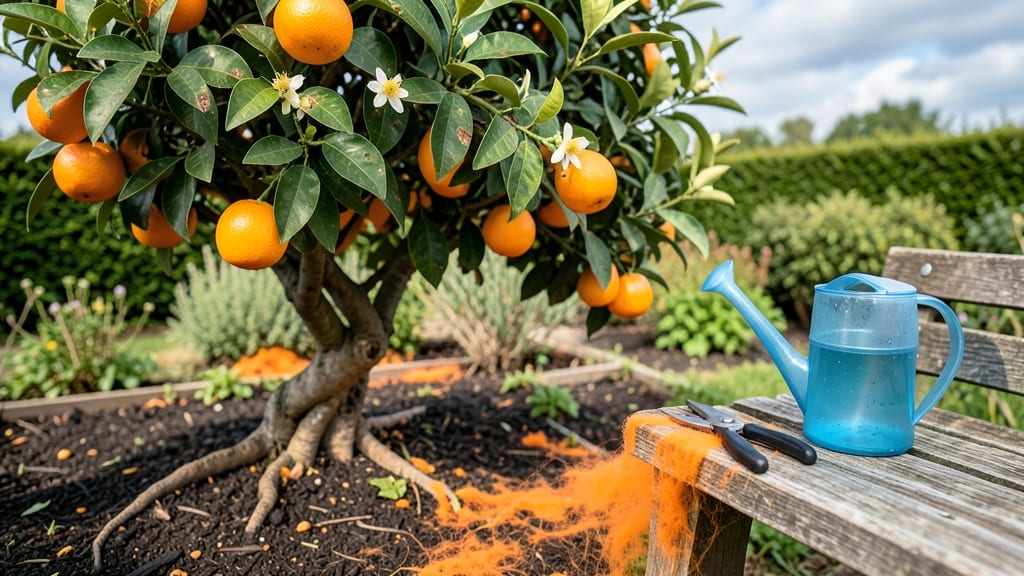
Seeing that bright orange fungus creeping through your garden isn’t just unsightly—it’s a red flag for soil health. 🌱 I’ve wrestled with this stubborn issue in my own raised beds, and what I learned changed how I manage moisture, mulch, and airflow.
The key isn’t just treating the fungus but fixing the conditions that invited it in the first place.
This orange growth thrives when soil stays damp too long, especially in shaded spots or after heavy watering. It’s not always harmful, but if it spreads aggressively or weakens plants, it’s time to act.
The good news? Simple fixes—like improving drainage, adjusting watering habits, or adding organic matter—can turn things around before it becomes a full-blown problem.
You’ll learn to spot the difference between harmless and problematic fungus, how to treat it without harsh chemicals, and—most importantly—how to prevent it from coming back. A few targeted adjustments can keep your soil vibrant and your plants thriving, without the orange haze taking over.
Whether you’re dealing with a small patch or a full-blown outbreak, these steps work for vegetable beds, flower gardens, and even lawn edges. Let’s get your soil back to healthy and your plants back to growing strong.
Root Causes Of Unwanted Fungal Growth
That mysterious orange hue creeping through your soil isn’t just a quirky color—it’s a sign your garden’s microbial balance is off. Understanding why this happens is the first step to stopping it before it spreads.
Below, we break down the most common triggers, backed by science, so you can take targeted action.
Fungi thrive in damp environments, and when your soil stays too wet, it creates the perfect breeding ground. Orange fungal growth often appears when:
- Drainage fails: Compacted soil or poor soil structure traps excess water, suffocating roots and inviting fungal spores. Test drainage by filling a hole with water—if it drains slower than 6 hours, you’ve got a problem.
- Overwatering: Frequent light waterings (rather than deep, infrequent ones) keep the topsoil perpetually damp. Fungi like Armillaria (a common orange-hued offender) spread aggressively in these conditions.
- No airflow: Dense mulch or thick ground cover blocks oxygen, creating a fungal-friendly microclimate. Aim for 1–2 inches of mulch (never directly against plant stems).
Actionable fix: Amend soil with perlite or coarse sand to improve aeration, and water only when the top 2 inches of soil are dry. If drainage is chronically poor, consider raised beds.
Fungi are opportunistic—when your plants aren’t getting the right nutrients, fungi swoop in to decompose organic matter, leaving behind those telltale orange mats. Key imbalances include:
- Excess nitrogen: While nitrogen fuels leafy growth, too much (from synthetic fertilizers or manure) weakens roots, making plants vulnerable to fungal invasion. Look for burnt edges on leaves as a red flag.
- Low phosphorus or potassium: These nutrients strengthen root systems and fungal resistance. A soil test revealing P or K levels below 40 ppm signals a deficiency.
- Organic matter overload: Fresh wood chips, uncomposted leaves, or high-carbon amendments (like sawdust) feed fungi directly, starving your plants. Balance with composted materials (C:N ratio of 20:1 or lower).
Actionable fix: Conduct a soil test (kits from local extension offices are affordable) and adjust with:
- For high nitrogen: Switch to slow-release fertilizers (e.g., worm castings) or compost tea.
- For low P/K: Add bone meal (3-15-0) or greensand (0-0-10) sparingly.
Stressed plants can’t fight off fungal invaders, and orange fungal growth often follows:
- Physical damage: Pruning wounds, root disturbances (from transplanting), or hail bruises create entry points for spores. Even minor abrasions can trigger infections.
- Environmental stress: Extreme heat, cold snaps, or drought weaken plants’ defenses. Fungi like Sclerotinia (which can appear orange) exploit these moments.
- Pest activity: Insects like root maggots or slugs create wounds that fungi colonize. Check for chewed roots or silvery slime trails.
Actionable fix:
- ✂️ Prune with sterilized tools (rubbing alcohol or bleach solution) and seal cuts with pruning paste.
- 🌡️ Mulch heavily (3+ inches) to stabilize soil temps and retain moisture during droughts.
- 🐛 Monitor for pests and use beneficial nematodes or diatomaceous earth as a barrier.
Fungal spores lurk in old plant debris, tools, and even compost. If you’re not practicing cleanliness, you’re essentially inviting a fungal party:
- Reusing contaminated soil: Never replant in the same spot without sterilizing soil (baking at 180°F for 30 mins kills spores) or solarizing (covering with clear plastic for 4–6 weeks).
- Dirty tools: Fungal spores hitchhike on pruners, shovels, and gloves. 90% of gardeners unknowingly spread disease this way.
- Composting mistakes: Hot compost piles (140–160°F) kill pathogens, but cold piles preserve spores. Turn compost frequently to maintain heat.
Actionable fix:
- 🧼 Sanitize tools between uses with a 10% bleach solution or rubbing alcohol.
- 🗑️ Remove infected plants (including roots!) and dispose of them in the trash (not compost).
- 🔥 Practice crop rotation—avoid planting the same family (e.g., tomatoes, peppers) in the same spot for 3+ years.
Fixing Fungal Overgrowth Naturally
Fungal blooms like the orange fungus garden—often caused by excess moisture, poor airflow, or organic buildup—can stress your plants and soil. But with the right approach, you can restore balance without harsh chemicals.
Below are practical, step-by-step solutions tailored to common causes, plus prevention tips to keep your garden healthy long-term.
---
Cause: Overwatering, compacted soil, or poor drainage creates the perfect damp environment for fungal spores to thrive.
Fix: - 🔥 Reduce Watering Immediately – Let the top 1–2 inches of soil dry out before watering again. Use a moisture meter or stick your finger in to check. - 🍳 Improve Drainage – Amend heavy clay soil with: - 50% compost (for organic matter) - 30% perlite or coarse sand (for aeration) - 20% worm castings (to boost microbial activity) Mix these into the top 6 inches of soil. - 👨🍳 Raise Beds or Containers – If drainage is chronically poor, elevate plant beds or use pots with drainage holes. - ⏰ Water in the Morning – Avoid evening watering to prevent prolonged moisture on leaves and soil.
💡 Pro Tip: Mulch with straw or pine needles (not wood chips) to retain moisture without suffocating the soil. Keep mulch 2–3 inches away from plant stems to prevent rot.
---
Cause: Dense foliage, crowded plants, or enclosed growing spaces trap humidity and block airflow, fueling fungal growth.
Fix: - 🔪 Prune Overgrown Plants – Thin out branches or leaves to create gaps for airflow. Aim for a "fishbone" structure in shrubs or a 30% reduction in density for dense plants. - 🥘 Use Fans (Yes, Really!) – Place a small low-speed oscillating fan near plants to mimic wind. Run it for 1–2 hours daily to dry surfaces faster. - 🌡️ Space Plants Properly – Follow tag guidelines for spacing (e.g., tomatoes need 18–24" apart). If repotting, use larger containers to reduce crowding. - ✨ Open Greenhouses Early – If growing in a greenhouse, crack vents by 9 AM and close by 4 PM to regulate humidity.
💡 Pro Tip: Dwarf varieties of plants (like bush beans or compact peppers) naturally improve airflow. Swap out tall, sprawling types if fungal issues persist.
---
Cause: Old mulch, decomposed leaves, or rotting plant debris create a nutrient-rich buffet for fungi.
Fix: - 🔥 Remove Infested Debris – Pull up and compost or discard (not reuse!) any plants showing orange fungal growth. Do not add them to your compost pile—this spreads spores. - 🍳 Sterilize Tools & Pots – Wash pruners, trowels, and containers with: - 1 part bleach to 9 parts water (rinse well) - OR 70% rubbing alcohol (for a chemical-free option) - 👨🍳 Refresh Mulch – Replace old mulch with fresh, dry options like: - Cedar chips (naturally antifungal) - Gravel (for pathways to reduce soil splash) - Straw (breaks down slower than wood chips) - 🥘 Solarize the Soil (Advanced) – For severe cases, cover bare soil with clear plastic for 4–6 weeks in hot sun. This bakes out pathogens.
💡 Pro Tip: Baking soda spray (1 tsp baking soda + 1 quart water + a drop of dish soap) can prevent fungal spores from settling on leaves. Spray weekly as a preventive.
---
Cause: Poor soil health—low microbes, high acidity, or lack of nutrients—weakens plants, making them susceptible to fungi.
Fix: - 🔥 Test Your Soil – Use a DIY test kit (or send a sample to a local extension office) to check pH and nutrient levels. Aim for: - pH 6.0–7.0 (most plants thrive here) - High microbial activity (add compost tea if low) - 🍳 Add Beneficial Microbes – Introduce: - Mycorrhizal fungi (powder or granules for roots) - Trichoderma harzianum (a natural antifungal soil amendment) - Worm castings (1 cup per plant, worked into the top 6" of soil) - 👨🍳 Use Compost Tea – Brew 1 part compost to 5 parts water, steep for 24–48 hours, then strain and water plants with it. Do this every 2 weeks during growing season. - 🥘 Avoid Over-Fertilizing – Too much nitrogen (especially synthetic) weakens plants. Switch to balanced organic fertilizers (e.g., 5-5-5 or 3-4-6 NPK ratio).
💡 Pro Tip: Plant companion crops like marigolds, thyme, or garlic near susceptible plants. These release natural antifungals and improve soil structure.
---
Once you’ve treated the issue, lock in your progress with these ongoing habits: - ✅ Water at the base (not overhead) to keep foliage dry. - ✅ Rotate crops annually to prevent fungal buildup in the same soil. - ✅ Choose resistant varieties (e.g., BlightMaster tomatoes or All-Blue potatoes). - ✅ Monitor humidity – Aim for 40–60% relative humidity in growing areas. - ✅ Inspect plants weekly – Catch early signs (like yellowing leaves or powdery textures) before fungi spread.
--- Final Thought: Fungal issues are often a sign of an unbalanced ecosystem, not just a "pest." By addressing moisture, airflow, debris, and soil health, you’ll create a garden where plants—and their microbial allies—thrive together. 🌱✨
Frequently asked questions
Is orange fungal growth always harmful to my garden?
Not necessarily—some orange fungi are harmless decomposers that break down organic matter. However, if it spreads aggressively, weakens plants, or appears as bright orange mats near roots, it’s likely a problem like Armillaria or Sclerotinia. Watch for wilting, yellowing leaves, or stunted growth as red flags.
Can I use vinegar or hydrogen peroxide to treat orange fungus?
Yes! A 1:1 vinegar-water solution (3% acetic acid) or 3% hydrogen peroxide spray can help kill fungal spores. Test on a small area first—vinegar may lower soil pH over time. For best results, apply early in the morning on dry foliage to avoid burning plants.
How do I know if my soil drainage is the problem?
Dig a 6-inch hole and fill it with water. If it drains slower than 6 hours, your soil is compacted. For quick fixes, mix in coarse sand or perlite (30% of the top 6 inches). Raised beds or containers with drainage holes also solve chronic soggy soil.
Will copper fungicides work on orange fungal growth?
Copper-based sprays (like Bordeaux mixture) can help, but they’re not always effective on deep-rooted fungi like Armillaria. For stubborn cases, combine copper with soil solarization (covering soil with clear plastic for 4–6 weeks) or beneficial microbes like Trichoderma.
Can I still compost if I have orange fungal growth?
No—never compost infected plant material. Fungal spores survive composting and will reinfect your garden. Instead, bag and trash heavily infested plants (including roots) or solarize the area to kill spores before replanting.