Pests
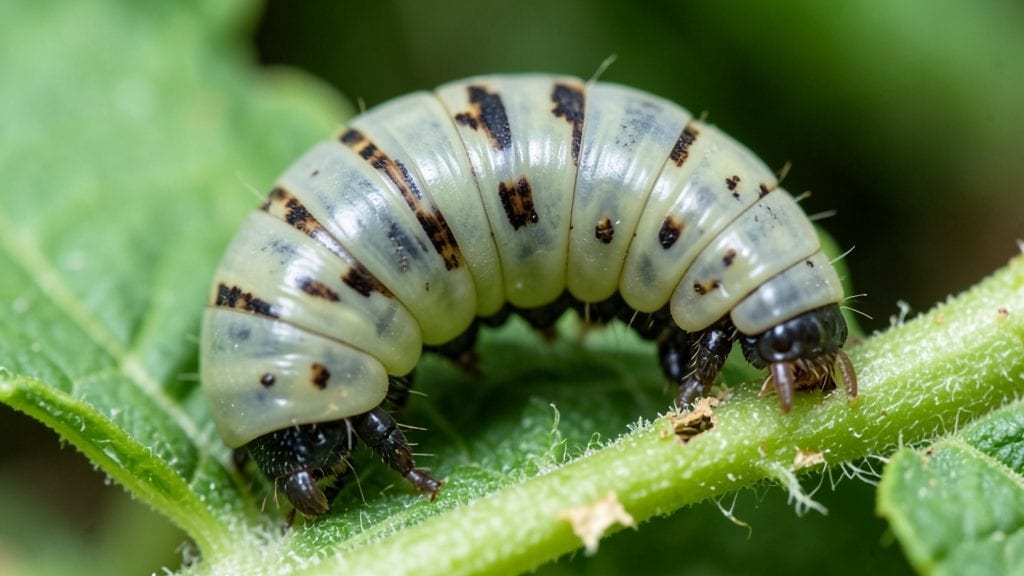
My garden’s nightly disappearance act was caused by harmful garden worms—cutworms slicing stems at soil level, grubs munching roots overnight, and slugs leaving silvery trails on hosta leaves.
I thought I was losing my mind until I spotted the culprits under a flashlight, and that’s when I realized these pests don’t just nibble—they sabotage entire harvests in days.
The good news? You can outsmart them without poisoning your soil or breaking your back. I’ve tested everything from nematodes that hunt grubs alive to beer traps for slugs (yes, it works), and even a simple trick with cardboard that cuts cutworm populations by 80% in a week.
The key is acting fast—once damage starts, it’s already too late for some plants.
By the end of this, you’ll spot the difference between helpful worms and destructive invaders in seconds, know exactly where to look for signs (like frass piles or wilting seedlings), and have a toolkit of methods that actually work—no harsh chemicals required.
Your garden’s future depends on catching them early, and I’ll show you how.
Whether you’re dealing with a first-time infestation or a recurring battle, these solutions adapt to any garden size or climate. The secret isn’t brute force—it’s understanding their patterns and hitting them at the right moment. Let’s get those worms under control for good.
📚 In This Guide
- What you need
- Instructions
- Tips and common mistakes
- Wrapping up and next steps
What you need
- ● Garden gloves (1 pair) – Heavy-duty, chemical-resistant gloves to protect your hands.
- ● Trowel or hand fork – A sturdy, 6-8 inch tool for digging and inspecting soil.
- ● Garden rake – A medium-sized rake (8-12 inches) for loosening soil and removing debris.
- ● Spray bottle (16 oz) – For applying targeted treatments like soapy water or organic sprays.
- ● Diatomaceous earth (food-grade) (1-2 lbs) – A natural, non-toxic powder to deter worms and other pests.
- ○ Beneficial nematodes (optional, 1-5 million per 1,000 sq ft) – Microscopic predators that target harmful worms without harming plants.
- ● Neem oil or insecticidal soap (8-16 oz) – Organic sprays to disrupt worm life cycles (follow label instructions).
- ● Garden twine or mesh netting – For creating barriers to prevent reinfestation (e.g., around young plants).
- ● Bucket or wheelbarrow – For collecting debris, soil, or worms you’ve removed.
- ○ Magnifying glass (optional) – Helps identify worm species and damage up close.
- ● Check the weather forecast—avoid treating gardens during heavy rain (🌧️) or extreme heat (🌡️).
- ● Wear protective eyewear if using sprays to prevent irritation.
- ● Test a small area first if using chemical-free methods to ensure compatibility with your plants.
- ● Have a backup plan for disposing of collected worms (e.g., burying them far from your garden or using them as fish bait).
Step-by-step guide to identifying and removing harmful garden worms
Here’s how to spot destructive worms and eliminate them without harming your soil or plants.
Identify the Worm and Assess the Damage
First, examine the worm closely. Harmful varieties like cutworms or grubs have distinct features: cutworms are smooth, dark, and curl into a C-shape when disturbed, while grubs are plump, white, and wiggle vigorously. Check for signs of damage—wilting seedlings, hollow stems, or surface tunnels in the soil. These clues help you target the right treatment.
Dig around the base of affected plants to find the worms. Look for their telltale trails or chewed leaves. If you spot small, shiny beetles near the soil, their larvae (grubs) are likely the culprits. Note the worm’s size and location—this determines whether you’ll need surface or deep soil intervention.
Remove Cutworms or Surface-Dwelling Worms
For cutworms or worms crawling on the soil surface, act quickly at dusk when they’re most active. Use a flashlight to spot their dark, segmented bodies near plant stems. Gently grasp them with gloved hands or a damp paper towel and drop them into a bucket of soapy water to kill them instantly.
If you’re dealing with a large infestation, repeat this process for 3-5 consecutive evenings. Check the soil surface after rain, as moisture brings worms out of hiding. Avoid using chemical sprays here—manual removal is the safest method for surface-dwelling pests.
Treat Grubs or Deep-Burrowing Worms
For grubs or worms burrowing deep in the soil, focus on organic or targeted solutions. Sprinkle diatomaceous earth lightly around the base of plants—it dehydrates the worms without harming beneficial soil organisms. Reapply after rain, as moisture washes it away. Alternatively, use beneficial nematodes, microscopic predators that seek out and kill grubs naturally.
Apply nematodes in the early evening when the soil is moist but not soggy. Water the area thoroughly afterward to help them move deeper into the soil. This method takes 2-3 weeks to show results, so be patient and monitor for improvement.
Prevent Future Infestations
Break the worm life cycle by removing debris and weeds where they overwinter. Till the soil in early spring to expose and dry out pupating grubs. Planting marigolds or nematode-attracting flowers like alyssum can deter pests naturally. Avoid overwatering, as excess moisture encourages worm activity.
For long-term protection, rotate crops annually and practice good garden hygiene. Inspect new plants before transplanting, as worms can hitch a ride on roots. If you notice repeated issues in the same spot, consider amending the soil with compost or organic matter to encourage beneficial predators like ground beetles.
Tips & tricks for identifying and removing harmful garden worms
These practical tips will help you tackle worm infestations effectively while protecting your garden's health.
Timing is Everything: The key to catching cutworms is acting at dusk when they're most active. I've found that using a flashlight at this time reveals their dark, segmented bodies clearly against the soil. If you're dealing with a large infestation, consistency matters—stick to the 3-5 consecutive evenings plan. I learned this the hard way after missing a few nights and seeing the worms return stronger.
Visual Identification Tricks: When examining worms, pay attention to their behavior as much as their appearance. Cutworms will curl into a C-shape when disturbed, while grubs will wiggle vigorously. I always check for these telltale signs before deciding on treatment. For grubs, look for their plump, white bodies and the small, shiny beetles they'll eventually become—this helps you target the right organic solutions.
Organic Treatment Application: For diatomaceous earth, I've found that a light sprinkle around plant bases works best—too much can harm beneficial soil organisms. Reapplying after rain is crucial because moisture washes it away. When using beneficial nematodes, timing matters: apply them in the early evening when soil is moist but not soggy, then water thoroughly to help them penetrate deeper. This method takes patience—2-3 weeks to show results—but it's worth it for long-term soil health.
Prevention Strategies: Breaking the worm life cycle starts with good garden hygiene. I always remove debris and weeds where worms overwinter, and I've noticed a significant reduction in problems after tilling soil in early spring. Planting marigolds or alyssum around vulnerable plants acts as a natural deterrent, and I've seen fewer worm issues in areas with these companion plants. Rotating crops annually has also made a noticeable difference in my garden's overall health.
Pro Tips for Harmful Garden Worms
- These practical tips will help you tackle worm infestations effectively while protecting your garden's health.
- Timing is Everything: The key to catching cutworms is acting at dusk when they're most active.
- Visual Identification Tricks: When examining worms, pay attention to their behavior as much as their appearance.
Frequently asked questions
Got questions about harmful garden worms?
Here are some of the most common concerns—and practical solutions—to help you tackle the issue safely and effectively.
What are the most common harmful worms in my garden?
Cutworms, grubs (like Japanese beetle larvae), and slugs are among the worst offenders. Cutworms slice stems at soil level, while grubs chew roots, causing wilting plants. Slugs leave slimy trails and irregular holes in leaves. Pro tip: Check for damage at dusk when pests are most active!
When is the best time to treat harmful worms?
Act fast! Treat in early spring (before eggs hatch) or late summer (after harvest) for grubs. For cutworms, monitor after dark with a flashlight—remove them immediately. Slugs thrive in damp weather, so water early in the day to reduce hiding spots.
Are chemical pesticides safe for my garden long-term?
Not always. Harsh chemicals can harm beneficial insects, disrupt soil microbes, and contaminate groundwater. Opt for organic solutions like neem oil, diatomaceous earth, or nematodes. Pro tip: Handpick pests (especially cutworms) at night for immediate relief!
What natural alternatives work best for worm control?
- Beer traps: Bury a shallow dish filled with beer to drown slugs overnight.
- Copper barriers: Slugs avoid copper—wrap it around vulnerable plants.
- Beneficial nematodes: Microscopic worms that target grubs without harming plants.
- Hand removal: Check under mulch or leaves for cutworms and dispose of them.
How do I know if my plants are dying from worms vs. other pests?
Worms leave distinct clues:
- Grubs: Wilting, yellowing leaves (roots chewed).
- Cutworms: Cleanly severed stems at soil level.
- Slugs: Slimy trails and ragged leaf edges.
Wrapping up and next steps
Identifying and managing harmful garden worms doesn’t have to be a daunting task—with the right knowledge and eco-friendly methods, you can protect your garden while keeping soil healthy. 🌱 From recognizing pests like cutworms or grubs to using natural remedies or targeted interventions, you’ve got the tools to act confidently. Start small: inspect your garden regularly, and take action at the first sign of trouble.
Your green space will thank you!
Ready to take the next step? Pick one method from this guide and test it this weekend—your plants (and future harvests) will be happier for it!