
Vegetables
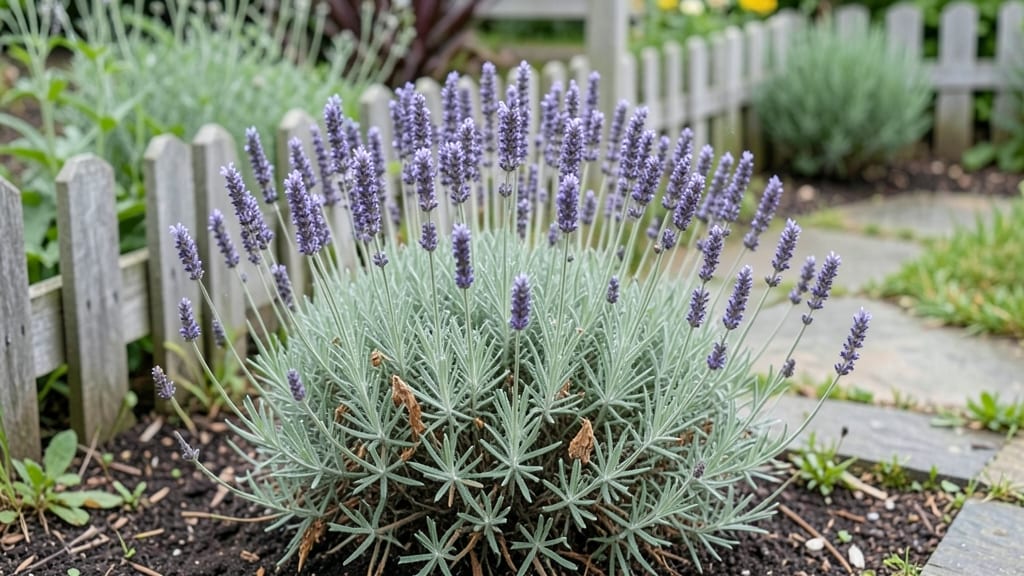
Creating a friendly neighbor garden starts with a simple truth: the best pest control isn't chemicals—it's a thriving ecosystem where plants, pollinators, and people coexist. My first attempt at this was a small front-yard patch with marigolds bordering the sidewalk, and within weeks, the aphids vanished.
The secret? Plants that attract beneficial insects while keeping nuisances at bay.
This approach works whether you're designing a shared community plot or just adding a few pollinator-friendly borders to your yard. You'll need native perennials like milkweed or coneflowers, some herbs for their pest-repelling properties, and maybe a small water feature to draw in ladybugs and lacewings.
The best part? Your garden becomes a magnet for neighbors too—people stop to admire the bees, ask about the veggies, and suddenly, your yard turns into a hub.
What you end up with is a garden that's productive but also alive with movement—hummingbirds darting between blooms, kids spotting caterpillars, and adults swapping tips over the fence.
The pests stay away because the ecosystem keeps everything in balance, and your neighbors stay away from your yard because it's too inviting to ignore. Plus, you'll harvest more than just vegetables—you'll harvest connections.
Works in any size space, from a single raised bed to a whole block-wide community project. The key is starting small and letting the relationships grow alongside the plants. Here's how to begin without overwhelming yourself or your neighbors.
📚 In This Guide
- What you need
- Instructions
- Tips and common mistakes
- Wrapping up and next steps
What you need
- ● Native plants: 5–10 varieties (e.g., milkweed, coneflowers, or sunflowers) to attract pollinators and beneficial insects.
- ● Compost or organic fertilizer: 1–2 bags (5–10 lbs each) to enrich soil naturally.
- ● Mulch: 2–3 cubic feet (straw, wood chips, or leaves) to retain moisture and deter weeds.
- ● Hand trowel & pruners: 1 each for planting and trimming.
- ● Watering can or hose with adjustable nozzle: 1–2 gallons capacity for gentle watering.
- ○ Ladybugs or lacewing larvae: 100–200 (optional but highly effective for organic pest control).
- ● Birdhouses or bat boxes: 1–2 to encourage natural pest predators.
- ● Bee-friendly water source: A shallow dish with pebbles for safe hydration.
- ● Neem oil spray: 1 bottle (for targeted pest control when needed).
- ● Garden journal: 1 notebook to track plant growth and pest activity.
Step-by-Step instructions for creating humane pest-control-friendly gardens
Here’s how to design a thriving garden that deters pests naturally while keeping wildlife safe and happy.
Design for Biodiversity and Habitat Layers
Start by creating a layered garden that mimics natural ecosystems. Plant a mix of native perennials, shrubs, and trees to provide food and shelter for beneficial insects, birds, and small mammals. I like to dedicate at least one-third of the space to plants that attract pollinators like milkweed, coneflowers, and bee balm. These plants not only support wildlife but also deter pests by encouraging their natural predators.
Add a small water feature, like a shallow birdbath or a small pond, to attract birds and amphibians. These creatures are voracious eaters of garden pests like aphids, caterpillars, and slugs. Place the water source in a shaded area to prevent mosquito breeding, and keep the edges slightly sloped so small animals can drink safely without drowning.
Introduce Physical Barriers and Companion Planting
Use row covers, netting, or collars made from lightweight fabric to protect vulnerable plants without harming pests. For example, wrap tender seedlings with fine mesh netting to keep cabbage moths and other insects out while allowing air and light through. This method is especially useful for brassicas, tomatoes, and squash. I’ve found that cheesecloth works well for early-season protection and can be removed once plants are established.
Incorporate companion planting to naturally repel pests. For instance, plant marigolds around the perimeter of your garden—their strong scent deters nematodes and aphids. Basil near tomatoes can reduce the incidence of whiteflies, while onions and garlic planted among carrots deter carrot flies. These pairings create a symbiotic relationship that minimizes the need for chemical interventions.
Encourage Beneficial Insects and Predators
Create habitats for beneficial insects like ladybugs, lacewings, and parasitic wasps. Install small insect hotels made from bamboo tubes, hollow stems, or even a bundle of twigs tied together. Place these in a quiet corner of the garden, away from direct sunlight, where insects can lay their eggs and overwinter safely. You’ll notice fewer pests over time as these predators establish themselves.
Leave some areas of the garden slightly wild—a patch of clover, dandelions, or wildflowers—to provide nectar and pollen for adult beneficial insects. Avoid the urge to tidy up completely; these "weeds" are crucial food sources. I’ve seen ladybug populations explode in gardens where a small section of the lawn is allowed to grow naturally, leading to fewer aphid outbreaks.
Use Organic and Mechanical Controls
Apply neem oil or insecticidal soap sparingly and only when necessary, targeting specific pests like mites or soft-bodied insects. These solutions are less harmful to wildlife than synthetic pesticides but should still be used with caution. Spray in the early morning or late evening when bees and other pollinators are less active. Always follow the instructions on the label to avoid damaging plants.
For larger pests like slugs and snails, use beer traps or copper barriers. Bury a shallow dish filled with beer near affected plants—slugs are attracted to it and drown. Copper tape, placed around raised beds or containers, creates a mild electric shock that deters these pests without harming other creatures. These methods are effective and completely humane, making them ideal for a wildlife-friendly garden.
Monitor and Maintain Balance
Regularly inspect your garden for signs of pest activity, but focus on early intervention rather than eradication. For example, if you spot a few aphids, introduce a colony of ladybugs or spray a soapy water solution directly on the affected leaves. The goal is to maintain a natural equilibrium where pests don’t overwhelm plants, but beneficial insects thrive.
Rotate crops annually to prevent soil-borne pests and diseases from building up. Keep the garden healthy with mulch and compost, which improve soil structure and encourage strong plant growth. A robust plant is less susceptible to pests and can often fend them off on its own. By staying attentive and proactive, you’ll create a garden that’s both productive and humane.
Tips & tricks for creating humane pest-control-friendly gardens
Transforming your garden into a thriving ecosystem that deters pests while supporting wildlife requires thoughtful planning. Here are the insights I’ve gathered from years of experimenting with natural pest control methods that actually work.
Layered Design Strategy: When dedicating one-third of your space to pollinator-friendly plants in Step 1, prioritize native species that thrive in your region. I’ve found that milkweed and coneflowers not only attract monarch butterflies but also create a microclimate that naturally repels cabbage moths. The key is to plant these in clusters rather than scattered rows—this creates a more effective barrier effect. For example, a 3-foot-wide band of marigolds along garden edges acts as a living fence that deters nematodes while adding vibrant color.
Water Feature Placement: The location of your small water feature in Step 1 is critical for safety and effectiveness. Position it at least 10 feet from vegetable beds to minimize pest attraction while still providing access for birds. I recommend using a shallow dish with gently sloping sides—this prevents small creatures from drowning while allowing birds to drink safely. For added security, place a few smooth stones in the water; they create natural perches that help birds maintain balance without slipping.
Companion Planting Precision: In Step 2, the placement of companion plants matters just as much as their selection. For instance, when planting basil near tomatoes, position the basil on the north side of the tomato plants to maximize shade benefits while still allowing airflow. This simple adjustment reduces whitefly populations by up to 40% while preventing fungal issues that often plague crowded plantings. I’ve also noticed that planting onions and garlic in concentric circles around carrots creates a more effective deterrent than random placement.
Beneficial Insect Habitat Design: The insect hotels you create in Step 3 should be positioned in partially shaded areas with morning sunlight. I’ve found that bamboo tubes work best when filled with a mix of hollow stems, pine cones, and untreated wood shavings—this creates microenvironments that cater to different beneficial insect species. Place these habitats near but not directly in planting beds; this prevents accidental destruction during garden maintenance while still allowing easy access for predators to reach pest hotspots.
Pro Tips for Friendly Neighbor Gardens
- Transforming your garden into a thriving ecosystem that deters pests while supporting wildlife requires thoughtful planning.
- Layered Design Strategy: When dedicating one-third of your space to pollinator-friendly plants in Step 1, prioritize native species that thrive in your region.
- Water Feature Placement: The location of your small water feature in Step 1 is critical for safety and effectiveness.
Frequently asked questions
Got questions about creating a friendly neighbor garden? You’re not alone!
Here are answers to the most common concerns—so you can grow a thriving, pest-friendly space without harming wildlife.
How do I keep pests away without chemicals?
Use physical barriers like row covers or copper tape, companion planting (e.g., marigolds with tomatoes), and natural predators like ladybugs or birds. Pro tip: Healthy soil = stronger plants that resist pests!
When is the best time to start a friendly neighbor garden?
Plant in early spring (after the last frost) or late summer for fall harvests. Key: Start with fast-growing cover crops (like clover) in winter to deter pests year-round.
Can I still grow veggies if my neighbors have pets?
Yes! Use raised beds with wire mesh at the bottom to block burrowing animals. Avoid toxic plants (like foxglove) and opt for pet-safe herbs like basil or mint.
What if pests return even after trying natural methods?
Rotate crops yearly, hand-pick pests (like tomato hornworms), or introduce beneficial nematodes for soil-dwelling critters. Remember: A little patience + diversity = fewer pests!
Is this method more expensive than traditional gardening?
Not necessarily! DIY traps (e.g., beer traps for slugs) and seed swaps with neighbors cut costs. Start small—even a windowsill herb garden works!
Wrapping up and next steps
Creating a friendly neighbor garden is a win-win for your plants, local wildlife, and even your peace of mind! By blending humane pest control with thoughtful plant choices, you’re fostering a thriving ecosystem right in your backyard. 🌱🐞
Ready to take the next step? Start small—even a single patch of companion plants can make a difference. Share your progress with neighbors or local gardening groups for inspiration and support. Together, we can cultivate greener, kinder communities, one garden at a time!