
Tools
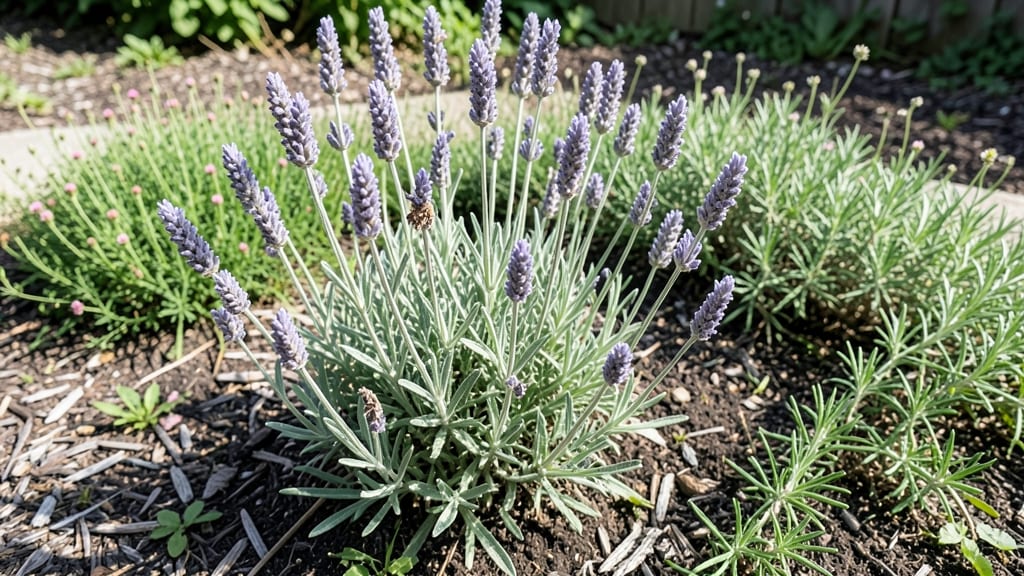
A flowering herb garden transforms your yard into a fragrant, buzzing oasis where bees and butterflies outnumber weeds. 🌿 I designed mine after realizing my regular herb garden felt sterile—until I swapped out a few plants for pollinator magnets like borage and calendula.
The difference? Instant color, better yields, and a kitchen that smells like summer all year.
The secret lies in pairing classic herbs with their flowering cousins: lavender beside thyme, rosemary with marigolds, and mint near bee balm. You’ll need full sun for most herbs (6+ hours daily), well-draining soil, and a layout that groups plants by water needs.
Start small—a 3’x3’ bed works for beginners—and let the pollinators do the rest.
By summer’s end, you’ll harvest fragrant herbs while watching bees dance between blooms. The flowers extend your harvest season—calendula petals taste like mild pepper, and borage blossoms add a cucumber zing to salads. Even the soil improves as roots break up compacted earth.
Works for cottage gardens, modern containers, or a pollinator-friendly border. The key? Let the herbs mingle naturally—no rigid rows needed. Here’s how to blend beauty and function without losing either.
📚 In This Guide
- What you need
- Instructions
- Tips and common mistakes
- Wrapping up and next steps
What you need
- ● Seeds or young plants: Choose fragrant, pollinator-friendly herbs like lavender, rosemary, thyme, borage, or bee balm. Start with 5–10 plants for a small garden or 20+ for larger spaces.
- ● Well-draining potting mix: 1–2 cubic yards (or pre-mixed herb/flower soil blend). Avoid heavy garden soil—herbs hate soggy roots!
- ● Containers or garden bed: Containers: 5–10-gallon pots with drainage holes (1 per plant or shared for small herbs like chives).
- ● Garden bed: Sunny spot (6+ hours of light) with loose, fertile soil. Raised beds are ideal!
- ● Hand trowel (for planting/seeding).
- ● Garden gloves (to protect hands from prickly stems like borage).
- ● Watering can or hose with gentle spray (herbs dislike heavy water pressure).
- ● Pruning shears (for trimming spent blooms or overgrowth).
- ● Organic mulch (straw or shredded leaves, 1–2 inches) to retain moisture and deter weeds.
- ● Compost or slow-release fertilizer (like worm castings) for nutrient-boosting.
- ● Pollinator-friendly markers (to label herbs and attract bees!).
- ● Drip irrigation kit (for low-maintenance watering).
- ● Sunlight meter (to ensure your garden gets enough light).
Step-by-Step guide to designing a pollinator-friendly flowering herb garden
Here's how to create a fragrant, perennial herb garden that thrives while supporting local bees and butterflies.
🌱 Step 1: Select Pollinator-Friendly Herb Varieties
Choose herbs known for their flowers and fragrance—lavender, bee balm, borage, and anise hyssop are top performers. I always include at least 3 different types to ensure continuous blooms from spring through fall. Lavender attracts bees with its purple spikes, while borage's star-shaped flowers draw hummingbirds.
Check your local climate zone to pick varieties that thrive in your area. For example, Russian sage handles drought better than lemon verbena, which prefers consistent moisture. Mix heights—tall varieties like lavender at the back, medium like bee balm in the middle, and low-growing thyme or oregano in front.
☀️ Step 2: Choose the Perfect Sunlit Location
Most flowering herbs need 6-8 hours of direct sun daily for best performance. I scout locations in late afternoon when shadows are longest—this helps me see where sunlight lingers. Avoid spots where trees or buildings block light for more than 2 hours at midday.
South-facing gardens get the most sun, but west-facing spots work too if you add 1-2 extra hours of light with reflective surfaces like light-colored walls or mulch. Test your site for 2 weeks before planting by placing a white plate where you plan to garden—if it stays dry, you have enough sun.
🪴 Step 3: Prepare the Soil for Fragrant Growth
Flowering herbs thrive in well-draining soil with a pH between 6.0 and 7.5. I mix 3 gallons of compost into the top 6 inches of soil for each 4-square-foot section. This improves drainage while providing nutrients for strong root development.
Break up any compacted soil with a garden fork—herb roots need room to spread. If your soil is heavy clay, add 1 part perlite or coarse sand to 3 parts soil to improve aeration. Test moisture by squeezing a handful—it should hold together but not be sticky.
🌿 Step 4: Plant with Pollinator Pathways in Mind
Arrange plants in clusters of 3-5 with 12-18 inches between each plant, leaving 2-3 feet between clusters. This creates landing zones for bees while allowing air circulation. I always plant a few extra herbs—pollinators love variety!
Dig holes twice as wide as the root ball but only as deep as the container. Gently loosen roots if they're circling, then backfill with native soil. Water immediately after planting to settle the soil and remove air pockets. Mulch with 1-2 inches of organic mulch (like straw or shredded leaves) to retain moisture and suppress weeds.
💧 Step 5: Water and Maintain for Continuous Blooms
Water newly planted herbs deeply every 2-3 days until established, then reduce to 1 inch per week once roots are settled. I check moisture by sticking my finger 1 inch into the soil—if it's dry, it's time to water. Overwatering causes root rot, especially in heavy clay soils.
Deadhead spent flowers regularly to encourage more blooms. For lavender, I trim back one-third of the plant after flowering to maintain shape. Fertilize lightly in spring with ½ cup of 10-10-10 fertilizer per 4-square-foot area. Avoid high-nitrogen fertilizers—they promote leafy growth at the expense of flowers.
Tips & tricks for perfect flowering herb gardens
Creating a thriving pollinator-friendly herb garden takes a few strategic moves that make all the difference between a pretty patch and a buzzing ecosystem.
Herb Selection Strategy: In Step 1, when choosing your pollinator-friendly herbs, consider adding catmint or calendula as optional companions—they extend your bloom season and attract even more beneficial insects. I've found that planting these alongside your core herbs creates a more diverse menu for pollinators. The key is maintaining that 3+ variety mix mentioned in the instructions, but don't be afraid to experiment with local native herbs too—they often thrive with less maintenance.
Sunlight Testing Hack: Before finalizing your location in Step 2, I recommend testing potential spots for 2 full weeks using the white plate method described, but take it a step further by checking at different times of day. Morning sun behaves differently than afternoon sun—some herbs like lavender actually prefer the intense afternoon rays. If you notice your test plate gets dry by midday, that's your ideal spot for sun-loving varieties.
Soil Prep Pro Tip: When amending your soil in Step 3, consider adding a handful of wood ash to raise pH slightly if your soil tests below 6.0. I've seen dramatic improvements in lavender growth when the pH hits that 6.0-7.5 range—just be cautious not to overdo it, as too much ash can make soil too alkaline. Also, if you're working with sandy soil, add 1 part peat moss to your soil mix to help retain moisture without compacting.
Planting Layout Secret: In Step 4, when creating those 3-5 plant clusters, I like to add a small dish of water near each cluster during the first week after planting. This creates a mini oasis that helps established plants while attracting thirsty pollinators. The 12-18 inch spacing between plants also gives you room to tuck in annual flowers like alyssum—they bloom quickly and fill gaps beautifully while providing early-season nectar.
Pro Tips for Flowering Herb Garden
- Creating a thriving pollinator-friendly herb garden takes a few strategic moves that make all the difference between a pretty patch and a buzzing ecosystem.
- Herb Selection Strategy: In Step 1, when choosing your pollinator-friendly herbs, consider adding catmint or calendula as optional companions—they extend your bloom season and attract even more beneficial insects.
- Morning sun behaves differently than afternoon sun—some herbs like lavender actually prefer the intense afternoon rays.
Frequently asked questions
Got questions about creating your own fragrant, pollinator-friendly herb garden?
Here are some of the most common ones—and their answers—to help you grow with confidence!
Which flowering herbs are easiest for beginners?
Start with lavender, thyme, rosemary, or borage—they’re hardy, drought-tolerant, and thrive in full sun. Mint and chives are also forgiving but can spread aggressively, so plant them in containers! For pollinators, bee balm and calendula are must-haves.
When is the best time to plant flowering herbs?
For most regions, spring (after the last frost) is ideal, but many herbs like lavender and rosemary prefer early fall planting to establish roots before winter. Perennials (like sage) can also be planted in late summer for a head start. Check your local frost dates!
How do I attract more pollinators to my herb garden?
Plant native wildflowers (e.g., coneflowers or black-eyed Susans) alongside herbs like basil or dill, which bees adore. Avoid pesticides, provide shallow water sources (like a saucer with pebbles), and let some herbs go to seed—pollinators love the extra resources!
Do flowering herbs need extra watering?
Most flowering herbs are drought-tolerant once established, but young plants need consistent moisture (about 1 inch per week). Mulch with straw or wood chips to retain soil moisture. Lavender and rosemary hate soggy roots, so ensure well-draining soil—amend with sand or gravel if needed.
What if my herbs aren’t flowering?
Check these fixes:
- Sunlight: Most herbs need 6+ hours of full sun daily.
- Pruning: Trim spent blooms (deadheading) to encourage more flowers.
- Fertilizer: Use a low-nitrogen, balanced fertilizer (like 5-5-5) in early spring.
- Age: Some perennials (like lavender) take 1–2 years to flower fully.
Can I grow flowering herbs in containers?
Basil, thyme, chives, and mint thrive in pots (5+ inch depth). Use well-draining soil with a mix of potting soil and perlite. Choose containers with drainage holes, and rotate them occasionally for even sun exposure. Just watch for root-bound herbs like rosemary—repot every 2–3 years!
Wrapping up and next steps
Creating a flowering herb garden isn’t just about adding beauty to your space—it’s a simple way to support pollinators, enhance your kitchen, and bring joy to your outdoor haven. 🌸 From fragrant lavender to vibrant borage, these perennials are low-maintenance yet packed with benefits.
Whether you’re a seasoned gardener or just starting out, every small step makes a difference.
Ready to dive in? Start small—pick one or two herbs to plant this season, and watch your garden (and your heart) bloom! What’s the first fragrant herb you’ll add?