
Pests
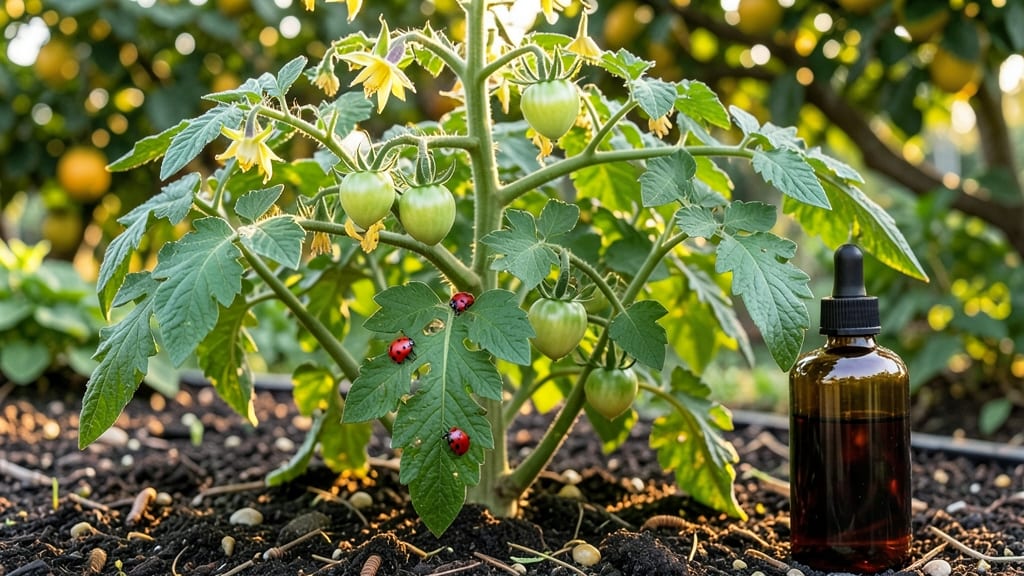
My garden’s first aphid invasion taught me that organic garden pest control isn’t just about spraying—it’s about outsmarting pests before they start.
The real breakthrough came when I swapped chemical sprays for layered defenses: companion plants that repel pests, physical barriers that block them, and targeted sprays only as a last resort. My kale stopped looking like Swiss cheese, and the bees kept visiting.
Here’s the game-changer: most pests hate the same things we love—diverse plants, healthy soil, and a little disruption to their party. You don’t need fancy tools; a strong stream of water, crushed eggshells, or even a sheet of cardboard can make all the difference.
The key is consistency—once you establish these barriers, pests get the message and move on.
By summer’s end, you’ll see fewer chewed leaves, more pollinators buzzing around, and plants that bounce back faster. The soil stays rich, the ecosystem stays balanced, and you skip the guilt of spraying chemicals.
This isn’t just about saving your plants—it’s about growing food that’s safer for your family and the critters that help your garden thrive.
Works for backyard plots, raised beds, and even container gardens—no matter your space, these methods adapt. Let’s get your garden back to its natural defenses, one barrier at a time.
Root Causes Of Garden Pests
Pests in your organic garden aren’t just random invaders—they’re drawn by specific conditions that make your plants look like an all-you-can-eat buffet. 🍽️ Understanding why they show up is the first step to stopping them naturally.
Let’s break down the science behind their behavior and how your garden might be unknowingly inviting them.
When plants are too close together or struggling, they send out distress signals—literally. Volatile organic compounds (VOCs) released by stressed plants act like a dinner bell for pests. For example:
- Cabbage worms and aphids target weak brassicas (like kale or broccoli) because their high nitrogen content becomes easier to digest when the plant is under stress.
- Root maggots thrive in damp, overcrowded soil where young seedlings can’t compete for nutrients, making them soft and tender targets.
- Fungal diseases (like powdery mildew) weaken plants, making them more attractive to spider mites and thrips, which feed on damaged tissue.
Actionable fix: Space plants properly, thin seedlings, and ensure they get enough sunlight and water to stay strong. Healthy plants naturally repel pests!
Soil isn’t just dirt—it’s a living ecosystem. When your soil lacks beneficial microbes, organic matter, or the right nutrients, pests take advantage. Here’s how:
- Grubs and cutworms flourish in soil with excess nitrogen (from fresh manure or synthetic fertilizers), which makes grass and young plants extra juicy.
- Slugs and snails are drawn to gardens with high moisture and decaying organic matter, especially if the soil lacks mycorrhizal fungi that help plants resist stress.
- Whiteflies and aphids infest plants that are phosphorus-deficient, as weak growth signals poor health to pests.
Science note: Pests often target plants with high sugar content (a sign of over-fertilization) or low tannins/alkaloids (natural pest-deterrents).
Actionable fix: Test your soil, add compost or worm castings, and use balanced organic fertilizers (like fish emulsion or kelp meal) to avoid nutrient spikes.
Pests aren’t just about what’s growing—they’re also about the environment. Certain weather patterns create the perfect pest paradise:
| Condition | Pests It Attracts | Why It Happens |
|---|---|---|
| Hot, dry weather | Spider mites, thrips, aphids | Drought-stressed plants produce more sugars to survive, making them sweeter targets. 🍬 |
| Cool, damp springs | Slugs, snails, fungal gnats | Moisture-rich soil and slow plant growth create ideal breeding grounds. |
| Stagnant water or mulch piles | Mosquitoes, fungus gnats, earwigs | Standing water is a breeding hotspot for pests with aquatic larvae stages. |
| Sudden temperature swings | Cabbage loopers, tomato hornworms | Fluctuations weaken plants’ defenses, making them easier prey. |
Actionable fix: Improve airflow with proper spacing, use mulch wisely (straw over thick layers of wood chips), and avoid overhead watering to keep foliage dry.
In a balanced ecosystem, pests are kept in check by beneficial insects, birds, and microbes. But if your garden lacks biodiversity, pests multiply unchecked. For example:
- Aphids explode when there aren’t enough ladybugs or lacewings to eat them.
- Caterpillars (like tomato hornworms) thrive when parasitic wasps are absent.
- Japanese beetles become a nuisance if tachinid flies (their natural predators) aren’t present.
Science note: Monoculture gardens (planting only one type of crop) remove the habitat diversity predators need to survive.
Actionable fix: Plant companion plants (like dill for wasps or marigolds for nematodes), add native flowering plants for pollinators, and avoid broad-spectrum pesticides that kill beneficials too.
By addressing these root causes—plant health, soil quality, environmental conditions, and ecological balance—you’ll create a garden that’s far less appealing to pests. The key? Prevention through resilience. 💪
Natural ways to outsmart garden pests
When pests invade your organic garden, the key is to act fast—but smart. 🚜 Instead of reaching for harsh chemicals, use these targeted, chemical-free solutions to protect your plants while keeping your garden thriving.
Below, we’ve mapped common culprits to their fixes, plus prevention tips to stop them before they start.
Cause: These sap-sucking pests cluster on new growth, leaving behind sticky honeydew (which attracts mold). Fix:- Blast them off 💦 – Use a strong stream of water from a hose to dislodge them. Repeat every 2–3 days.
- Introduce predators 🐞 – Ladybugs, lacewings, and parasitic wasps (like Aphidius colemani) love aphids. Buy them online or attract them with nectar-rich flowers (e.g., dill, fennel).
- Spray soapy water 🧼 – Mix 1 tsp mild castile soap in 1 quart of water. Spray directly on aphids (avoid beneficial insects).
- Set beer traps 🍺 – Bury a shallow dish filled with beer at ground level. Slugs crawl in and drown. Refresh every few days.
- Use copper barriers ⚡ – Copper tape or wire emits a mild electric shock when slugs touch it. Wrap it around vulnerable plants.
- Handpick at night 🌙 – Shine a flashlight after dusk and relocate slugs to a far corner of the garden (or feed them to chickens!).
- Sticky yellow traps 🎨 – Hang yellow sticky cards near affected plants. Whiteflies are drawn to the color and get trapped.
- Neem oil spray 🌿 – Mix 1 tbsp neem oil + 1 tsp mild soap in 1 quart of water. Spray undersides of leaves where they hide.
- Encourage parasitoid wasps 🐝 – These tiny wasps lay eggs inside whitefly larvae. Plant umbelliferous herbs (like cilantro) to attract them.
- Handpick daily 👨🍳 – Check undersides of leaves and drop worms into soapy water.
- Bacillus thuringiensis (Bt) spray 💊 – This organic bacteria kills caterpillars but is safe for humans and pets. Reapply after rain.
- Row covers 🧵 – Use lightweight fabric to block adult butterflies (their parents) from laying eggs.
- Rotate crops yearly to disrupt pest life cycles.
- Plant companion plants (e.g., nasturtiums repel aphids, onions deter carrot flies).
- Encourage diverse pollinators—more bees and birds mean more natural pest control.
- Overwatering—pests love damp soil. Water at the base, not overhead.
- Ignoring early signs (chewed leaves, holes). Act fast!
- Using chemical sprays—even "organic" ones can harm beneficial insects.
With these practical, chemical-free fixes, your garden will stay lush—and pests will think twice before crashing the party. 🎉 Start with one or two solutions, observe what works, and adjust as needed. Happy (pest-free) gardening!
Frequently asked questions
What’s the fastest way to get rid of slugs without harming beneficial insects?
Use copper tape barriers or beer traps. Wrap copper tape around vulnerable plants—slugs get a mild electric shock when they touch it. For traps, bury a shallow dish filled with beer at ground level; slugs crawl in and drown. Refresh the beer every 2-3 days for best results.
Can I use neem oil on edible plants before harvest?
Yes, but wait 3-5 days after spraying before harvesting. Neem oil is organic and safe, but its bitter taste can linger. Always test a small area first to ensure no sensitivity reactions in your plants. Avoid spraying when bees are active.
How do I know if my pests are actually harmful or just beneficial insects?
Look for damage clues: Holes in leaves (caterpillars), sticky residue (aphids), or chewed stems (cutworms). Beneficial insects like ladybugs, lacewings, and parasitic wasps don’t harm plants—they eat pests. If you see them, leave them be!
Will companion planting really work against pests?
Strategic pairings disrupt pest life cycles. For example, marigolds repel nematodes, basil deters thrips, and nasturtiums lure aphids away from your veggies. The key is diversity—mix flowers, herbs, and veggies to create confusion for pests.
What’s the best time of day to handpick pests like tomato hornworms?
Early morning or late afternoon when pests are sluggish. Check undersides of leaves—hornworms hide there. Drop them into soapy water immediately to prevent them from laying eggs. Avoid midday when pests are most active and hard to spot.