
Vegetables
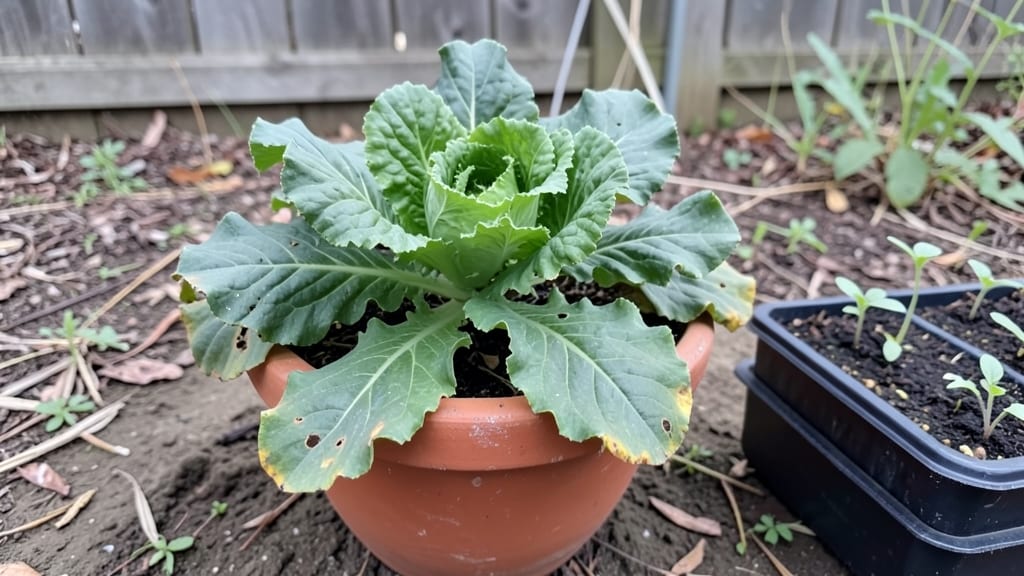
Balcony vegetable gardening for beginners starts with the right plants and containers—because you don’t need a yard to grow fresh tomatoes and herbs. 🌱 I’ve turned my tiny city balcony into a productive garden using just a few square feet and some basic supplies, and you can too.
The key is picking plants that thrive in containers and matching them to your sunlight, not trying to grow everything at once.
Start with easy winners like cherry tomatoes, lettuce, and basil—they forgive beginner mistakes and produce fast. You’ll need containers with drainage holes (5-gallon buckets work great) and lightweight potting mix designed for vegetables.
A south-facing spot gets the most sun, but even east or west balconies can grow greens and herbs with a little planning. Watering is the biggest challenge, but a simple routine of checking soil moisture daily keeps roots happy.
By mid-summer, you’ll be harvesting ripe cherry tomatoes straight from your balcony, crisp lettuce for salads, and fragrant basil for cooking. The best part? No weeds, no pests, and no digging—just fresh food grown in minutes a day.
Even if your space is small or shady, there’s a way to make it work. Let’s get those containers planted!
This method works for any balcony size, from studio railings to spacious decks. The same principles apply whether you’re in an apartment or a house with limited yard space. Here’s how to set it up without the overwhelm—so you can enjoy the harvest without the hassle.
Common Culprits Behind Garden Struggles
Balcony gardening is a rewarding way to grow fresh veggies, but even the smallest space can face challenges. Understanding why problems occur is half the battle—so let’s break down the science behind the most frustrating issues, from wilted leaves to stunted growth.
Extreme heat or sudden temperature swings can shock plants, causing wilting, yellowing, or even death. Here’s why it happens:
- Heat Stress: When temperatures exceed 85°F (29°C), many vegetables (like tomatoes and peppers) struggle to photosynthesize efficiently.
Their leaves may curl or scorch as excess water evaporates faster than roots can replace it. - Cold Shock: Below 50°F (10°C), growth slows, and sensitive plants (e.g., basil or lettuce) may develop blackened edges or mushy stems.
Frost can kill tender greens overnight. - Poor Air Circulation: Crowded pots trap heat, creating a microclimate that encourages fungal diseases like powdery mildew.
Actionable Fix:
- Use lightweight containers (like fabric grow bags) to prevent overheating.
- Move pots to shadier spots during peak afternoon sun.
- Choose heat-tolerant varieties (e.g., ‘Solar Fire’ peppers or ‘Black Seeded Simpson’ lettuce).
Water is life—or death—for balcony plants. Overwatering and underwatering both stem from poor drainage or inconsistent habits.
- Root Rot: If your pots lack drainage holes, excess water drowns roots, cutting off oxygen. Foul smells and mushy stems signal this silent killer. - Wilting & Crispy Leaves: Underwatering causes osmotic stress, where roots can’t absorb nutrients.
Plants may droop in the afternoon (a sign of thirst) or develop brown, papery edges. - Uneven Moisture: Drip irrigation or hand-watering can create dry pockets in soil, leading to blossom-end rot in tomatoes or split peppers.
Actionable Fix:
- Test soil moisture by sticking a finger 1 inch deep—water when dry.
- Use self-watering pots or wicking systems for consistency.
- Mulch with straw or coconut coir to retain moisture.
Balconies often get partial sun, and plants react poorly to inconsistent light.
- Leggy, Weak Stems: Plants like basil or herbs stretch (etiolation) toward light, becoming tall and spindly. This happens when they don’t get 6+ hours of direct sun. - Pale or Yellow Leaves: Chlorosis (yellowing) occurs when plants can’t produce enough chlorophyll due to low light.
Common in leafy greens (spinach, kale) if shaded by taller plants. - Slow Growth: Without enough light, photosynthesis grinds to a halt, stunting harvests.
Actionable Fix:
- Rotate pots weekly to ensure even light exposure.
- Use reflective surfaces (white walls, mirrors) to bounce light onto plants.
- Opt for low-light tolerant crops (e.g., ‘Outredgeous’ lettuce, ‘Cherry Belle’ radishes).
Balcony soil isn’t like garden soil—it’s often sterile, compacted, or lacking nutrients.
- Yellow Lower Leaves: Nitrogen deficiency (common in fast-growing veggies like beans) causes older leaves to yellow first.
- Purple Stems/Leaves: Phosphorus deficiency (seen in tomatoes) leads to deep purple tinges, slowing flowering and fruiting.
- Stunted Growth: Compacted or low-organic-matter soil lacks structure, making it hard for roots to expand.
Actionable Fix:
- Amend soil with compost, worm castings, or coconut coir before planting.
- Use slow-release fertilizers (like Osmocote) or liquid feeds (fish emulsion, seaweed extract) every 2–4 weeks.
- Test soil pH (aim for 6.0–7.0 for most veggies) with a cheap kit.
Even small spaces attract insects and pathogens that thrive in warm, humid conditions.
- Aphids & Spider Mites: These sap-suckers leave sticky residue (honeydew) and speckled leaves.
They multiply fast in crowded pots. - Fungal Issues (Powdery Mildew): White, powdery patches on leaves? High humidity + poor airflow create the perfect breeding ground. - Slugs & Snails: In humid climates, these pests munch on seedlings overnight, leaving irregular holes.
Actionable Fix:
- Inspect leaves daily (especially undersides) for early signs.
- Use neem oil or insecticidal soap for pests; copper tape deters slugs.
- Space plants 6–12 inches apart for airflow and remove debris to reduce fungal spores.
Small pots = restricted roots, which leads to stress and poor yields.
- Roots Circling the Pot: When roots grow in circles (a sign of being root-bound), they compete for nutrients, stunting growth.
- Top-Heavy Plants: Without deep roots, tomato plants or cucumbers may fall over or produce fewer fruits.
- Drought Stress: Shallow pots dry out too quickly, even if you water regularly.
Actionable Fix:
- Upgrade pots seasonally—move seedlings to 5–10 gallon containers as they grow.
- Use self-watering systems or drip irrigation for consistency.
- Prune roots gently when repotting to encourage outward growth.
Balconies are exposed—wind, drafts, and even accidental bumps can harm delicate plants.
- Broken Stems: Strong winds snap tender shoots (common in herbs like dill or cilantro).
- Leaf Scorch: Wind dries out leaves faster, causing brown, crispy edges.
- Pollination Issues: Bees and wind can’t reach flowers in isolated pots, leading to poor fruit set in tomatoes or peppers.
Actionable Fix:
- Group pots together to create a windbreak.
- Use small stakes or cages for tall plants (like tomatoes).
- Hand-pollinate flowers with a paintbrush if needed (gentle circles over blooms).
Pro Tip: 💡 Keep a gardening journal to track conditions (light, water, pests) and spot patterns. Often, the "problem" is a combo of factors—like overwatering and poor drainage!
Quick Fixes for Common Balcony Garden Woes
Balcony gardening is rewarding, but pests, poor growth, and space constraints can turn your green dreams into frustration. The good news? Most issues have simple, practical solutions—no green thumb required.
Below, we’ll tackle the most common problems with step-by-step fixes and prevention tips to keep your plants thriving without the stress.
Cause: Aphids, spider mites, or slugs love tender balcony greens, especially in humid or crowded spaces. Fix:
- 🔥 Spray with Soapy Water – Mix 1 tbsp mild dish soap with 1 quart water, spray directly on pests (test on a small leaf first).
- 🍳 Neem Oil Solution – Combine 1 tsp neem oil + 1 tsp castile soap + 1 quart water. Spray every 3–5 days to deter insects.
- 👨🍳 Handpick & Remove – For slugs or large pests, pluck them off early in the morning when they’re sluggish.
Prevention: ✨ Space plants 6–12 inches apart to reduce humidity and pest hiding spots. ✨ Use row covers (lightweight fabric) over containers to block flies and moths. ✨ Encourage natural predators like ladybugs or lacewings by planting marigolds or basil nearby.
Cause: Overwatering, underwatering, poor soil, or insufficient sunlight. Fix:
- 💧 Check Soil Moisture – Stick your finger 1 inch into the soil; if dry, water. If soggy, let it dry out for a day.
- ☀️ Adjust Light Exposure – Move containers to sunnier spots (6+ hours of sunlight for veggies like tomatoes/peppers).
- 🌡️ Refresh the Soil – If plants look stunted, repot with fresh well-draining potting mix (add perlite or compost for nutrients).
Prevention: 💡 Use self-watering pots or drip irrigation to maintain consistent moisture. 💡 Rotate pots weekly to ensure even sunlight exposure. 💡 Fertilize lightly every 4–6 weeks with a balanced organic fertilizer (like fish emulsion).
Cause: Overwatering, nutrient deficiency, or root rot. Fix:
- 🔪 Trim Damaged Leaves – Snip yellow/brown leaves with clean scissors to redirect energy to healthy growth.
- 🌱 Flush the Soil – Run water through the pot to remove excess salts (common with tap water).
- 🍽️ Feed with Epsom Salt – Dissolve 1 tbsp Epsom salt in a gallon of water and water plants once a month for magnesium boost.
Prevention: ✨ Water at the base (not overhead) to prevent fungal diseases. ✨ Ensure pots have drainage holes—no soggy roots! ✨ Test your water—if it’s hard (high in minerals), use rainwater or distilled water instead.
Cause: Extreme heat, cold drafts, or strong winds drying out plants. Fix:
- 🏠 Move Containers Indoors – On scorching days, bring heat-sensitive plants (like lettuce) into a shaded balcony or patio.
- 🧊 Use Shade Cloth – Drape lightweight fabric over pots to block 30–50% of sunlight during peak heat.
- 🌬️ Windbreaks – Place a trellis, bamboo screen, or even a cardboard barrier behind pots to shield from gusts.
Prevention: 🎯 Choose heat-tolerant varieties like Swiss chard, okra, or cherry tomatoes for hot climates. 🎯 Group pots together to create a microclimate that retains warmth. 🎯 Use mulch (straw or coconut coir) to insulate roots and retain moisture.
Cause: Too many plants in one pot or poor vertical growth. Fix:
- 🪜 Prune & Thin Out – Snip excess leaves or harvest smaller veggies (like radishes) to free up space.
- 🍅 Train Vines Upward – Use trellises or cages for tomatoes, cucumbers, or beans to save floor space.
- 🌱 Repot Strategically – Move fast-growing plants (like basil) to larger containers or share with neighbors.
Prevention: ✨ Plan your layout—group plants by sunlight needs (e.g., herbs in partial shade, peppers in full sun). ✨ Use hanging planters for trailing plants like strawberries or cherry tomatoes. ✨ Grow vertically with wall-mounted pockets or stacked pots.
Final Pro Tip: Keep a balcony garden journal to track what works (and what doesn’t). Note watering schedules, sunlight shifts, and pest patterns—your future self will thank you! 🌱✨
Frequently asked questions
What are the easiest vegetables to grow on a balcony?
Start with fast-growing, forgiving plants like cherry tomatoes, lettuce, basil, radishes, and green onions. These thrive in containers and produce harvests in 4-6 weeks. Herbs like parsley and cilantro also handle partial shade better than most veggies.
How much sunlight do balcony vegetables really need?
Most vegetables need 6-8 hours of direct sunlight daily, but greens like spinach and herbs can grow with 4-6 hours. South-facing balconies get the most sun, while east or west sides work for leafy crops. Use reflective surfaces (white walls, mirrors) to maximize light in shady spots.
Can I use regular garden soil in balcony containers?
No—garden soil compacts and drains poorly in containers. Use lightweight potting mix designed for vegetables, and amend with perlite or compost for better drainage. Avoid heavy garden soil to prevent root rot in confined spaces.
How often should I water my balcony plants? Check soil moisture daily—water when the top 1 inch feels dry. Most container plants need watering every 2-3 days in summer, but self-watering pots reduce frequency. Morning watering prevents fungal issues, and mulch helps retain moisture between waterings.
What's the best way to deal with pests on a small balcony?
Start with prevention: space plants 6-12 inches apart and use neem oil spray weekly. For aphids, blast them off with water. Slugs? Try copper tape barriers around pots. Companion planting (like marigolds) deters pests naturally without chemicals.