Companion Plants
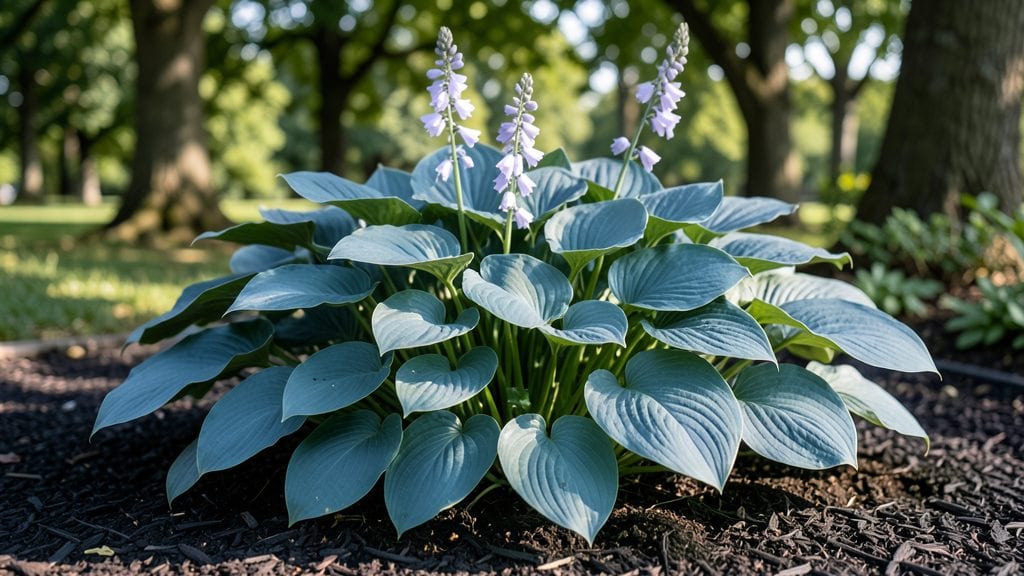
Shaded garden plants don’t mean giving up on lush, vibrant spaces—my shaded garden thrives with plants that turn dim corners into emerald retreats. 🌿 The secret lies in choosing the right foliage that loves filtered light, from hostas that grow like ground covers to ferns that dance in dappled sunlight.
I’ve transformed my north-facing yard into a year-round green sanctuary where nothing feels wasted.
Start with the basics: rich, well-draining soil mixed with compost, and a thick layer of mulch to keep moisture locked in. Pair hostas with astilbes for height, or tuck in shade-loving annuals like impatiens for bursts of color.
My go-to combo? A mix of heucheras (for their velvety leaves) and foamflower (tiny white blooms that last all summer). The key is layering textures—smooth, ruffled, and feathery—to create depth without needing sunlight.
By late spring, your garden will feel like a secret hideaway—soft, fragrant, and alive even when others’ plants wilt. The hostas will plump up, the ferns unfurl, and the astilbes will spike with pink or white plumes.
You’ll spend more time sitting among the greenery than admiring it, and that’s the real magic. Let’s get your shade garden growing.
Works for any low-light spot: under mature trees, along north-facing walls, or even on covered patios. The same principles apply—just swap out plants for your climate zone. My first year, I overplanted fast-growing annuals and ended up with a jungle.
Now, I balance perennials for structure with annuals for color, and the results last. Ready to bring the shade to life?
📚 In This Guide
- What you need
- Instructions
- Tips and common mistakes
- Wrapping up and next steps
What you need
- ● Shade-tolerant plants: 10–20 plants (e.g., Hostas, Ferns, Astilbes, Heucheras, or Impatiens), based on your garden size.
- ● High-quality potting soil: 5–10 bags (or 2–3 cubic yards for in-ground planting), rich in organic matter.
- ● Mulch: 2–3 bags of wood chips, bark, or pine straw to retain moisture and suppress weeds.
- ● Garden gloves: 1–2 pairs (waterproof for comfort).
- ● Hand trowel or transplant spade: 1–2 units (for digging small holes).
- ● Garden hose or watering can: 1 unit (with a spray nozzle for gentle watering).
- ● Pruners: 1 pair (bypass pruners for clean cuts).
- ● Slow-release fertilizer: 1–2 bags (e.g., osmocote or fish emulsion for nutrient boosts).
- ● Garden kneeler or pad: 1 unit (for comfort during planting).
- ● Shade cloth: 1–2 rolls (if your garden gets partial shade and needs extra protection).
- ● Decorative stones or edging: 1–2 bags (to define plant beds and add aesthetic appeal).
- ● pH testing kit: 1 unit (to ensure soil is ideal for your chosen plants).
Step-by-Step guide to creating a thriving shaded garden
Here's how to transform low-light spaces into vibrant, private retreats using plants that love shade.
🌱 Step 1: Choose the Right Shade-Tolerant Plants
Start by selecting plants that thrive in partial to full shade—think hostas, ferns, astilbes, and impatiens for color. I always check the mature size of each plant to ensure they'll create the privacy screen you want. For example, hostas grow 2-3 feet tall and spread 2-3 feet wide, making them perfect for filling in space quickly.
Group plants by their light needs: place deep shade lovers like heucheras under trees, while partial shade plants like coleus can handle a few hours of morning sun. This layering creates depth and ensures every spot gets the right conditions. I like to sketch a quick layout first to visualize how they'll fill the space over time.
🪴 Step 2: Prepare the Soil for Moisture Retention
Shade gardens often have damp, dense soil, so I mix 2-3 inches of compost into the top 12 inches of soil to improve drainage and aeration. This prevents root rot while keeping moisture where shade-loving plants need it. For heavier clay soil, add a 50-50 mix of potting soil and perlite to lighten it up.
Test your soil’s moisture level by pressing your finger 1 inch deep—if it feels damp but not soggy, you’re good. If it’s bone dry, your shade might be too bright, and you’ll need to adjust plant choices. I always water the soil thoroughly before planting to help roots establish faster in the moist environment.
☀️ Step 3: Plant with Strategic Spacing for Privacy
Space plants closer than their mature width to create a dense, lush screen quickly. For instance, if a plant matures at 2 feet wide, plant it 12-18 inches apart. This ensures foliage fills gaps faster, giving you privacy sooner. I like to plant taller varieties (like astilbes or ferns) at the back and spreading plants (like hostas or ajugas) in front for texture.
Dig holes twice as wide as the root ball but only as deep as the container’s base. Gently remove the plant, loosen roots if pot-bound, and place it in the hole. Fill with soil, firm lightly, and water deeply to eliminate air pockets. Mulch with 2-3 inches of shredded bark to retain moisture and suppress weeds—critical in shaded areas where grass struggles to grow.
💧 Step 4: Water Deeply and Adjust for Shade Needs
Water deeply once a week (or more in extreme heat) to encourage strong root growth. Shade plants often have shallow roots, so they rely on consistent moisture. Check soil 1 inch down—if it’s dry, water again. I use a soaker hose to deliver water slowly at the base, avoiding wetting leaves (which can cause fungal issues).
In the first 2-3 weeks, monitor plants closely. If leaves yellow or wilt, they might need more frequent watering. Once established, most shade plants are drought-tolerant but appreciate the occasional deep drink. I’ve found that morning watering prevents fungal diseases by letting foliage dry before evening humidity sets in.
✂️ Step 5: Maintain with Pruning and Seasonal Care
Prune spent flowers (like on impatiens) to encourage more blooms, and trim overgrown foliage in early spring to shape plants. I always use clean, sharp shears to avoid tearing leaves. For hostas and ferns, divide clumps every 3-4 years to rejuvenate growth—dig up the plant, split the root ball, and replant sections in fresh soil.
In fall, remove dead or diseased leaves and add a 1-inch layer of compost to nourish the soil for next season. Some shade plants, like heucheras, have stunning fall foliage, so I leave those until the first frost. Mulch again in late fall to protect roots from temperature swings—this keeps the soil consistently moist even in winter.
Tips & tricks for perfect shaded garden plants
Creating a lush shaded garden takes patience and a few strategic tricks to ensure your plants thrive where others might struggle.
Layering is Key: In Step 1, when grouping plants by light needs, I recommend adding a third layer of ground covers like ajugas or sweet woodruff to fill the lowest level. This creates a natural, multi-tiered look while preventing weeds from getting a foothold. The ground cover layer also helps retain moisture at the soil surface, which is critical for shallow-rooted shade plants.
Soil Prep Secrets: During Step 2, if your soil feels compacted, consider adding a handful of worm castings to the compost mix. Worms improve soil structure and add beneficial microbes that help roots absorb nutrients more efficiently. I've found this makes a noticeable difference in how quickly hostas and ferns establish themselves. The 12-inch deep amendment is especially important—it ensures roots have room to grow downward where moisture lingers.
Planting Precision: When following Step 3's spacing guidelines, I always mark planting locations with small stakes before digging. This prevents overcrowding and helps visualize how the mature plants will fill the space. For hostas specifically, I plant them slightly deeper than their container—about 1 inch deeper than the root ball—since they appreciate having their crowns buried. This simple adjustment helps prevent crown rot in heavy shade conditions.
Watering Wisdom: The deep watering routine in Step 4 works best if you water at the same time each week. I set a reminder for my weekly watering day and always do it in the morning. This consistency helps shade plants develop strong root systems that can reach deeper for moisture. If you notice wilting in the first 2-3 weeks, it's a sign to water more frequently—shade plants often need help establishing their shallow root networks during their critical first weeks.
Pro Tips for Shaded Garden Plants
- Creating a lush shaded garden takes patience and a few strategic tricks to ensure your plants thrive where others might struggle.
- Layering is Key: In Step 1, when grouping plants by light needs, I recommend adding a third layer of ground covers like ajugas or sweet woodruff to fill the lowest level.
- Soil Prep Secrets: During Step 2, if your soil feels compacted, consider adding a handful of worm castings to the compost mix.
Frequently asked questions
What are the best low-maintenance plants for deep shade?
For minimal effort but maximum impact, try hostas, ferns, and astilbes. These thrive in less than 4 hours of sunlight and handle moisture well. Hellebores (Lenten roses) are also drought-tolerant once established—perfect for woodland or north-facing spots.
How long does it take for shaded plants to establish?
Most shade-loving perennials (like heucheras or lungwort) take 1–2 growing seasons to fully fill in. Slow and steady wins the race! Annuals (e.g., impatiens) may bloom faster but require seasonal replanting. Patience pays off—think 3–5 years for a dense, privacy-boosting screen.
Do shaded plants need special watering?
Yes! Shady areas retain moisture longer, but roots still need consistent hydration—especially in containers or sandy soil. Water deeply 1–2 times per week (or daily in extreme heat). Mulch heavily (3–4 inches) to lock in moisture and protect roots from temperature swings.
Can I grow vegetables or herbs in shade?
Leafy greens (kale, spinach, lettuce)
, green onions, and mint love shade. For herbs, try cilantro, parsley, or chives. Avoid fruiting plants (tomatoes, peppers) unless you’re okay with smaller yields. Partial shade (morning sun + afternoon shade) works best for most edibles.
Why are my shaded plants yellowing or wilting?
Yellow leaves often signal overwatering or poor drainage—shady spots can get soggy fast. Check for:
- Root rot: Lift the plant; mushy roots = too much water.
- Pests: Slugs/snails love tender foliage—use beer traps or diatomaceous earth.
- Nutrient deficiency: Feed with slow-release fertilizer (like compost) in spring.
How can I add color to a shady garden?
Swap solely green for bold hues with:
- Purple: Heuchera (coral bells), Brunnera (Siberian bugloss)
- White/Pink: Hellebores, Astilbe, Japanese anemone
- Blue: Lungwort, Lobelia
Wrapping up and next steps
Creating a shaded garden filled with lush, year-round greenery is easier than you think! With the right shaded garden plants, you can transform even the dimmest corners into a vibrant, private retreat.
From hostas and ferns to heucheras and astilbes, these plants thrive in low light while adding texture, color, and life to your space.
Now that you’re armed with the best companion plants and care tips, it’s time to roll up your sleeves and get planting! Start small—maybe a single corner or a cozy nook—and watch your shaded garden flourish. Happy gardening! 🌿✨