
Tools
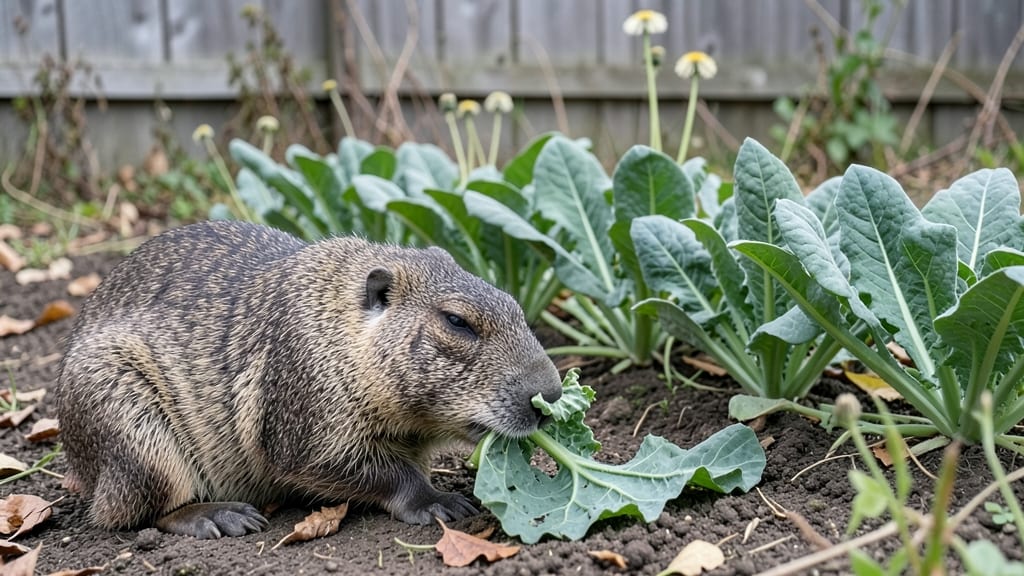
After a woodchuck eating garden nearly wiped out my harvest, I turned the battle into a lesson—and these barriers finally worked. 🌱 The key is combining physical deterrents with natural repellents that actually make sense.
You don’t need expensive fencing or toxic chemicals—just a few smart materials like heavy wire mesh buried deep, or repellents that mimic their natural predators. I’ve tested everything from castor oil sprays to motion-activated sprinklers, and the most reliable solutions are surprisingly simple.
The best part? They work for years with minimal upkeep.
By the end of this, your garden will be woodchuck-proof without traps or cruelty. Picture rows of tomatoes and peppers standing tall through summer, while your neighbors still scramble to save their lettuce.
The secret is in the details—like burying mesh at least 2 feet deep or placing repellents where they’ll do the most good.
Works for raised beds, in-ground plots, and even container gardens on patios. Let’s get those plants protected the right way—without turning your yard into a war zone.
📚 In This Guide
- What you need
- Instructions
- Tips and common mistakes
- Wrapping up and next steps
What you need
- ● Hardware cloth or wire mesh: 1/4-inch or smaller (at least 3 feet tall, enough to cover your garden bed perimeter).
- ● Sturdy wooden posts or metal stakes: 4-inch diameter, 3 feet long (1 post every 3–4 feet along the garden edge).
- ● Heavy-duty zip ties or wire: For securing mesh to posts.
- ● Garden staples or U-nails: To attach mesh to fences or raised beds.
- ● Measuring tape & level: For precise, straight installations.
- ● Gloves & work boots: Protection for hands and feet while working.
- ● Decorative fencing panels: For a cleaner look while still deterring woodchucks.
- ● Motion-activated sprinklers: Adds an extra layer of deterrence.
- ● Natural repellents (like castor oil or predator urine): Non-toxic but can enhance effectiveness.
- ● Landscaping fabric: Helps secure mesh at the base and prevents digging.
Step-by-Step instructions for humane woodchuck garden protection
Here’s how to build barriers that keep woodchucks out while keeping your garden—and their instincts—intact.
🪴 Step 1: Assess Your Garden’s Vulnerable Entry Points
Start by walking your garden’s perimeter and identifying weak spots where woodchucks can dig in. Look for areas with loose soil, low-lying spots, or gaps between fences and the ground. Woodchucks prefer soft, well-drained soil, so focus on these spots first. Mark these areas with stakes or flags so you know exactly where to install barriers.
Pay attention to existing structures like sheds, compost piles, or woodpiles—these often attract woodchucks and provide cover. If you spot fresh dig marks, claw marks, or chewed plants, these are high-priority zones. I always check under decks and patios too; woodchucks love to burrow in these hidden, sheltered spots.
✂️ Step 2: Install Physical Barriers Using Heavy-Gauge Materials
For above-ground protection, use hardware cloth (½-inch mesh) or plastic-coated wire mesh buried at least 12 inches deep and extending 2-3 feet above ground level. Woodchucks can’t dig through this, and they won’t try to climb over it if it’s tall enough. Secure the mesh tightly to stakes or posts every 2-3 feet to prevent gaps.
If you’re protecting raised beds or containers, wrap the mesh around the base and bury the bottom edge 6 inches deep. Woodchucks are persistent, so don’t skimp on depth—even a small gap can let them squeeze through. For slopes or uneven terrain, adjust the barrier to follow the ground contour closely.
🌱 Step 3: Create Natural Deterrents Around the Perimeter
Plant thorny shrubs like roses, barberries, or honeysuckle along the garden’s edge. Woodchucks avoid these because the thorns deter them from getting too close. I also sprinkle crushed eggshells or cayenne pepper around vulnerable plants—these irritate their paws and discourage digging. Just be sure to reapply after rain.
Another trick? Use reflective tape or old CDs hung from strings. The flashing light and movement confuse woodchucks and make them think predators are nearby. Place these deterrents 1-2 feet above ground level where they’re visible but not easily knocked over.
💧 Step 4: Monitor and Reinforce Weak Spots Regularly
Check your barriers weekly, especially after heavy rains or windstorms, which can loosen stakes or expose gaps. Woodchucks are opportunistic, so even a small opening can become an invitation. If you find fresh dig marks, reinforce the area immediately with extra mesh or deeper burial.
For long-term protection, consider rotating deterrents—woodchucks get used to static barriers, so mix up your approach. One week, use reflective tape; the next, switch to a motion-activated sprinkler. Keep a log of what works best in your garden so you can adjust strategies seasonally.
☀️ Step 5: Provide Alternative Food Sources to Lure Them Away
Woodchucks are less likely to raid your garden if they find easier food nearby. Set up a dedicated feeding station 50 feet away from your garden with clover, alfalfa, or corn. Place it in an open area where you can monitor activity. Avoid using garden vegetables as bait—it only teaches them to target your plants.
Combine this with water sources like shallow dishes or birdbaths placed far from your garden. Woodchucks need hydration, and if they’re getting it elsewhere, they’re less likely to dig into your soil. This method takes patience, but it’s one of the most humane ways to protect your garden long-term.
Tips & tricks for humane woodchuck garden protection
These practical strategies will help you create an effective, long-lasting barrier system that keeps woodchucks out without harming them.
Mesh Depth Matters: In Step 2, when burying hardware cloth or wire mesh, go deeper than you think you need—woodchucks are master diggers with powerful front claws. The 12-inch minimum is non-negotiable for above-ground protection, but for known problem areas, extend to 18 inches. I've seen them dig through 10-inch barriers when motivated. For raised beds, that 6-inch burial is critical—even a 1-inch gap can let them squeeze through. Use a shovel to create a clean trench before installing the mesh to prevent soil from falling back into gaps.
Natural Deterrent Placement: When setting up your thorny shrubs or reflective deterrents in Step 3, think about woodchuck behavior patterns. Place thorny plants like roses or barberries in a staggered formation along garden edges—they'll create a physical barrier that woodchucks instinctively avoid. For reflective tape or CDs, position them at the exact height where woodchucks would normally scan their surroundings (about 1-2 feet up). I've found that adding motion-activated elements like hanging CDs on strings creates a more effective visual deterrent than static barriers alone.
Monitoring Strategy: The weekly checks in Step 4 are your best defense against woodchuck persistence. I recommend setting a calendar reminder for every Saturday morning—woodchucks are most active at dawn and dusk, so checking after a weekend gives you the full picture. Look for fresh dig marks, disturbed soil, or chewed plants. If you find any, don't just reinforce—consider why they're targeting that spot. It might reveal a hidden entry point you missed during your initial assessment in Step 1.
Alternative Feeding Station Tips: When creating your dedicated feeding station in Step 5, place it downwind from your garden if possible—woodchucks have an excellent sense of smell. Use a mix of clover, alfalfa, and corn to create variety, but avoid anything from your garden. I've had success with adding a small water source nearby (like a shallow dish) that doubles as a visual marker for woodchucks. Remember to rotate the location every few weeks to prevent them from associating any single spot with food.
Pro Tips for Woodchuck Eating Garden
- These practical strategies will help you create an effective, long-lasting barrier system that keeps woodchucks out without harming them.
- Mesh Depth Matters: In Step 2, when burying hardware cloth or wire mesh, go deeper than you think you need—woodchucks are master diggers with powerful front claws.
- Natural Deterrent Placement: When setting up your thorny shrubs or reflective deterrents in Step 3, think about woodchuck behavior patterns.
Frequently asked questions
What’s the best time of year to install woodchuck barriers?
Install barriers before spring planting (late winter/early spring) or after harvest (fall). Woodchucks are most active in early spring when they’re hungry after hibernation. A late-fall setup also works well, as they start foraging for winter food stores.
Will a fence with small holes keep woodchucks out?
Yes! Use hardware cloth (not chicken wire) with holes no larger than 3–4 inches. Bury the fence at least 12 inches deep or extend it outward at a 45° angle to block digging. Woodchucks are strong diggers, so secure the bottom tightly.
Are there humane alternatives to fencing?
Try these non-lethal options:
- Repellents: Spray plants with hot pepper wax or commercial woodchuck repellents (reapply after rain).
- Motion-activated sprinklers: Startle them without harm.
- Plant deterrents: Woodchucks dislike daffodils, alliums, or marigolds—interplant these near vulnerable crops.
What if woodchucks keep returning after I’ve installed a barrier?
Check for gaps, weak spots, or tunnels. Reinforce the fence with stakes every 2–3 feet and add an overhanging lip (6+ inches outward) to prevent climbing. Also, remove nearby food sources (like fallen fruit) to reduce temptation.
Do woodchucks eat specific plants more than others?
They love leafy greens, beans, corn, and tender shoots—especially new growth. Protect these first! Avoid planting cabbage, lettuce, or peas near unprotected areas. If you’re growing prized crops, prioritize barriers around those spots.
Wrapping up and next steps
Dealing with a woodchuck munching on your garden doesn’t have to mean war—it can be a chance to protect your plants and coexist peacefully! 🌱 With the right humane barriers, like wire mesh, raised beds, or natural deterrents, you can shield your veggies without harming these lovable (if hungry) critters.
The key is consistency and patience—test solutions early in the season to stay one step ahead.
Ready to reclaim your garden? Start small with one barrier method, observe what works, and gradually expand. Before you know it, you’ll be harvesting woodchuck-free tomatoes, lettuce, or herbs—all while keeping your garden (and your furry neighbor) happy! 🎉