
Pests
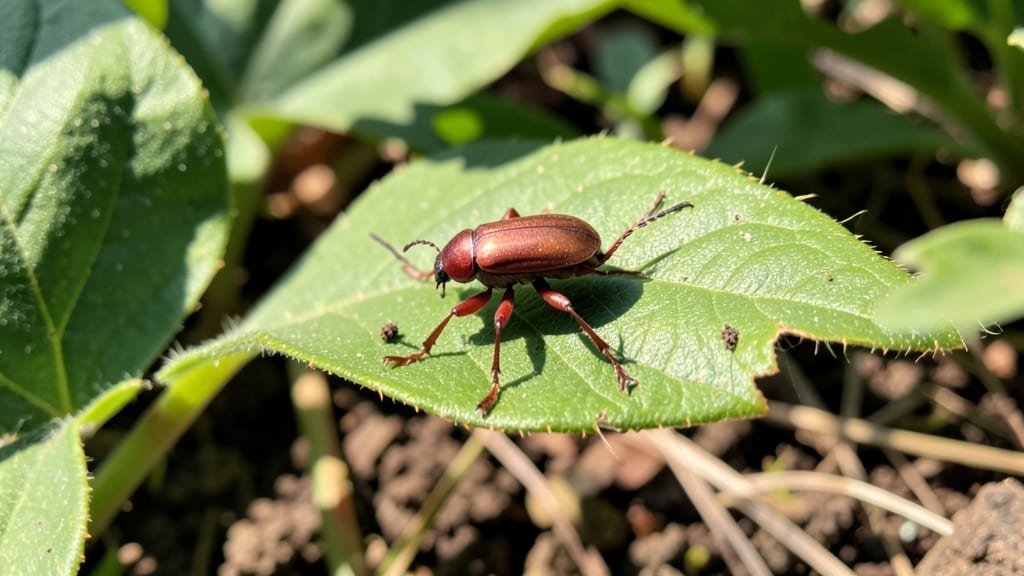
That first sight of bright red beetles munching your tomatoes taught me the hard way how fast they destroy gardens. 🌿 The moment I spotted those striped invaders, I knew my plants needed protection—fast.
These beetles aren’t picky; they’ll strip leaves, chew flowers, and leave your garden looking like a skeleton in weeks.
Most gardeners panic and reach for chemicals, but I learned the smarter way: natural barriers and early action. Handpicking works for small infestations, but for serious damage, neem oil or insecticidal soap becomes your secret weapon.
The key is acting before larvae hide in the soil—once they’re there, you’re fighting a losing battle.
By combining row covers, companion plants like marigolds, and regular inspections, you’ll keep your garden thriving without harsh sprays. The results? Healthy plants, fewer pests, and the satisfaction of knowing you protected your harvest the natural way. Let’s get your garden back on track.
This works for any garden size—whether you’re growing in raised beds, containers, or open soil. The same principles apply, and the payoff is worth the effort. Here’s how to turn the tide against those red beetles for good.
Root Causes Of Beetle Infestations
If your garden is suddenly overrun by beetles—especially the red variety—it’s not just bad luck. These pests don’t invade randomly; they’re drawn by specific conditions in your garden. Understanding the why behind their presence is the first step to creating a natural, beetle-resistant space.
Below, we break down the most common triggers, backed by science, so you can address them directly.
Beetles, particularly Colorado potato beetles or Japanese beetles, thrive in gardens where plants are packed too tightly. Why? Overcrowding creates:
- Moisture traps: Dense foliage holds humidity longer, creating ideal breeding grounds for beetle larvae.
- Limited predator access: Natural enemies like birds, ladybugs, and parasitic wasps struggle to navigate cramped spaces, leaving beetles unchecked.
- Stressed plants: Competition for nutrients weakens plants, making them more vulnerable to beetle feeding.
Actionable fix: Space plants according to their mature size (check seed packets for guidelines) and prune regularly to improve airflow. Mulch with straw or wood chips to deter beetles while keeping soil healthy.
Not all plants are equal in the eyes of beetles. Some are like all-you-can-eat buffets, while others act as natural repellents. Beetles target:
| Beetle Type | Favorite Plants | Why They Love It |
|---|---|---|
| Colorado Potato Beetle | Potatoes, tomatoes, eggplants, peppers | These plants contain glycoalkaloids, which beetles break down for nutrition—but humans and pets can’t. |
| Japanese Beetle | Roses, grapes, linden trees, raspberries | They’re drawn to volatile organic compounds (VOCs) like linalool and geraniol, which signal high-sugar, nutrient-rich leaves. |
| Flea Beetles | Leafy greens (spinach, lettuce), cruciferous veggies (kale, cabbage) | They prefer young, tender shoots with thin cell walls—easy pickings! |
Actionable fix: Avoid planting beetle magnets in large blocks. Instead, interplant them with repellent companions like:
- Basil (deters Japanese beetles)
- Garlic and chives (repel flea beetles)
- Marigolds (emit pyrethrin, a natural insecticide)
Beetles and their larvae need water to survive, but too much moisture in your garden can turn it into a beetle paradise. Here’s how:
- Waterlogged soil: Larvae (like those of the Mexican bean beetle) drown in saturated soil but thrive in consistently damp conditions.
- Fungal growth: Overwatering encourages slime molds and fungi, which some beetles feed on indirectly.
- Weakened plant defenses: Plants stressed by poor drainage produce less tannins (natural pest deterrents), making them easier targets.
Actionable fix:
- Improve drainage by amending soil with compost or perlite.
- Water deeply but infrequently—aim for 1–1.5 inches per week (including rain).
- Use raised beds in heavy-clay areas to prevent water pooling.
Beetles don’t rule gardens because they’re invincible—they’re often just outnumbered. A healthy garden ecosystem keeps beetle populations in check with:
- Birds (eat adult beetles)
- Ground beetles (devour larvae)
- Parasitic wasps (lay eggs in beetle grubs)
- Ladybugs (consume eggs and soft-bodied larvae)
When these predators vanish, beetles multiply unchecked. Common reasons for their absence:
- Pesticide use: Even "organic" sprays can kill beneficial insects.
- Monoculture planting: Large patches of one plant type offer no habitat diversity for predators.
- Lack of shelter: Predators need leaf litter, rocks, or dense ground cover to hide and hunt.
Actionable fix:
- Avoid broad-spectrum pesticides; opt for targeted sprays (e.g., neem oil for beetles only).
- Add predator-friendly plants like dill, fennel, or yarrow to attract beneficial insects.
- Leave some leaf litter or mulch in corners of the garden for overwintering predators.
Beetles are cold-blooded, meaning they’re highly sensitive to temperature. Gardens with:
- South-facing walls or fences (absorb heat)
- Thick mulch or dense plantings (retain warmth)
- Low-lying areas (trapped heat near the soil)
create perfect beetle nurseries. Many species, like the spotted cucumber beetle, time their life cycles to warm springs, emerging earlier in heated microclimates.
Actionable fix:
- Plant heat-loving repellents like thyme or oregano near susceptible crops—their strong scents deter beetles.
- Use light-colored mulch (e.g., gravel) to reflect heat instead of absorbing it.
- Prune plants to open up the garden and reduce trapped warmth.
Quick Fixes for Beetle Woes
Got unwanted beetles wreaking havoc in your garden? Don’t panic—these practical, no-fuss solutions will help you reclaim your green space fast. Below, we’ll tackle common beetle issues with cause-specific fixes, plus prevention tips to keep your garden thriving long-term. 🚜🌱
If you’re spotting shiny, colorful beetles (like Japanese beetles or June bugs) munching on leaves, act fast with these traps:
🔥 DIY Beer Trap (Works in 24 Hours)
- Why it works: Beetles are drawn to fermented scents—beer is a dead giveaway!
- How to do it: 1. Bury a plastic cup or jar in the soil near infested plants (rim even with ground level). 2.
Fill it with beer or apple cider vinegar (add a drop of dish soap to break surface tension). 3. Check daily and dispose of trapped beetles (don’t release them—they’ll just return!). - Pro tip: 💡 Place traps 20–30 feet apart for larger gardens to maximize coverage.
🍳 Handpick at Dawn or Dusk
- Best for: Japanese beetles (they’re slow in cool weather).
- How to do it: 1. Wear gloves and long sleeves (some beetles bite or sting). 2. Shake plants gently over a bucket of soapy water to dislodge beetles.
- Drop them in the bucket—they’ll drown instantly. - Pro tip: 🌡️ Work when temps are below 80°F—beetles are sluggish and easier to catch!
👨🍳 Neem Oil Spray (Organic Repellent)
- Why it works: Disrupts beetle feeding and reproduction without harming plants.
- How to mix:
- 1 tbsp neem oil + 1 tsp mild soap + 1 quart water
- Spray early morning or late evening (avoid direct sun).
- Reapply every 5–7 days until beetles vanish.
See chewed leaves, wilting plants, or tunnels in the soil? Grubs (larvae) are the culprits. Fix it with these soil-focused fixes:
🔪 Beneficial Nematodes (Natural Pest Control)
- Why it works: Microscopic worms kill grubs on contact—no chemicals needed!
- How to apply: 1. Buy heterorhabditis bacteriophora nematodes (available online or at garden centers). 2. Water soil lightly the day before application.
- Mix nematodes with water and pour onto soil in the evening (they die in sunlight).
- Water again to help them move into the soil. - Pro tip: ✨ Apply after rain or deep watering—nematodes need moisture to work!
🌡️ Milky Spore Treatment (Long-Term Grub Prevention)
- Best for: Japanese beetle grubs (takes 1–2 years to fully establish).
- How to use:
- Sprinkle milky spore powder over lawns/garden beds in early spring or fall.
- Water lightly to activate spores.
- Pro tip: 🎯 Works best in warm climates—check if it’s legal in your state first!
🔪 Manual Soil Aeration (For Small Gardens)
- Why it works: Exposes grubs to birds, toads, and predators.
- How to do it: 1. Use a garden fork or trowel to loosen soil 6–8 inches deep.
- Pull out grubs (they’re white, C-shaped, and about 1 inch long).
- Drop them in soapy water to dispose of them. - Pro tip: 💡 Do this in early morning—grubs are near the surface after rain!
Stop beetles before they start with these easy maintenance habits:
| Problem | Prevention Tip | When to Do It |
|---|---|---|
| Adult beetles | Plant beetle-repelling flowers (marigolds, geraniums, catnip). | Spring planting |
| Grubs in soil | Reduce thatch in lawns (mow high, aerate). | Early spring & fall |
| New beetle infestations | Mulch with cedar or pine needles (beetles hate the scent!). | After planting |
| Beetle eggs | Handpick egg masses (look for clusters on leaf undersides). | Late summer |
- 💡 Bonus tip: Install birdhouses or bat boxes—birds and bats love eating beetles!
Final note: Consistency is key! Combine trapping, soil treatments, and prevention for the best results. With these methods, your garden will stay beetle-free and lush in no time. 🌿💚
Frequently asked questions
What are the most common red beetles that invade gardens?
The most troublesome red beetles include the Colorado potato beetle (striped red/yellow larvae), Japanese beetle (metallic green with coppery wings), and Mexican bean beetle (yellow with black spots). These pests target vegetables, flowers, and ornamental plants.
How do I tell if beetle damage is from adults or larvae?
Adult beetles chew large, irregular holes in leaves, while larvae create shredded or skeletonized foliage and tunnel in soil. Look for white, C-shaped grubs in the dirt—these are larvae feeding on roots.
Are there any plants that naturally repel red beetles?
Yes! Plant marigolds (emit pyrethrin), basil (deters Japanese beetles), or garlic/chives (repels flea beetles). These companion plants disrupt beetle scent trails and mask vulnerable crops.
Can I use homemade sprays to control beetle infestations?
Try a neem oil spray (1 tbsp oil + 1 tsp soap per quart of water) or soapy water (1 tsp dish soap in 1 quart water). Spray early morning or evening to avoid harming beneficial insects. Reapply every 5-7 days.
Will row covers stop beetles from damaging my plants?
Yes, lightweight floating row covers (made of spunbond polyester) create a physical barrier that blocks beetles while allowing light, water, and air to pass through. Secure edges tightly to prevent beetles from crawling underneath.