
Pests
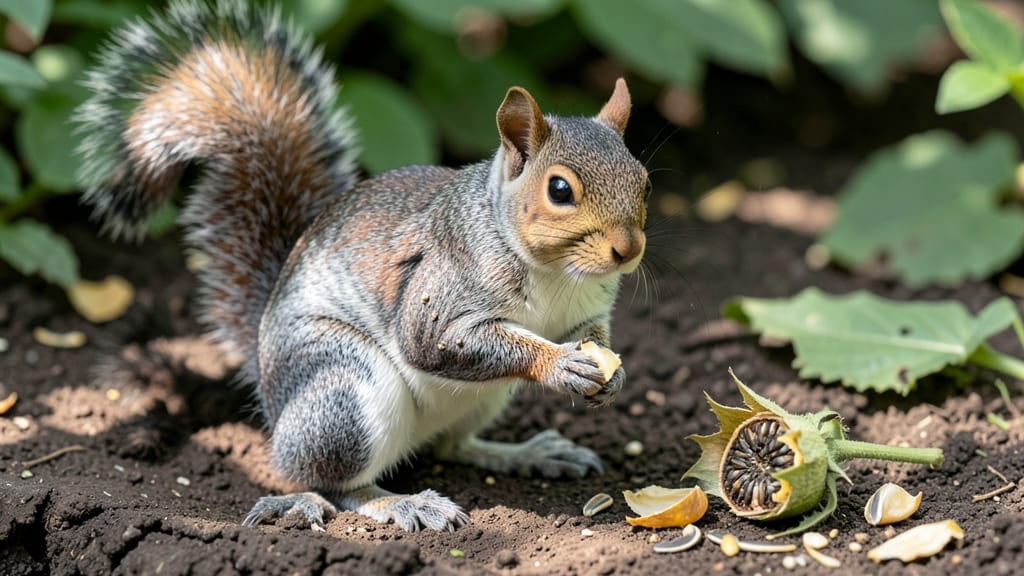
Yes, squirrels will eat your garden, especially targeting vegetables like lettuce, peas, corn, and fruits such as strawberries, blueberries, and apples. They also dig up bulbs like tulips and daffodils, often leaving your plants chewed or unearthed.
Squirrels are opportunistic foragers with a natural preference for fresh, tender plants—especially those that resemble their wild diet of nuts, seeds, and fruits. 🌱 They’re particularly drawn to gardens where young shoots or ripening produce offer easy access to nutrients.
Unlike deer or rabbits, squirrels focus on small, scattered bites rather than devouring entire plants, which makes their damage harder to notice until it’s too late. Their digging habits also disrupt root systems, stunting growth or killing plants entirely.
What makes this worse is their intelligence—they quickly learn which plants are easiest to raid and often return to the same spots. This behavior explains why you might see half-eaten lettuce leaves or missing berries overnight, even if you’ve never spotted a squirrel in your yard.
The key to protecting your garden lies in understanding their patterns and using targeted deterrents before they become a persistent problem.
💡 In This Article
- Common Garden Plants Squirrels Love to Munch
- Effective Squirrel-Proofing Strategies for Gardens
Common garden plants squirrels love to munch
Squirrels target garden plants that mimic their natural diet of high-carb, nutrient-rich foods.
Their foraging instincts drive them toward tender young leaves, sweet fruits, and energy-dense seeds. 🌿 For example, they'll strip entire rows of lettuce within hours because its high water content and mild flavor satisfy their need for hydration and quick calories.
Similarly, peas and corn become prime targets when pods ripen—squirrels can crack open corn husks with their sharp incisors to access the starchy kernels inside.
Their preference for ripening produce extends to fruits like strawberries and blueberries, which contain natural sugars that attract them.
A single squirrel can consume up to 20-30 strawberries in one sitting, often leaving only the green caps behind. 🍓 Bulbs like tulips and daffodils are vulnerable because squirrels dig them up to eat the underground corms, which store concentrated energy reserves.
This behavior explains why you might find perfectly healthy-looking plants suddenly wilting—roots have been severed during the squirrel's midnight snack raid.
What most gardeners don't realize is how texture plays into their preferences. Squirrels avoid tough, fibrous plants like kale or spinach in favor of softer varieties.
They'll also target squash and cucumbers when the skin is still tender, but leave them alone once the rind hardens. 🥒 The key factor is moisture content—plants with high water retention (like tomatoes or peppers) become irresistible once they begin to soften.
This explains why you might see perfect-looking fruits suddenly develop holes overnight.
Their foraging behavior also reveals a fascinating pattern: squirrels prioritize plants that offer both immediate nutrition and long-term storage potential. For instance, they'll nibble on bean pods but leave the seeds inside—because those seeds represent future food sources they can cache.
This dual-purpose approach means your garden's most vulnerable plants are often the ones that produce both edible leaves AND seeds or fruits. 🌱 Understanding this helps explain why they might ignore mature zucchini flowers but systematically strip every blossom from your tomato plants.
Seasonal variations also dictate their menu. In spring, they focus on asparagus ferns and newly sprouted vegetables, while summer brings increased raids on berries and melons. Fall becomes their bulbs-and-nuts season, when they'll dig up entire onion sets or garlic cloves to store for winter.
This seasonal pattern means your protection strategies need to shift throughout the year—what works in June might fail completely in October.
One surprising detail is how scent influences their choices. Squirrels have an exceptional sense of smell and are drawn to plants with strong, sweet aromas. 🌸 This explains why they often target roses (yes, they eat petals!) and hydrangeas—not just for the flowers but for the high-sugar nectar within.
Even herbs like mint and basil become targets when in full bloom, as the volatile oils in these plants create appealing scents to squirrel noses.
The most vulnerable plants share three key characteristics: they're either tender, sweet, or easy to access. This explains why raised beds filled with radishes or carrots often suffer more damage than in-ground plantings—squirrels can simply reach over the bed edges.
The lesson here is that plant placement and variety selection play crucial roles in determining whether your garden becomes a squirrel buffet or remains off their radar. 🌱