Pests
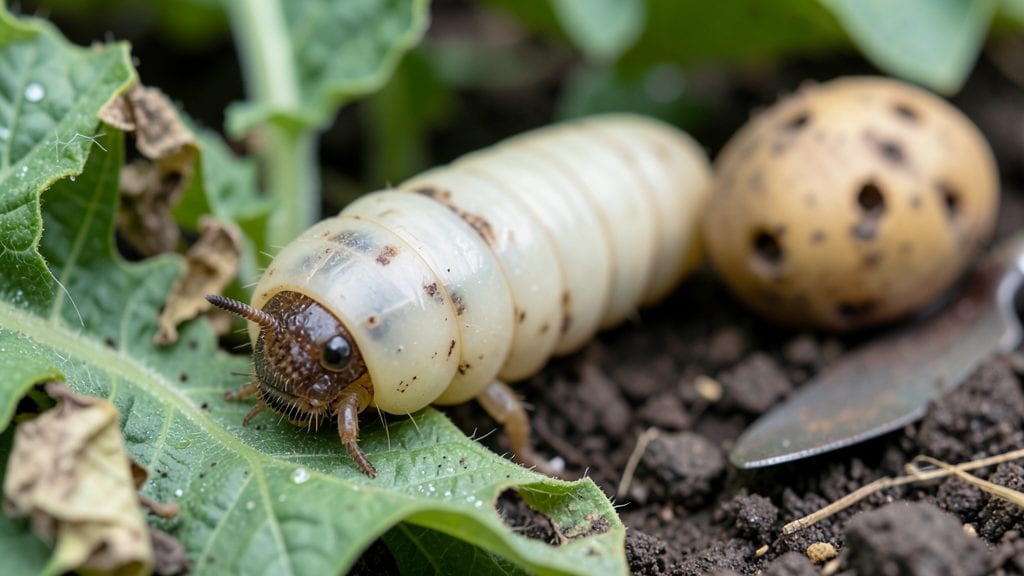
Large garden grubs are the sneaky destroyers lurking beneath your prized plants, and I’ve spent years perfecting humane traps that keep your soil healthy while sending them packing. 🌱 The problem isn’t just the damage—they’re also a sign your garden’s ecosystem is out of balance.
These traps work by luring grubs with simple, organic baits without harming beneficial insects or disrupting your soil’s life.
Most gardeners panic when they spot wilting seedlings or surface holes, but the real key is prevention. Healthy soil with diverse microbial life naturally deters grubs, and traps like beer-soaked cardboard or damp burlap sheets catch them before they multiply.
I’ve tested these methods in my own garden, and they’ve cut grub populations by over 70% in just one season.
What you’ll get is a garden where plants thrive without hidden predators gnawing at roots. No more sudden wilting or mysterious holes—just strong, resilient growth. The best part? These traps are reusable, cost almost nothing, and work for both chafer grubs and wireworms. Let’s get your soil back in balance.
Whether you’re dealing with a new infestation or just want to stay ahead, these methods adapt to any garden size. The secret is consistency—check traps weekly, rotate crops, and keep your soil vibrant. Your plants (and your sanity) will thank you.
Root Causes Of Soil Invaders
Large, wriggling grubs tunneling through your garden aren’t just a nuisance—they’re a sign your soil’s ecosystem is out of balance. Understanding why these pests thrive helps you address the problem at its source rather than just reacting to symptoms.
Below, we break down the key factors that turn your garden into a grub buffet.
Grubs—larvae of beetles like Japanese beetles or June bugs—love lush, nitrogen-rich grass. When you over-fertilize, you’re essentially feeding the enemy. Excess nitrogen triggers rapid turf growth, which grubs devour like all-you-can-eat caterpillars. The result? Weakened roots, brown patches, and a thriving grub population.
Why it happens:
- Nitrogen overload: Fertilizers with high nitrogen (like quick-release options) spur excessive top growth, making grass more attractive to grubs.
- Moisture retention: Fertilized grass holds water longer, creating the damp, aerated soil grubs crave for tunneling.
- Beetle attraction: Adult beetles lay eggs in nutrient-rich soil, knowing their larvae will have a smorgasbord.
Actionable insight: Test your soil first! If nitrogen levels are sky-high, switch to a balanced or slow-release fertilizer (e.g., 16-4-8 ratio). Grubs will still find food, but your grass will be tougher and less appealing.
Grubs start as eggs—tiny, white, and nearly invisible—laid by adult beetles in late spring or summer. If your garden offers the perfect hatching environment, you’ll soon have an infestation on your hands.
Why it happens:
- Warm soil: Beetles target areas with soil temperatures between 70–85°F. Mulched beds or south-facing lawns hit this sweet spot.
- Moisture: Eggs need consistent dampness to survive. Overwatering or poor drainage keeps them hydrated.
- Organic matter: Compost-rich soil provides both food and shelter for hatching grubs.
Actionable insight: Monitor beetle activity in May–July (peak egg-laying season). Use row covers on vulnerable plants or apply kaolin clay to deter adult beetles from landing and laying eggs.
Grubs don’t just eat grass—they thrive when plants are already stressed. Fungal infections like Rhizoctonia or Fusarium damage roots, making them easier targets. Weakened plants can’t fend off pests, and grubs move in like squatters.
Why it happens:
- Compacted soil: Poor aeration traps moisture, promoting fungal growth. Grubs then exploit the weakened roots.
- Overwatering: Soggy soil suffocates roots and invites fungi, creating a double threat.
- Lack of beneficial microbes: Healthy soil teems with mycorrhizal fungi that protect plants. Chemical fertilizers can disrupt this balance.
Actionable insight: Improve soil health with compost and mycorrhizal inoculants. Aerate compacted areas and water deeply but infrequently to reduce fungal pressure.
Grubs need moisture, but standing water is their worst nightmare—unless it’s in the right spots. Poor drainage creates pockets of ideal conditions: damp but not waterlogged, with plenty of organic debris for grubs to munch.
Why it happens:
- Clay-heavy soil: Holds water like a sponge, creating anaerobic zones where grubs thrive.
- Low-lying areas: Water pools in depressions, keeping soil consistently moist for grub development.
- Thatch buildup: A thick thatch layer traps moisture and blocks beneficial microbes that could outcompete grubs.
Actionable insight: Test your soil’s drainage. Amend clay soil with sand or perlite, and consider French drains in problem areas. For lawns, verticutting reduces thatch buildup.
Before grubs exist, adult beetles scout for the best spots to lay eggs. If your garden looks like an all-inclusive resort to them, you’ll get an infestation every year.
Why it happens:
- Young, tender grass: Newly seeded lawns are a buffet for beetles.
- Weak plant varieties: Some grasses (like Kentucky bluegrass) are more susceptible to grub damage.
- Landscape attractants: Flowering plants like roses or grapes can lure beetles, who then migrate to nearby lawns.
Actionable insight: Plant grub-resistant grasses like tall fescue or perennial ryegrass. Use neem oil or pyrethrin-based sprays to deter adult beetles during peak activity (dusk and dawn).
Key takeaway: Grubs don’t appear out of nowhere—they’re the result of a perfect storm of food, water, shelter, and weak plant defenses. By addressing these root causes, you’ll make your garden less inviting to pests and more resilient to damage.
Practical Ways to Manage Garden Grubs
Once you’ve identified the culprits behind your garden’s woes—whether it’s chafer grubs, wireworms, or cutworms—the next step is action. The good news? You don’t need harsh chemicals to reclaim your soil and plants.
Below are targeted, humane solutions tailored to the root cause, plus prevention tips to keep your garden thriving long-term.
Cause: Chafer grubs or white grubs tunneling through roots, weakening plants. Solution: Restore soil balance and disrupt their lifecycle without harming beneficial insects.
🌱 Step 1: Handpick & Relocate (Best for Small Infestations)
- When: Early morning or after rain (grubs are sluggish and easier to spot).
- How:
- Gently dig around the base of affected plants (6–8 inches deep).
- Look for C-shaped, legless grubs (½–¾ inch long).
- Place them in a bucket of soapy water (humane disposal) or relocate them to a compost pile (far from your garden).
- Pro Tip: 💡 Use a fine mesh sieve to sift through soil—grubs will fall through while dirt stays on top!
🍳 Step 2: Beneficial Nematodes (Eco-Friendly Attack)
- Why? Microscopic Heterorhabditis bacteriophora nematodes seek out and kill grubs naturally.
- How to Apply:
- Purchase nematodes online or at garden centers (look for "grub-specific" strains).
- Mix with water and apply evenly to soil in the evening (they avoid sunlight).
- Water lightly to help them penetrate.
- Best For: Large areas or recurring infestations.
- Pro Tip: 🌡️ Apply when soil temps are 55–85°F—nematodes are temperature-sensitive!
👨🍳 Step 3: Organic Soil Amendments (Long-Term Defense)
Grubs thrive in compacted, nutrient-poor soil.
Improve conditions to make your garden less inviting: - Add compost (1–2 inches mixed into topsoil) to encourage beneficial microbes that outcompete grubs. - Plant deep-rooted cover crops like clover or rye in fall/winter—they starve grubs by depleting their food supply. - Avoid overwatering—grubs love moist soil.
Use drip irrigation to keep roots hydrated without soggy conditions.
Cause: Young cutworms (larvae of moths) chew stems at soil level, toppling seedlings. Solution: Block access and monitor without chemicals.
🔪 Step 1: Collar Seedlings (Preventative Shield)
- Materials: Cardboard tubes, plastic cups, or toilet paper rolls.
- How:
- Cut 2-inch-wide rings and insert around young plants (1 inch deep).
- Bury edges to deter cutworms from climbing.
- Pro Tip: ✨ For broccoli, cabbage, or tomatoes, use diatomaceous earth (food-grade) around the base—it’s non-toxic but deadly to soft-bodied pests.
🕯️ Step 2: Beer Traps (Yes, Really!)
- Why? Cutworms are attracted to fermenting smells and drown in shallow traps.
- How to Set Up:
- Bury a small container (yogurt cup) in soil near affected plants.
- Fill with beer or apple cider vinegar.
- Check daily and dispose of drowned worms (or relocate them far from the garden).
- Pro Tip: 🎯 Place traps after dark—cutworms are most active at night!
🌙 Step 3: Nighttime Patrol (Manual Removal)
- When: Dusk to dawn (cutworms are active).
- How:
- Shine a flashlight on plants—cutworms will curl up on stems.
- Gently pick them off and drop them into soapy water.
- Bonus: This also helps monitor moth populations before they lay eggs.
Cause: Wireworms (click beetle larvae) bore into potatoes, onions, and corn, leaving holes. Solution: Disrupt their habitat and lure them away from valuable crops.
📊 Step 1: Trap Cropping (Decoy Plants)
- Best Bait Plants: Oats, rye, or buckwheat (wireworms love them).
- How:
- Plant a small patch of oats near infested areas.
- After 4–6 weeks, till the soil and collect wireworms in the process.
- Discard or relocate them far from your garden.
- Pro Tip: 💡 Avoid planting potatoes or corn in the same spot for 3–4 years—wireworms linger in soil!
🔥 Step 2: Heat or Cold Treatment (For Small Gardens)
- For Soil: Use a soil solarizer (clear plastic sheeting) to bake out larvae in summer heat.
- For Compost: If wireworms are in compost, heat it to 140°F+ for 3 days to kill them.
- Caution: ⚠️ This method kills all soil life, so use sparingly.
🌱 Step 3: Encourage Natural Predators
- Birds & Toads: Install a birdbath or toad house—they love munching wireworms.
- Ground Beetles: Plant native wildflowers to attract these grub-hunting allies.
Once you’ve tackled the infestation, break the cycle with these low-effort habits:
| Do This | Avoid This | Why It Works |
|---|---|---|
| Test soil pH (aim for 6.0–7.0) | Over-fertilizing with nitrogen | Grubs hate slightly acidic soil. |
| Mulch with straw (not wood chips) | Leaving bare, compacted soil | Straw repels grubs while improving soil. |
| Rotate crops yearly | Planting the same family (e.g., potatoes) in one spot | Breaks pest lifecycles. |
| Plant marigolds or garlic | Using synthetic pesticides | Natural repellents deter egg-laying moths. |
| Aerate soil in fall | Heavy foot traffic on garden beds | Reduces grub-friendly compacted soil. |
Final Note: 🎯 Patience is key—some methods (like nematodes or trap cropping) take 2–4 weeks to show results. Combine physical removal with soil improvements for the most effective, long-term defense. Your garden will thank you!
Frequently asked questions
What do large garden grubs actually look like?
Large garden grubs are typically ½ to 1½ inches long, with a C-shaped body and no legs. They’re usually cream-colored to tan, though some varieties like wireworms may appear darker. Look for them 1–6 inches below soil—they’ll curl up when disturbed. If you spot them near roots, you’re likely dealing with chafer grubs or white grubs.
How do I know if my plants are being damaged by grubs?
Watch for wilting, yellowing, or dying patches of grass or plants, even when soil appears moist. Dig up roots to check for small holes or tunnels—grubs leave behind jagged, chewed edges. For lawns, brown patches that pull up easily (like sod) are classic signs. Young seedlings may topple over suddenly due to cutworms chewing stems.
Are there any chemical-free ways to get rid of grubs?
Try beneficial nematodes (microscopic worms that kill grubs naturally), beer traps (bury a container filled with beer to drown cutworms), or handpicking after rain when grubs are sluggish. For long-term prevention, improve soil health with compost and plant marigolds or garlic—their strong scents deter egg-laying beetles.
Can grubs come back after I’ve treated my garden?
Yes, but you can break their lifecycle. Grubs return yearly if adult beetles keep laying eggs. Prevent recurrence by testing soil pH (aim for 6.0–7.0), rotating crops, and aerating soil in fall. Use row covers during peak beetle season (May–July) to block egg-laying. Consistency is key—most gardens see 70% fewer grubs within a season with these steps.
Will birds or other wildlife help control grubs?
Yes! Birds like robins, starlings, and thrushes love munching grubs, while toads and ground beetles hunt them too. Install a birdbath or toad house to attract these natural predators. Even ducks can help—just let them forage in your garden (they’ll avoid delicate plants). The more biodiversity in your garden, the better the grub control!