How To
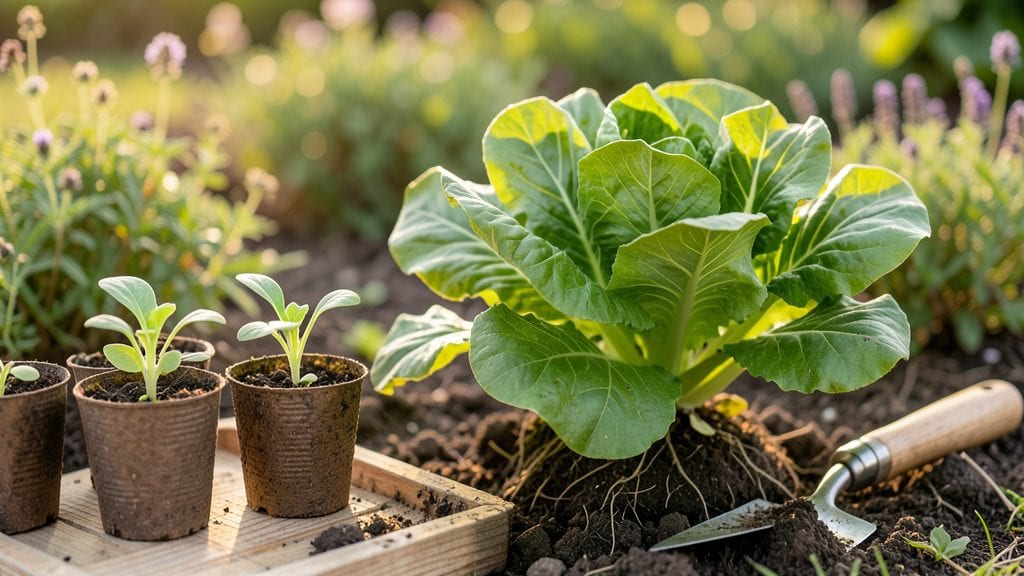
Growing a lettuce garden lets you enjoy fresh, crisp 🥬 leaves in just 30 days—no fancy setup required.
Imagine fresh, crisp lettuce ready to harvest in just 30 days—no greenhouse or fancy equipment needed. Growing your own lettuce garden is easier than you think, and with the right varieties, you can enjoy continuous harvests all season long.
You don’t need a sprawling backyard to get started. Whether you’re working with a sunny windowsill, a small balcony, or a corner of your yard, lettuce thrives in containers or raised beds.
The key is choosing fast-growing varieties and keeping conditions just right—cool temps, consistent moisture, and a little shade during peak summer heat.
In this guide, I’ll walk you through everything from picking the fastest-maturing lettuce types to avoiding common pitfalls like bolting or bitter leaves. By the end, you’ll have a thriving garden that keeps producing harvest after harvest.


Choosing the fastest lettuce varieties for cut-and-come-again harvests
If you're dreaming of a continuous lettuce supply without waiting months, focus on fast-maturing varieties designed for cut-and-come-again harvests. These varieties thrive in cool seasons and can regrow after partial harvesting, giving you fresh greens for weeks.
The key is selecting heat-tolerant types that won't bolt prematurely, along with proper spacing to maximize air circulation and leaf production.
My top recommendation for ultra-fast lettuce is 'Black Seeded Simpson', which matures in just 28-30 days and handles light shade better than most varieties. It's perfect for shady patios or container gardens where full sun isn't available.
For bold, crinkled leaves with a slightly sweet flavor, try 'Salad Bowl', which reaches harvestable size in 35-40 days and produces loose-leaf heads ideal for continuous cutting.
Here's how these fastest-maturing varieties compare for your cut-and-come-again garden, including their heat tolerance, spacing needs, and harvest window:
For summer gardening, 'Arctic King' is my go-to choice because it handles warmer temperatures better than most lettuces. Its butterhead leaves stay tender and sweet even when daytime temps hit 85°F, making it perfect for late-spring or early-fall plantings.
The wider 10-12 inch spacing gives its leaves room to spread without crowding, which is crucial for preventing disease spread in humid conditions.
If you're growing in containers, 'Merlot Romaine' is an excellent pick—it matures in 40-45 days and produces long, sturdy stalks perfect for cutting. Space plants 8-10 inches apart in 5-gallon containers to give roots enough room to establish
Step-by-step guide to planting and maintaining your lettuce garden
Lettuce thrives when you give it the right conditions—loose, fertile soil and consistent moisture are non-negotiable. Unlike many vegetables, lettuce grows best in cool weather, making it perfect for spring and fall gardens.
Even in summer, you can keep it producing with shade cloth and proper watering. The key to avoiding bitterness or bolting lies in timing, spacing, and attentive care.
Before you plant, test your soil to ensure it’s rich in organic matter with a pH between 6.0 and 7.0. Lettuce roots are shallow, so amend the top 6 inches with compost or well-rotted manure.
If your soil drains poorly, mix in sand or perlite to prevent waterlogging, which can cause root rot. A little effort here pays off with crisp, flavorful leaves all season long.
How to Plant and Maintain Your Lettuce Garden
-
Step 1: Choose Your Planting Method
Sow seeds ¼ inch deep in rows spaced 12-18 inches apart or scatter them in a broadcast fashion for a natural look. For containers, plant seeds 1 inch apart in pots at least 6 inches deep.
-
Step 2: Thin Seedlings for Optimal Growth
Once seedlings reach 2 inches tall, thin them to 6-12 inches apart (depending on variety). Use scissors to avoid disturbing roots, and transplant thinnings to a nearby spot or salad bowl.
-
Step 3: Water Consistently (But Not Too Much)
Keep soil evenly moist—water early in the morning to reduce evaporation and fungal risks. Aim for 1 inch of water per week, adjusting for rain. Avoid wetting leaves to prevent disease spread.
-
Step 4: Mulch to Retain Moisture and Suppress Weeds
Apply a 1-inch layer of mulch (straw or shredded leaves) to keep soil cool and conserve water. Mulch also blocks weeds, which compete with lettuce for nutrients. Replenish mulch as it breaks down.
-
Step 5: Fertilize Lightly for Leafy Growth
Feed with a balanced fertilizer (5-10-10) every 4-6 weeks or use compost tea for a gentle boost. Over-fertilizing can cause bitterness or rapid bolting, so err on the side of caution.
-
Step 6: Protect from Pests and Heat Stress
Watch for aphids, slugs, and flea beetles. Handpick pests or use neem oil for organic control. In hot weather, provide 30-50% shade cloth to prevent bolting and maintain crispness.
-
Step 7: Harvest Outer Leaves for Continuous Yield
Start harvesting when leaves reach 4-6 inches. Snip outer leaves with clean scissors, leaving the inner rosette intact. This cut-and-come-again method extends harvests by 3-4 weeks per planting.
One of the biggest mistakes beginners make is letting lettuce bolt too soon. Heat stress or uneven watering triggers flowering, turning your tender leaves into bitter, seed-filled stalks. To avoid this, plant shade-tolerant varieties like 'Arctic King' or 'Jericho' in summer, and always keep the soil cool with mulch.
If your lettuce starts bolting, harvest what you can and replant for a fresh batch.
For maximum yield, practice succession planting every 2-3 weeks in spring and fall. This ensures you always have fresh lettuce ready to harvest. If space is limited, grow lettuce in deep containers or even a hanging planter—just ensure they have drainage holes to prevent root rot.
With these steps, you’ll enjoy homegrown lettuce that’s sweeter and fresher than store-bought.
🥬