
Pests
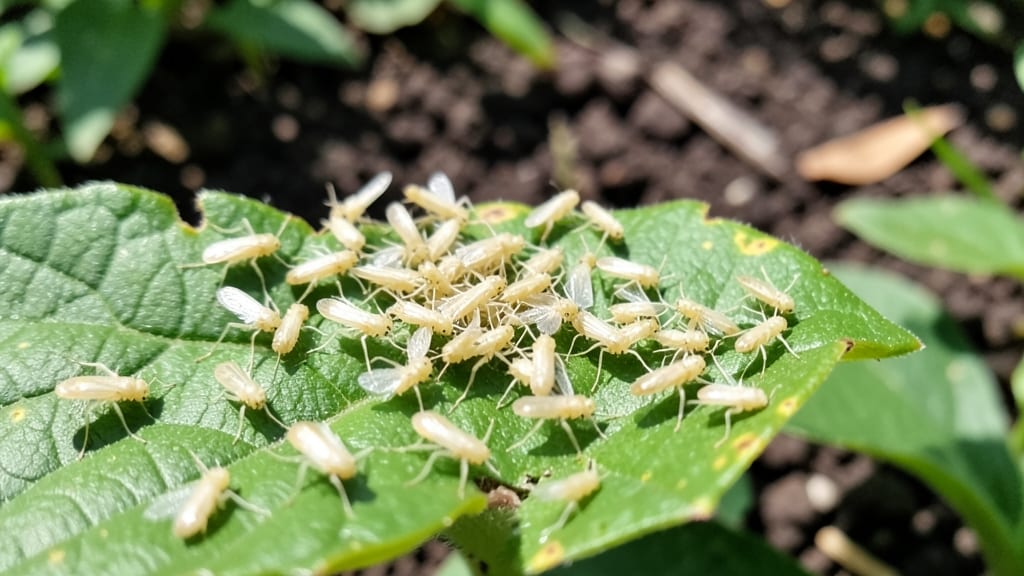
Whiteflies in your garden aren't just annoying—they can turn your plants into sticky, yellowing messes if you don't act fast. 🌿 I've battled these tiny pests for years, and I finally found an organic spray that knocks them out in 24 hours without harming your plants or the bees.
The key is timing, the right mix, and knowing exactly when to spray.
Most people wait until their plants are already covered in whiteflies before acting, but that's when the damage is done. I start checking for them in early summer when I notice tiny white specks fluttering near my tomato and pepper plants.
The spray I use combines neem oil, insecticidal soap, and a dash of dish soap—no harsh chemicals, just plant-safe ingredients that disrupt their life cycle fast.
Within a day, you'll see fewer whiteflies on your plants, and within a week, they'll be gone for good. Your plants will bounce back with fresh green leaves, and you'll avoid the sticky residue that makes them look like they've been sprayed with glue.
The best part? This method works on all your garden plants, from veggies to ornamentals.
If whiteflies keep coming back, it's usually because the plants are stressed or the environment is perfect for them. That's why I also focus on keeping my garden healthy—mulching, watering deeply, and adding companion plants like marigolds to disrupt their breeding cycle. Let's get those pests under control for good.
Root Causes of Whitefly Infestations
Whiteflies may seem like tiny, harmless nuisances, but their presence in your garden is rarely accidental. Understanding why these sap-sucking pests show up—and thrive—is the first step to stopping them. Below, we break down the key factors that turn your lush plants into a whitefly buffet.
Whiteflies love weak plants. When your garden is packed with overcrowded foliage or plants struggling from poor health, they become an easy target. Here’s why:
- Reduced Airflow – Dense plantings trap heat and humidity, creating the perfect microclimate for whiteflies to breed. Poor airflow also makes it harder for natural predators (like ladybugs or lacewings) to patrol. - Nutrient Deficiencies – Plants deficient in nitrogen, phosphorus, or potassium are more vulnerable.
Weak roots and stunted growth signal to whiteflies that the plant is an easy meal. - Water Stress – Both overwatering (leading to root rot) and underwatering (causing wilting) weaken plants. Whiteflies detect stressed plants through volatile organic compounds (VOCs) emitted during distress.
💡 Pro Tip: Prune regularly to improve airflow, and fertilize with a balanced organic mix (like compost tea or fish emulsion) to strengthen plant defenses.
Whiteflies thrive in heat and humidity, which is why they’re often a problem in greenhouses, tropical plants, or summer gardens. Here’s the science:
- Temperature Preferences – Whiteflies reproduce fastest between 77–86°F (25–30°C).
If your garden is a warm, sheltered spot (like near a south-facing wall or under plastic covers), you’re creating a whitefly paradise. - Humidity Boosts Survival – High humidity keeps their eggs from drying out and speeds up their life cycle.
A single female can lay hundreds of eggs in ideal conditions, leading to explosive outbreaks. - Greenhouse Effect – Plastic or glass greenhouses trap heat, making them whitefly hotspots. Even outdoor containers with plastic mulch can mimic this effect.
🌡️ Action Step: Use shade cloth in peak sun hours, improve ventilation, and avoid plastic mulches if whiteflies are recurrent.
Whiteflies hitchhike on new plants, making them a common issue when you bring home bedding plants, citrus trees, or even potted herbs. Here’s how it happens:
- Nursery-Infested Stock – Many commercial plants are pre-treated with pesticides, but whiteflies can still hide in leaf axils or undersides.
Once introduced, they spread rapidly. - Wind and Insect Movement – Adult whiteflies are weak fliers but can be carried by wind, bees, or other insects to nearby plants.
A single infested plant can contaminate an entire garden in weeks. - Outdoor Dining Spots – If you have nearby weedy areas, compost piles, or wild plants, whiteflies may be migrating from those sources.
✨ Prevention Tip: Quarantine new plants for 1–2 weeks, inspecting leaves (especially undersides) before adding them to your garden.
Whiteflies don’t just appear out of nowhere—they’re often outcompeting beneficial insects. When their predators vanish, whiteflies take over. Key disruptors include:
- Pesticide Overuse – Broad-spectrum chemical sprays (like neonicotinoids or pyrethroids) kill ladybugs, lacewings, and parasitic wasps—the whitefly’s natural enemies.
- Monoculture Planting – Gardens with only one type of plant (e.g., a single tomato patch) offer whiteflies a feast with no breaks, while diverse gardens attract predator diversity.
- Seasonal Shifts – In early spring or late fall, predator populations may be low, giving whiteflies a temporary advantage.
🔥 Ecological Fix: Plant companion flowers (like marigolds, dill, or alyssum) to attract predators, and reduce synthetic pesticides to preserve the balance.
Believe it or not, how you water can invite whiteflies. Here’s the connection:
- Overhead Watering – Sprinklers or hose sprays can dislodge whitefly pupae from leaves, spreading them to new plants.
It also keeps foliage damp, encouraging fungal growth that weakens plants. - Hard Water Buildup – Minerals in tap water (like calcium and magnesium) can leave residue on leaves, making them stickier and more attractive to whiteflies. - Drip Irrigation Issues – If emitters are misaligned, they can create localized soggy spots, promoting whitefly-friendly fungi like sooty mold.
💧 Smart Watering: Use drip irrigation at soil level, water early in the day for quick drying, and rinse leaves occasionally with a gentle spray of water to dislodge pests.
Quick Fixes for Whitefly Infestations
Whiteflies may seem like a tiny, relentless foe, but with the right strategies, you can reclaim your garden in no time. Below are targeted solutions based on the root cause of your whitefly problem—whether it’s an overcrowded garden, poor hygiene, or an existing infestation.
Each approach is designed to be practical, effective, and easy to implement, even for beginners.
If your garden is packed with plants or struggling from overwatering, whiteflies will exploit the weak spots. Here’s how to restore balance:
🔪 Prune and Space Out Plants
- Trim affected leaves (especially yellowing or curling ones) and dispose of them in a sealed trash bag—not the compost!
Whitefly eggs and larvae will hatch in compost piles. - Space plants 12–18 inches apart to improve airflow and reduce humidity, which whiteflies love. Aim for a "breezy" garden—good circulation deters pests naturally. - Remove heavily infested plants if they’re beyond saving.
Focus energy on healthier specimens to prevent the spread.
💡 Pro Tip:
Use sharp, sterilized pruners to avoid spreading pests. Wipe blades with rubbing alcohol between cuts. For large plants, prioritize lower leaves where whiteflies often hide.
Whiteflies thrive in dirty, cluttered spaces. A few simple habits can make your garden less inviting:
🧹 Clear Debris and Mulch Properly
- Rake up fallen leaves, spent blooms, and plant debris weekly. These harbor eggs and larvae.
- Replace old mulch (especially near infested areas) with fresh, pest-free material.
Wood chips or straw work well. - Wash pots and garden tools with soapy water to remove hidden pests.
🌡️ Reduce Moisture Hotspots
- Water plants at the base (not overhead) to keep foliage dry. Damp leaves attract whiteflies.
- Avoid overhead sprinklers during evening hours—this mimics their favorite humid conditions.
- Use drip irrigation for large gardens to keep moisture controlled.
✨ Bonus Hack:
Spread a thin layer of diatomaceous earth (DE) around plant bases. It’s a natural, non-toxic powder that dehydrates whiteflies on contact. Reapply after rain.
If whiteflies are already swarming, combine physical removal with organic sprays for maximum impact.
🕷️ Trap and Remove Adult Whiteflies
- Sticky traps (yellow or blue) placed near plants catch adults. Replace traps every 2–3 weeks for best results.
- Blast them off with a strong stream of water from a hose (early morning works best).
Repeat every few days to disrupt their life cycle. - Vacuum them up with a handheld vacuum (like a shop vac) for severe cases. Empty the vacuum into soapy water immediately.
🍳 DIY Organic Sprays (Fast-Acting)
Whiteflies hate neem oil, insecticidal soap, or kaolin clay. Here’s how to use them effectively:
| Solution | How to Apply | Frequency |
|---|---|---|
| Neem Oil Spray | Mix 1 tbsp neem oil + 1 tsp mild soap in 1 quart water. Spray undersides of leaves. | Every 5–7 days (or after rain) |
| Insecticidal Soap | Use a pre-made spray (like Safer® Brand). Focus on new growth and leaf undersides. | 2–3 times per week until gone |
| Kaolin Clay | Mix 1 cup clay + 1 gallon water. Spray like a sunscreen to deter landing. | Weekly (reapply after rain) |
🔥 Pro Move:
For immediate knockdown, combine neem oil + insecticidal soap in one spray. Test on a small leaf first to avoid plant damage.
Once you’ve eliminated the infestation, prevent recurrence with these habits:
- Rotate crops annually to disrupt whitefly life cycles. - Interplant with repellent herbs like basil, mint, or dill—whiteflies avoid these scents. - Encourage beneficial insects: Ladybugs, lacewings, and parasitic wasps love eating whiteflies.
Plant alyssum, marigolds, or fennel to attract them. - Inspect new plants before bringing them indoors or into the garden. Quarantine for a week if possible.
Remember: Consistency is key. Whiteflies reproduce quickly, so stay vigilant for 4–6 weeks after treatment to ensure they don’t bounce back. With these steps, your garden will be whitefly-free in no time! 🌱💪
Frequently asked questions
Why do whiteflies appear suddenly in my garden?
Whiteflies thrive in warm, humid conditions and often arrive via wind, bees, or new plants. They multiply rapidly—one female can lay hundreds of eggs—so even a few unnoticed adults can become a full-blown infestation in weeks. Check leaf undersides and yellow sticky traps to catch them early.
Are whiteflies harmful to my plants beyond being annoying?
Yes! They suck plant sap, causing yellowing leaves, stunted growth, and sticky honeydew that attracts sooty mold. Severe cases weaken plants, making them vulnerable to other pests or diseases. Act fast—organic sprays like neem oil disrupt their life cycle before damage worsens.
How do I know if my plants have whiteflies (not just aphids or fungus gnats)?
Whiteflies are tiny (1/16-inch), white, and flutter away when disturbed. Look for clusters on leaf undersides and check for honeydew residue (sticky film). Unlike aphids, they don’t leave cottony trails, and they’re more active in sunlight than fungus gnats.
Can I use dish soap to kill whiteflies like I’ve heard?
Yes! Mix 1 tablespoon mild dish soap + 1 quart water in a spray bottle. Shake well and spray directly on whiteflies (undersides of leaves). Reapply every 3–4 days—it disrupts their protective wax layer. Test on a small leaf first to avoid damaging tender plants.
Why do whiteflies keep coming back after I treat them?
Recurring whiteflies often mean hidden eggs, new infestations from nearby plants, or ideal conditions (heat/humidity). Rotate treatments (neem oil + insecticidal soap), improve airflow, and add companion plants like marigolds to attract natural predators. Check for stressed plants—they’re whitefly magnets!