Pruning
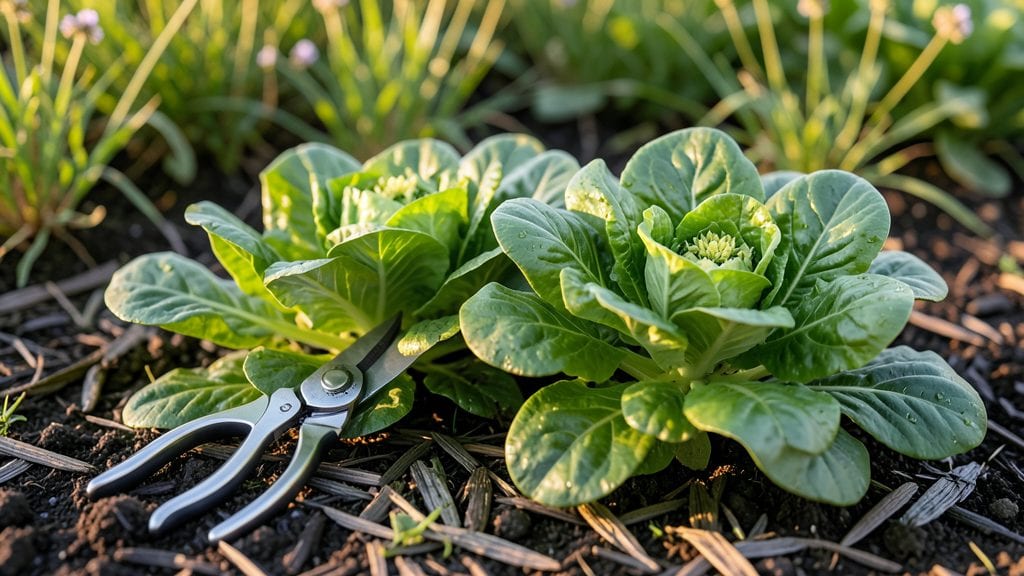
Trimming lettuce from your garden isn’t just about harvesting—it’s about teaching the plant to grow back stronger. A sharp blade makes all the difference between crisp, fresh leaves and ragged, stressed plants.
I learned this the hard way after snipping too close to the base and watching my romaine bolt to seed within weeks.
You’ll need clean, sharp scissors or pruning shears—anything dull will tear leaves and invite rot. For leaf lettuce like romaine or butterhead, cut just above a leaf pair to encourage new growth.
Head lettuce like iceberg should be harvested whole when firm, but you can still trim outer leaves for fresh salads without sacrificing the center.
The timing matters too: harvest in the morning when leaves are crisp and hydrated. Avoid trimming during heatwaves or drought—stressed plants won’t recover well. With the right technique, you’ll enjoy a steady supply of fresh greens for weeks, and the plants will stay productive long after store-bought lettuce turns bitter.
Common mistakes include cutting too close to the stem or harvesting too aggressively. Always leave at least an inch of growth, and never take more than one-third of the plant at once. A little patience here means a bigger, healthier harvest later—your future salads will thank you.
📚 In This Guide
- What you need
- Instructions
- Tips and common mistakes
- Wrapping up and next steps
What you need
- ● Sharp kitchen shears or pruning scissors – Choose stainless steel blades (4-6 inches long) for precision. Pro tip: A serrated edge works best for crisp cuts! 💡
- ● Clean cutting board – Opt for a plastic or wood board (12x18 inches) to protect your countertops and avoid bacteria buildup.
- ● Large mixing bowl or colander – A stainless steel colander (8-10 inches wide) helps drain water efficiently.
- ○ Kitchen knife (optional but handy) – A chef’s knife (8 inches) or paring knife (3 inches) for finer trims (e.g., removing wilted edges).
- ● Spray bottle with water – Keeps lettuce hydrated during trimming and prevents browning.
- ● Paper towels or clean cloth – For drying leaves and absorbing excess moisture.
- ○ Glove (optional) – A food-safe latex or nitrile glove if you prefer not to touch wet lettuce directly.
- ● Salad spinner – Speeds up drying time post-trimming.
- ● Food-grade sanitizer (e.g., vinegar spray) – For sterilizing tools before use.
- ● Herb scissors with long handles – Great for reaching deep into large lettuce heads (e.g., romaine or iceberg).
- ● Plastic storage containers with lids – If storing trimmed lettuce for 3-5 days in the fridge.
Instructions for trimming lettuce without damaging the plant
Here's how to keep your lettuce thriving while harvesting fresh leaves—no sharp cuts or stress required.
Choose the Right Time for Trimming
Harvest lettuce in the morning after the dew has dried but before the sun gets too intense. This ensures the leaves are crisp and hydrated, making them easier to trim cleanly. I like to wait until the plant has at least 4-6 mature outer leaves—this gives the inner leaves room to grow without overcrowding.
Check the weather forecast too. If rain is expected within 24 hours, hold off on trimming. Wet leaves tear more easily, and the plant may struggle to recover from cuts if stressed by moisture. The goal is to work with dry, sturdy leaves that hold their shape when handled.
Gather Your Tools and Prepare the Plant
Use a clean, sharp pair of scissors or pruning shears—never dull blades. A sharp tool makes precise cuts that heal faster and reduces the risk of disease entering the plant through jagged edges. If you don’t have dedicated garden scissors, sanitize regular scissors with rubbing alcohol before use.
Before trimming, give the lettuce a quick inspection. Remove any yellow or wilted leaves first—they’re past their prime and can harbor pests or disease. Focus on the outer leaves, which are fully mature and ready for harvest. These leaves won’t regrow, but they’ll give the inner leaves more space to thrive.
Trim the Lettuce Using the Sharp Blade Technique
Hold the outer leaf firmly at the base where it meets the stem. Angle your scissors at a 45-degree angle and cut just above a leaf node—this is the small bump where new leaves will grow. Avoid cutting into the stem itself; this can damage the plant’s ability to regenerate.
Work your way around the plant, trimming one outer leaf at a time. Leave the inner leaves intact—they’ll continue growing and form the heart of the lettuce. If you’re harvesting for baby lettuce, you can trim the entire plant 1-2 inches above the soil once it’s fully mature, but this ends the plant’s life cycle.
Post-Trimming Care for Continued Growth
After trimming, water the plant lightly at the base to help it recover. Avoid wetting the leaves, as this can promote fungal growth. If the soil feels dry ½ inch below the surface, give it a deeper watering to encourage new growth. Lettuce roots are shallow, so consistent moisture is key.
If your lettuce starts to bolt (send up a flower stalk), it’s a sign the plant is stressed or nearing the end of its life cycle. To delay bolting, harvest frequently and keep the plant well-watered. If you notice new leaves emerging from the center, you’re doing it right—the plant is actively regenerating for future harvests.
Store and Use Your Fresh Harvest
Trimmed lettuce stays fresh longest if stored properly. Wrap the leaves loosely in a damp paper towel and place them in a resealable plastic bag with a few small holes for airflow. Keep them in the crispiest part of your fridge, like the vegetable drawer, where the temperature hovers around 35-40°F. This slows wilting and keeps them crisp for 5-7 days.
Use the outer leaves first—they’re more mature and may wilt faster. The inner leaves will continue growing and can be harvested again in 3-5 weeks, depending on the variety. If you’re growing heat-tolerant varieties like romaine or butterhead, they’ll often regrow even after multiple trims, giving you a steady supply all season.
Tips & tricks for perfect lettuce harvesting
These simple strategies will help you maintain a thriving lettuce plant while harvesting fresh leaves that stay crisp and healthy.
The Timing Factor: The 24-hour weather window mentioned in Step 1 is crucial for avoiding stress on your plants. If you must harvest when rain is coming, do it at least 6 hours before the forecasted downpour to give the plant time to recover. I’ve found that morning harvests after dew dries but before midday heat yield the crispest leaves. This timing also helps prevent fungal issues that can develop when leaves stay wet.
Tool Selection Matters: In Step 2, the instructions emphasize sharp tools, but I can’t stress enough how important this is. Even high-quality kitchen scissors can become dull after a few uses. I keep a dedicated pair of garden scissors just for harvesting—it’s worth the investment. For those without pruning shears, a clean, sharp chef’s knife works well if you’re careful to make clean cuts. Just be sure to sanitize it thoroughly before and after use to prevent cross-contamination between plants.
Regrowth Strategy: When following Step 3 to trim one outer leaf at a time, you’re essentially giving your lettuce a haircut that encourages new growth. I’ve noticed that when I leave at least 3-4 inner leaves intact, the plant regenerates more vigorously. For varieties like butterhead or romaine, you can often get 2-3 harvests from the same plant over a growing season by always cutting just above a leaf node and avoiding the stem.
Storage Wisdom: The 35-40°F temperature range mentioned in Step 5 is ideal for lettuce storage, but there’s a trick to extending freshness even further. After washing your trimmed leaves, gently dry them with a clean kitchen towel or paper towels before storing. Excess moisture is the enemy of crispness. I also like to place a paper towel inside the storage bag with the lettuce—it absorbs any remaining moisture and helps maintain that perfect crunch for the full 5-7 days.
Pro Tips for Trim Lettuce From Garden
- These simple strategies will help you maintain a thriving lettuce plant while harvesting fresh leaves that stay crisp and healthy.
- The Timing Factor: The 24-hour weather window mentioned in Step 1 is crucial for avoiding stress on your plants.
- Tool Selection Matters: In Step 2, the instructions emphasize sharp tools, but I can’t stress enough how important this is.
Frequently asked questions
Got questions about trimming lettuce like a pro? Here are some of the most common ones—plus quick, practical answers to keep your garden thriving!
How often should I trim lettuce for continuous harvest?
Trim lettuce every 2–3 weeks for baby leaves or once every 4–6 weeks for full heads, depending on variety. Cut outer leaves first to encourage regrowth. Over-trimming can stress plants, while under-trimming may lead to bolting (flowering). Aim for a balance!
Can I use scissors or my fingers to trim lettuce instead of a sharp knife?
While scissors or fingers can work in a pinch, they’re not ideal. Dull tools crush leaves, causing bruising and rot, while fingers risk uneven cuts. A sharp, clean knife (or pruning shears) ensures precision and minimizes damage. For delicate varieties like butterhead, a serrated blade works best!
What’s the best time of day to trim lettuce for freshness?
Trim in the early morning (before 9 AM) when leaves are crisp and hydrated. Avoid midday heat, which can stress plants, or late afternoon, when humidity may promote disease. If you must trim later, harvest only what you’ll use immediately to prevent wilting.
Why does my lettuce turn bitter or bolt after trimming?
Bitter taste or bolting (flowering) usually happens due to heat stress, over-maturity, or improper trimming. To prevent it:
- Harvest outer leaves first to avoid shocking the plant.
- Keep soil consistently moist (but not soggy).
- Use shade cloth in hot climates or opt for heat-tolerant varieties like Romaine or Oakleaf.
- Avoid trimming during extreme temperatures.
Can I regrow lettuce after cutting the whole head?
Most lettuce varieties won’t regrow after a full head is cut, but leaf lettuce (like romaine or butterhead) often sprouts new growth if you leave 1–2 inches of stem and keep it well-watered. For head lettuce (e.g., iceberg), it’s best to replant seeds instead.
Wrapping up and next steps
Trimming lettuce from your garden doesn’t have to be intimidating—with the right sharp blade technique, you’ll harvest crisp, damage-free leaves while keeping your plants thriving! 🌱 Remember to cut at the base, avoid over-trimming, and use clean tools to prevent disease.
Your efforts will reward you with fresh, flavorful greens for weeks to come.
Now that you’re ready to trim like a pro, why not put those skills to good use? Try incorporating your freshly harvested lettuce into salads, sandwiches, or even homemade pesto. Happy gardening—and enjoy the fruits (or leaves!) of your labor! 🥗