How To
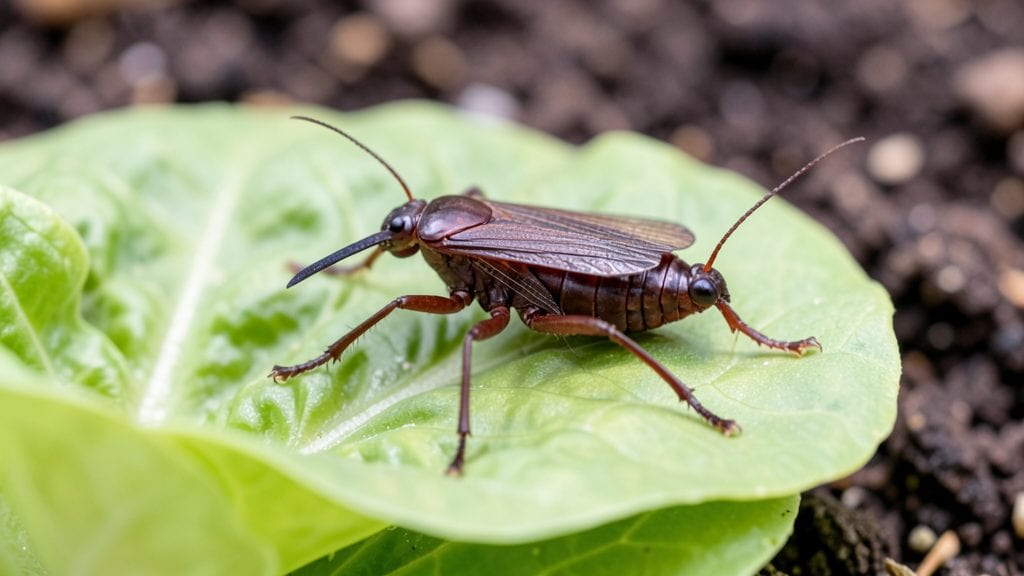
Keeping earwigs out of your garden starts with understanding why they move in—those curled critters love damp, dark spots where they can feast on tender plants. 🌱 I’ve battled them for years, and the key isn’t just chasing them away but making your garden less appealing in the first place.
The right barriers and traps can cut their numbers by half in just a few weeks.
Moisture is their magnet, so reducing standing water and heavy mulch layers is step one. I’ve swapped thick mulch for straw and added gravel borders around beds—earwigs avoid dry, open spaces.
For stubborn infestations, DIY beer traps or rolled-up cardboard barriers work surprisingly well, especially when placed near problem areas like hostas or lettuce.
Once you’ve cut their access, focus on prevention: neem oil sprays, diatomaceous earth around plants, and even marigolds as natural repellents. These methods don’t just mask the problem—they create an environment where earwigs won’t stick around. The payoff? Fewer chewed leaves and healthier plants by midsummer.
Works for vegetable gardens, flower beds, and even patio containers. The secret is consistency—earwigs are persistent, but so are these solutions. Let’s make your garden their last stop.
The Hidden Triggers Inviting Earwigs
Earwigs might seem like tiny intruders, but their presence in your garden isn’t random—it’s a response to specific conditions they love. Understanding these triggers is the first step to outsmarting them. Let’s break down the science behind why these critters show up uninvited.
Earwigs thrive in high humidity and damp environments because their exoskeletons are prone to drying out. Without moisture, they can’t survive long. Here’s why your garden becomes their oasis:
- Decaying Organic Matter: Leaf litter, rotting wood, and compost piles hold water and create the perfect hiding spot.
Earwigs burrow into these layers to stay hydrated and protected. - Poor Drainage: Areas with standing water (like low-lying spots or overwatered soil) signal to earwigs that food and shelter are abundant. - Nighttime Dew: Earwigs are nocturnal and hunt under cover of darkness.
Dew-soaked leaves or mulch provide both moisture and camouflage.
💡 Pro Tip: If your garden stays soggy after rain or watering, earwigs will move in faster than a picnic guest to a buffet.
Earwigs avoid open spaces—they’re shade-loving ambush predators. Your garden’s architecture (or lack thereof) directly influences their invasion:
- Dark, Tight Spaces: They squeeze into cracks in paving, under rocks, inside pots, or beneath mulch. These spots mimic their natural habitats in leaf litter or under bark. - Thick Vegetation: Dense foliage (like hostas, ferns, or ivy) provides both shelter and hunting grounds.
Earwigs use plants as "highways" to move undetected. - Wood and Debris: Piles of firewood, bark mulch, or even cardboard boxes near your garden create cozy colonies. One female earwig can lay 50–100 eggs in a single season—so one pile could turn into an infestation.
✨ Key Insight: Earwigs don’t just visit—they set up camp. Removing their favorite hideouts disrupts their lifecycle.
Earwigs are omnivorous opportunists, and your garden’s plant life might be unknowingly feeding them:
- Decaying Plants: Wilted flowers, fallen fruit, and dead leaves are their all-you-can-eat buffet.
They chew through soft plant tissue, leaving behind ragged edges on leaves. - Living Plants: While they don’t kill healthy plants, they’ll nibble on young seedlings, buds, and flowers (especially roses, dahlias, and lettuce). - Other Pests’ Leftovers: Earwigs scavenge on aphid honeydew, slug trails, and even dead insects.
A garden with a thriving pest population = an earwig paradise.
🍽️ Garden Reality Check: If your garden has more "snackable" debris than fresh produce, earwigs will move in like uninvited dinner guests.
Earwigs are most active during warm, humid seasons, but their behavior changes with the weather:
| Season | Why Earwigs Move In | Peak Activity |
|---|---|---|
| Spring | Soil warms, eggs hatch, and moisture rises. | Dusk and nighttime foraging. |
| Summer | High humidity and frequent rain create ideal conditions. | Nighttime raids on plants. |
| Fall | Cool nights + damp mornings = perfect hiding spots. | Seeking shelter in mulch/wood. |
| Winter | Rare, but possible in mild climates. | Hibernating in deep soil cracks. |
🌡️ Climate Connection: Regions with hot, humid summers (like the Southeast U.S.) see worse earwig problems than drier areas.
Sometimes, our own gardening practices create the perfect earwig paradise:
- Over-Mulching: A thick layer of mulch (especially organic) traps moisture and becomes a breeding ground.
- Ignoring Leaf Litter: Leaving fallen leaves in borders or under shrubs gives earwigs free real estate.
- Using Wood Chips Near Plants: While great for soil, untreated wood chips can attract earwigs if piled too close to veggies or flowers.
- Night Watering: Watering gardens at dusk keeps soil damp longer, signaling earwigs that the party’s still on.
🚫 The Irony: Many "eco-friendly" gardening practices (like composting on-site or leaving leaf litter) can backfire if earwigs take over.
Earwigs are solitary hunters but gregarious breeders. Here’s how a single intruder can turn into an army:
- Pheromone Trails: Females release scent markers to attract males, leading to rapid reproduction in ideal conditions. - Group Hibernation: In fall, earwigs cluster in large numbers to survive winter.
If they find a cozy spot (like your garden shed), they’ll stay put. - Cannibalistic Instincts: Overcrowding triggers earwigs to eat each other’s eggs—but only if resources (moisture, food) are scarce. Remove the triggers, and they’ll fight over your garden instead.
🔥 Warning Sign: If you spot one earwig, check for more—they’re not lone wolves. They’re scouts for the colony.
Practical Ways to Outsmart Earwigs
Earwigs may seem like tiny troublemakers, but with the right strategies, you can turn your garden back into a pest-free paradise. Below, we’ve mapped out cause-specific solutions—from quick fixes to long-term prevention—so you can tackle earwigs head-on without chemicals or guesswork.
Earwigs thrive in damp, shaded areas, so reducing humidity is your first line of defense.
- 🍳 Fix damp soil & mulch
- Rake away thick layers of mulch (especially near plant bases) and replace with dried leaves or straw.
- Water plants early in the day so soil dries faster—earwigs hate dry conditions!
- Avoid overwatering; let the top inch of soil dry between waterings.
- 👨🍳 Improve drainage
- Amend heavy clay soil with sand or compost to speed up drying.
- Use gravel or pebbles in flower beds to create dry zones earwigs avoid.
- 💡 Pro Tip: Place dry sand traps (fill a shallow dish with sand) near problem areas—earwigs will crawl in but can’t escape.
Earwigs love clutter—leaves, bark, and wood piles give them perfect hiding spots.
- 🔪 Clear organic debris
- Rake up fallen leaves, grass clippings, and plant residue weekly.
- Store firewood at least 20 feet from your home and elevate it off the ground.
- Prune overgrown plants to reduce shade and hiding spots.
- 🌡️ Use physical barriers
- Copper tape (around raised beds or pots) gives earwigs a mild electric shock when they crawl over it.
- Diatomaceous earth (food-grade) sprinkled lightly around plants dehydrates them—reapply after rain.
- ✨ Bonus: Crushed eggshells around garden edges act as a natural deterrent (earwigs dislike the texture).
Some plants (like hostas, lettuce, and roses) are earwig magnets. Outsmart them with repellents and plant swaps.
- 🎯 Plant earwig-repelling companions
- Marigolds, basil, mint, and lavender emit scents earwigs dislike.
- Garlic and chives (crushed leaves) can be placed near vulnerable plants.
- 🔥 Natural sprays (safe for edibles)
- Neem oil spray (mix 2 tbsp neem oil + 1 tsp mild soap + 1 quart water; spray at dusk).
- Citrus peel tea (steep peels in water, strain, and spray on foliage).
- 💡 Pro Tip: Beer traps work surprisingly well—fill a shallow dish with beer and bury it at soil level. Earwigs crawl in and drown (but this is short-term; focus on prevention too!).
Earwigs are nocturnal, so evening patrols help you spot and intercept them early.
- 🍳 DIY sticky traps
- Coat a cardboard strip with petroleum jelly and place it near earwig hotspots (check daily).
- Yellow sticky traps (like those for whiteflies) can catch them too.
- 👨🍳 Handpick at dusk
- Shake plants over a bucket of soapy water (earwigs will drop in).
- Use a flashlight to spot them under rocks, boards, or mulch—relocate them far from your garden.
- 🌡️ Long-term monitoring
- Place moisture meters in key areas—earwigs favor spots with 40-60% humidity.
- Check under pots and boards regularly; flip them to expose earwigs to sunlight (they avoid light).
Final Thought: Earwigs are more of a nuisance than a threat, but consistency is key. Combine drying out their habitat, removing hiding spots, and natural deterrents for the best results. With these tactics, your garden will stay lush—and earwig-free!
Frequently asked questions about keeping earwigs out of your garden
Why do earwigs suddenly appear in my garden?
Earwigs move into gardens when conditions match their preferences: moisture, shade, and organic debris. Warm, humid seasons create perfect breeding grounds, especially if your garden has thick mulch, standing water, or piles of leaves. They’re also drawn to plants like hostas and lettuce that provide both shelter and food. The key is eliminating these attractants—dry out their hiding spots, and they’ll leave.
Are earwigs harmful to my plants?
While they won’t kill healthy plants, earwigs can cause noticeable damage by chewing young leaves, flowers, and buds. They’re particularly fond of tender veggies like lettuce and roses. The real issue is their indirect impact: they thrive in gardens already stressed by other pests (like slugs) or poor drainage. Focus on prevention, and they’ll treat your garden like a buffet they’d rather skip.
How long does it take for natural deterrents to work?
Most natural methods (like diatomaceous earth or neem oil) show results within 3–7 days, but full control takes 2–4 weeks of consistent application. Beer traps or sticky barriers may work faster for visible infestations, but they’re temporary fixes. The real game-changer? Reducing moisture and debris—earwigs will start leaving within 1–2 weeks if their habitat becomes unwelcoming.
Can I use chemical pesticides safely around vegetables?
Chemical pesticides can harm beneficial insects and contaminate edible plants, so they’re not recommended for veggie gardens. Instead, opt for targeted organic solutions: soapy water sprays, garlic-based repellents, or physical barriers like copper tape. If chemicals are unavoidable, use pyrethrin-based sprays (derived from chrysanthemums) and apply them at dusk when earwigs are most active. Always follow label instructions closely.
Will earwigs come back next year if I get rid of them now?
Earwigs are persistent, but long-term prevention (like improving drainage, using dry mulch, and keeping your garden tidy) can reduce their numbers significantly. They’re also attracted to seasonal conditions, so addressing moisture and shelter year-round is key. With consistent efforts, you can cut their return rate by 70–90%