
Picking
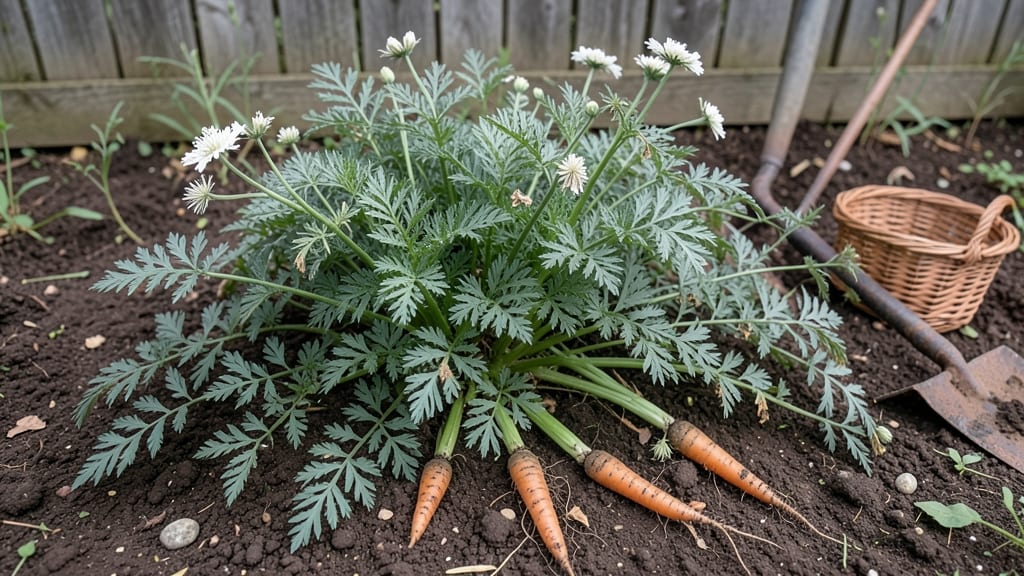
Picking carrots at the right time turns your garden into a treasure trove of sweet, crisp 🥕 perfection—wait too long, and you’re left with tough, bitter roots.
Knowing exactly when to harvest carrots can mean the difference between sweet, tender roots and tough, woody messes—so don’t wait until it’s too late!
Most gardeners miss the window because they focus on size alone, but the real clues are in the leaves and soil. A simple soil resistance test or checking for yellowing tops tells you when to pull—before flavor fades.
Below, I’ll walk you through the foolproof ways to pick at peak sweetness, from baby carrots to full-size harvests, so your garden stays productive all season.


How to tell when carrots are ready by leaf color & root size
Carrots are ready to harvest when their leaf color shifts from vibrant green to subtle yellowing at the edges, signaling maturity. The root size also plays a critical role—baby carrots reach 1–2 inches, while mature varieties should be 3–6 inches long.
Ignoring these cues can lead to woody, bitter roots that ruin your harvest. Paying attention to these visual and tactile clues ensures you enjoy the sweetest, crispiest carrots possible.
One of the easiest ways to check readiness is by examining the leaf color. Bright green leaves mean the carrot is still growing, while yellowing or browning edges indicate it’s time to harvest.
For baby carrots, the leaves may appear slightly wilted at the tips, but the roots are still tender. Meanwhile, overgrown carrots often show fully yellow or brown leaves, a sign they’ve passed their prime. This simple visual cue can save you from harvesting too early or too late.
Don’t overlook the soil resistance test, a tactile method that reveals whether your carrots are ready without digging. Gently grasp the carrot’s foliage near the base and pull upward—if it resists slightly but comes out cleanly, it’s perfect.
If the carrot snaps or won’t budge, it’s either underripe or overripe. This hands-on approach ensures you harvest at the ideal moment, avoiding the frustration of broken roots or tough textures.
The root size is another key indicator, but it varies by variety. Baby carrots (like 'Paris Market') are ready at 1–2 inches, while standard varieties (such as 'Danvers' or 'Nantes') should reach 3–6 inches.
Overgrown carrots—those exceeding 6 inches—often develop a hard, fibrous core and lose their sweetness. Measuring your carrots against these benchmarks helps you avoid the disappointment of overly large, tough roots.
Here’s a quick reference to guide your harvest timing:
For baby carrots, aim to harvest when the roots are about 1–2 inches long, as they’ll be the most tender and sweet. These smaller varieties are perfect for quick snacks or salads, offering a delicate crunch that larger carrots can’t match.
If you’re growing standard varieties, wait until the roots reach 3–6 inches—this ensures they’ve developed their full flavor and texture without becoming woody.
Timing your harvest correctly also depends on the season and variety. Early-season varieties like 'Early Nantes' mature faster (50–60 days), while later varieties such as 'Chantenay' take longer (70–80 days).
Always check the seed packet for days to maturity and adjust your harvest schedule accordingly. Planting in cool seasons (spring or fall) also helps prevent bolting, ensuring your carrots stay sweet and crisp.
If you’re unsure whether your carrots are ready, perform the soil resistance test again after a few days. This simple check can make all the difference between a perfect harvest and a disappointing one.
Remember, carrots won’t get sweeter after reaching maturity—they’ll only become tougher. So, when in doubt, harvest a few and taste-test them! This hands-on approach ensures you never miss the peak of flavor.
Once you’ve mastered these visual and tactile cues, you’ll never struggle with harvest timing again. Whether you’re growing baby carrots for quick meals or standard varieties for storage, these methods guarantee you’ll pick at the perfect moment. Happy harvesting! 🥕
The soil resistance test: how to check carrot readiness without digging
One of the most reliable ways to determine if your carrots are ready for harvest is the soil resistance test. This simple method lets you check root readiness without digging up your entire crop.
The key is understanding how much resistance your carrot roots should offer when gently pulled. Too firm? They need more time. Too loose? You might have missed the window.
This test works especially well for mature carrots (3–6 inches long) but can also help with baby carrots if you're harvesting early. The beauty of this method is that it preserves your garden's structure while giving you confidence in your harvest timing.
Plus, it’s a great way to avoid the frustration of pulling carrots that snap off mid-root.
-
Step 1: Select a healthy plant
Choose a carrot plant with vibrant green leaves and no signs of disease or pests. Avoid plants with yellowing or wilted foliage, as these may indicate stress or overmaturity. -
Step 2: Grip the foliage firmly
Hold the carrot leaves about 1–2 inches above the soil line. Use a gentle but firm grip—you want enough pressure to test resistance without damaging the plant. -
Step 3: Pull upward with steady pressure
Apply even pressure and pull straight up. A ready carrot will resist slightly but pop out cleanly from the soil. If it comes out too easily, it’s underripe. If it snaps or refuses to budge, it needs more time. -
Step 4: Inspect the root
Once pulled, check for damage or cracks. Discard any broken carrots to prevent pests from entering your garden. If the root is clean and firm, it’s harvest-ready!
If your carrots won’t budge during the test, don’t panic. Wait 3–5 days and test again. Overripe carrots can become woody and lose their sweetness, but this method helps you avoid that fate. For baby carrots, you’ll notice less resistance—just a slight give when pulled gently.
Pro tip: Test a few plants across your garden to account for variations in soil and growth rates. Some areas might dry out faster, causing carrots to mature unevenly. Always harvest on a dry day to make pulling easier and reduce soil sticking to your roots.
Mastering the soil resistance test takes practice, but once you get the feel for it, you’ll never second-guess your carrot harvest again. Happy digging—and enjoy those sweet, crisp roots at their peak! 🥕