
Watering
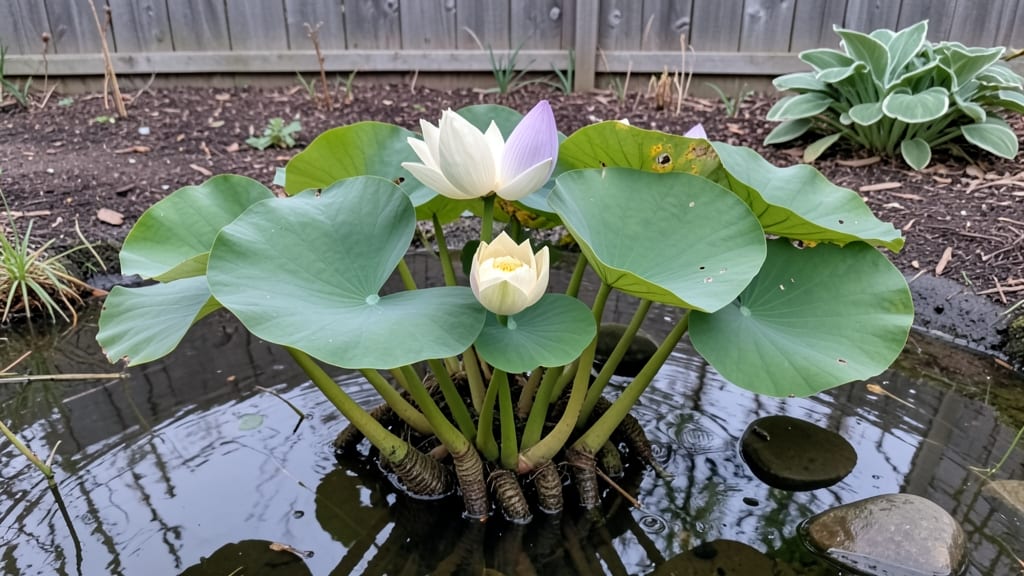
Creating a water lily garden transforms any pond into a tranquil oasis. 🌿 I started with a simple 4-foot-wide pond and now have a floating sanctuary that hums with life every summer.
The key isn't just the lilies—it's how they frame the water, reflect light, and attract dragonflies that dance above the surface.
You'll need a pond at least 12 inches deep, some hardy water lilies (like 'Stella d'oro' for sun or 'Black Dragon' for drama), and a few aquatic companions like cattails or water hyacinths.
The setup takes a weekend, but the payoff is months of vibrant blooms and that signature lily fragrance on warm evenings.
Picture it: velvety pads breaking the water's surface, blooms opening at dawn, and the entire scene glowing under string lights by night. Even in partial shade, the right varieties create lush, layered beauty that feels like a secret garden. The water stays cleaner too—those pads filter debris naturally.
Works in everything from small backyard ponds to large koi ponds, and adapts to containers for urban spaces. Here's how to make it happen without the overwhelm—trust me, your pond will thank you.
📚 In This Guide
- What you need
- Instructions
- Tips and common mistakes
- Wrapping up and next steps
What you need
- ● Water lilies: 3–5 hardy hybrids (e.g., Nymphaea 'Helvola' or 'James Brydon') per square foot of pond surface. Choose based on your pond’s depth (shallow-water for 1–3 ft, deep-water for 3+ ft).
- ● Pond liner: EPDM rubber or PVC (10–20 mil thickness), sized to cover your pond’s base + 12" overhang.
- ● Underwater pots: 2–3 per lily (10–12" diameter for small lilies, 14–16" for large varieties). Use porous clay or plastic pots.
- ● Gravel or sand: 2–3 inches to anchor pots and improve drainage.
- ● Pond water: Dechlorinated (use a water conditioner like Pond Shield).
- ● Garden trowel or pond plant hook for planting.
- ● Measuring tape (for pond depth and spacing).
- ● Gloves (waterproof, for handling soil and plants).
- ○ Pond thermometer (optional but helpful for tropical lilies).
- ● Floating pond plants (e.g., water hyacinth or lotus) to complement lilies.
- ● Pond dye (to reduce algae and enhance color).
- ● Fertilizer tablets (slow-release, like Miracle-Gro Shake 'n Feed).
- ● Decorative rocks or driftwood for aesthetics.
- ● Pond skimmer or fountain to improve water circulation.
Step-by-Step guide to creating a thriving water lily garden
Here's how to transform your pond into a lush, blooming water garden that attracts hummingbirds and soothes the soul.
🪴 Step 1: Choose the Right Pond Location and Prepare the Space
Water lilies need at least 18 inches of water depth to thrive, so measure your pond carefully. I always select a spot with 6+ hours of sunlight daily—shadier areas will produce fewer blooms. Clear any debris from the pond bottom and smooth out rough edges with a rake.
If your pond has fish, avoid planting lilies in areas where they'll shade the entire surface. You'll want at least 2 square feet of water surface per lily plant to prevent overcrowding. Mark planting zones with small stones so you remember where to place tubers later.
🌱 Step 2: Plant Water Lily Tubers at the Correct Depth
Gently place each tuber in a planting basket or weighted pot, securing it with the provided mesh or wire. Position the tuber 1-2 inches below the water surface—this ensures roots can anchor while leaves float freely. I use a long pole with a hook to place tubers in deeper ponds without disturbing the bottom.
Fill the planting basket with the 2-3 gallons of aquatic planting mix you've prepared, pressing it lightly around the tuber. The roots will spread into this mix over time. Space tubers 3-4 feet apart for medium-sized varieties and 4-5 feet apart for large tropical lilies.
☀️ Step 3: Maintain Proper Water Quality and Light
Water lilies thrive in 65-85°F water temperatures, so monitor your pond during heatwaves. If the water gets too warm, the lilies may produce fewer blooms. Add a small fountain or aerator if your pond is stagnant—gentle circulation prevents algae buildup that competes with lily roots.
You'll notice new leaves emerging within 4-6 weeks of planting. Watch for dark green, glossy foliage—this indicates healthy growth. If leaves appear yellow or wilted, it's often a sign of too much shade or poor water circulation. Adjust plant placement or add aeration as needed.
✂️ Step 4: Prune and Divide Plants for Continuous Blooms
After the first blooming season, you'll want to maintain your lilies by removing spent blooms and yellowing leaves. I use clean pruning shears to trim back dead foliage to 1 inch above the waterline. This encourages new growth and prevents disease from spreading through decaying plant matter.
Every 2-3 years, divide mature tubers to keep plants vigorous. Lift tubers in early spring before new growth appears, separate the clumps into 3-5 inch sections with at least one eye (growth node), and replant immediately. This prevents overcrowding and ensures bigger, more abundant blooms each season.
💧 Step 5: Winterize for Cold Climates
In colder regions, protect your water lilies by leaving the tubers in place but covering them with 12-18 inches of mulch or pond plants. I use a layer of aquatic plants like water hyacinths to insulate the tubers naturally. In very cold climates, you may need to lift tubers and store them in 50°F water in a dark container.
Spring is the perfect time to check for new growth. You'll see tiny buds emerging in late April or early May, depending on your climate. At this point, remove any winter mulch and adjust plant spacing if needed. With proper care, your water lilies will reward you with continuous blooms from June through September.
Tips & tricks for perfect water lily gardens
Creating a thriving water lily garden takes patience, but these tips will help you avoid common pitfalls and maximize your blooms.
The Depth Factor: The 18-inch minimum depth in Step 1 is crucial—shallower water leads to weak roots and fewer blooms. If your pond varies in depth, plant tubers in the deepest sections first. I've seen tubers planted too shallow develop leggy stems trying to reach sunlight, which weakens the plant over time.
Planting Precision: When positioning tubers 1-2 inches below the water surface in Step 2, use a small weight or sinker to keep them steady while filling planting baskets. I've found that tubers placed too deep struggle to get enough oxygen, while those too shallow develop weak roots. For tropical varieties, you can plant slightly deeper (2-3 inches) as they prefer warmer water.
Temperature Management: The 65-85°F range in Step 3 is ideal, but don't panic if your pond dips slightly outside this. Water lilies can tolerate temperatures down to 50°F briefly, especially hardy varieties. In hot summers, I've added floating plants like water lettuce to provide shade and help maintain stable temperatures. Monitor your pond daily during extreme weather changes.
Pruning Strategy: In Step 4, when trimming back dead foliage to 1 inch above the waterline, use sharp pruners to avoid tearing leaves. This clean cut prevents disease and encourages new growth. I've noticed that lilies pruned in early morning have less stress from the procedure—try this timing for healthier regrowth. For large ponds, consider using a small boat to access all planting zones efficiently.
Pro Tips for Water Lily Garden
- Creating a thriving water lily garden takes patience, but these tips will help you avoid common pitfalls and maximize your blooms.
- The Depth Factor: The 18-inch minimum depth in Step 1 is crucial—shallower water leads to weak roots and fewer blooms.
- Planting Precision: When positioning tubers 1-2 inches below the water surface in Step 2, use a small weight or sinker to keep them steady while filling planting baskets.
Frequently asked questions
Got questions about creating your dream water lily garden?
Here are some of the most common ones—plus expert tips to help you grow with confidence!
When is the best time to plant water lilies?
Plant water lilies in spring (after the last frost) or early summer for optimal growth. Avoid planting in fall—they need time to establish roots before winter. If you’re in a warm climate, late winter is fine. Just ensure the water temperature is above 60°F (15°C) for healthy root development!
How deep should the water be for water lilies?
Most water lilies thrive in 12–18 inches (30–45 cm) of water, but check the specific variety’s needs. Tropical lilies prefer 6–12 inches (15–30 cm), while hardy types can handle up to 24 inches (60 cm). Use a weighted pot or basket to keep them submerged at the right depth.
Will water lilies attract pests like frogs or mosquitoes?
Water lilies are great for wildlife—they provide shade for fish and habitat for frogs, turtles, and dragonflies! However, stagnant water can attract mosquitoes. To prevent this, add a small fountain or aerator to keep the water moving. Plus, lilies naturally reduce algae, which mosquitoes love to breed in.
Can water lilies survive winter in cold climates?
Hardy water lilies (like Nuphar or Nymphaea varieties) can overwinter in USDA Zones 3–10 if the pond doesn’t freeze solid. In colder areas, bury pots in 3–6 inches (7–15 cm) of soil at the pond’s deepest point. Tropical lilies, however, need to be digged up and stored indoors in a cool, dark place.
What if my water lilies aren’t blooming?
Blooming depends on light, nutrients, and maturity. Ensure your lilies get 6+ hours of sunlight daily and fertilize with pond-specific plant food in spring. Young plants may take 1–2 years to bloom. If they’re not blooming after that, check for overcrowding or poor water quality—they might need more space or a nutrient boost!
Wrapping up and next steps
Creating a water lily garden is more than just adding beauty to your pond—it’s an invitation to nature’s tranquility. Whether you’re a seasoned gardener or a beginner, these floating blooms bring life, color, and serenity to any water feature. 🌿✨
Now that you’re equipped with the right materials and answers to common questions, it’s time to dive in! Start small—pick one or two varieties to test the waters (literally), and watch your pond transform into a peaceful retreat. Happy planting! 🌸💦