
Pests
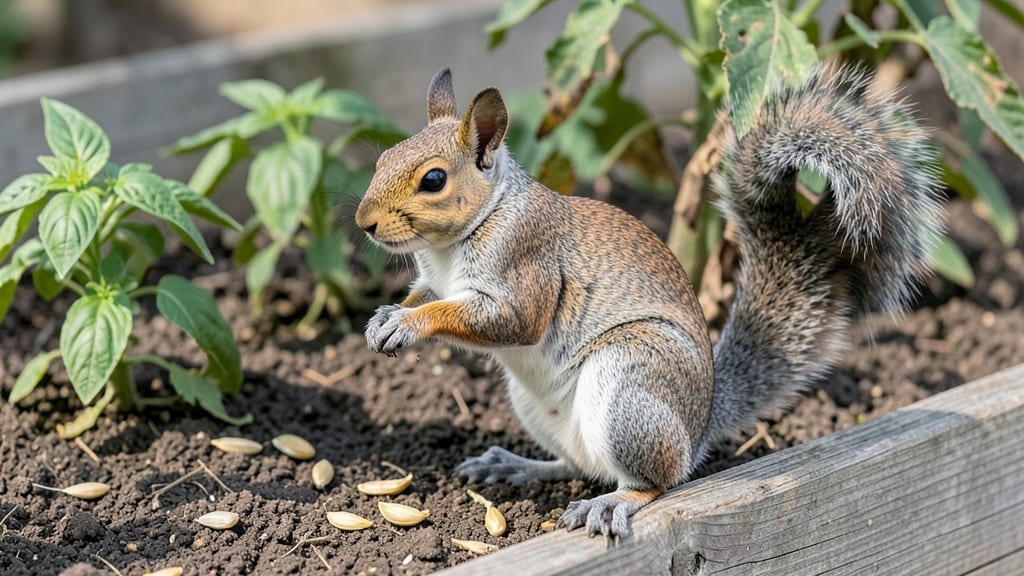
My squirrel prevention garden started after they demolished my first harvest in three days—no warning, just total chaos. 🌿 The key isn't chasing them away but designing a space they find boring or impossible to access.
Physical barriers like hardware cloth wrapped around raised beds or buried around young trees create invisible walls they can't chew through.
Scent-based deterrents work surprisingly well too—peppermint oil, garlic spray, or even predator urine (yes, that's a thing) make your garden smell like a predator's territory. Planting squirrel-resistant veggies like radishes, green onions, and leafy greens also helps, since they prefer nuts, fruits, and tender shoots.
What you'll end up with is a garden that squirrels ignore while still looking natural and thriving. The secret is combining multiple tactics—no single method works forever, but together they create a fortress. I've gone from losing everything to harvesting peacefully for months at a time.
This works for any garden size, from small containers to large plots, and adapts to different climates. The only real mistake is giving up too soon—squirrels are persistent, but so are these solutions.
Root Causes Of Squirrel Garden Raids
Squirrels don’t just wander into your garden by accident—they’re drawn by a mix of instinct, opportunity, and environmental cues. Understanding these triggers is the first step to creating an effective squirrel-proof garden.
Below, we break down the science behind why these bushy-tailed bandits target your plants, flowers, and even your bird feeders.
Squirrels are opportunistic foragers, meaning they’ll exploit any easy food source—especially when natural supplies are low. Here’s why your garden becomes a buffet:
- Seed & Nut Overload: Gardens packed with sunflowers, corn, or nut-bearing trees (like walnuts or pecans) mimic their wild diet.
A single squirrel can bury and forget thousands of seeds per year, but if your garden is too abundant, they’ll snack instead of stash. - Bird Feeders = Free Meals: Hungry squirrels see hanging feeders as an all-you-can-eat buffet.
Studies show that squirrels can consume up to 20% of a bird feeder’s contents in a single night if unchecked. - Seasonal Scarcity: In late summer and fall, squirrels hyper-cache (store food aggressively) to survive winter.
If your garden has easy-to-dig bulbs (like tulips or daffodils) or soft soil, they’ll turn it into a storage unit.
💡 Pro Tip: If you love bird feeders, opt for squirrel-resistant formulas (like safflower seeds) or use weight-activated feeders that only dispense food to smaller birds.
Squirrels need three key things to thrive: food, water, and safe nesting spots. Your garden might unknowingly offer all three:
- Dense Shrubbery & Trees: Evergreens, thick bushes, or even tall grasses provide cover from predators (hawks, owls, cats).
A squirrel will nest in your garden if it’s quieter and safer than the wild. - Attics & Roof Gaps: If your home has unsealed vents, chimneys, or gaps in the siding, squirrels will move in—especially in winter.
They chew through insulation, wires, and even drywall to nest. - Ground-Level Hiding Spots: Mulch piles, wood stacks, or unsecured compost bins create undisturbed burrows. A squirrel can dig a nest in under 30 minutes if the soil is loose.
✨ Actionable Fix: Trim branches hanging over your roof, seal entry points with steel wool and caulk, and keep mulch no deeper than 3 inches to deter digging.
Squirrels aren’t just hungry—they’re highly intelligent and territorial. They’ll investigate anything new in their range:
- Novel Objects = Exploration: A new birdbath, garden decoration, or even a freshly planted tree can trigger their curiosity.
They’ll climb, chew, and inspect—often damaging plants in the process. - Territorial Aggression: If a squirrel feels its domain is threatened (by another animal or a new garden layout), it may dig up plants, strip bark, or even attack pets to reclaim space. - Mating Season Chaos: During spring and fall, squirrels become more aggressive, leading to increased digging, bark stripping, and even garden destruction as they mark territory.
🎯 Prevention Hack: Use motion-activated sprinklers (like the ScareCrow) to startle them away from off-limits zones. The sudden spray mimics predator behavior and teaches them to avoid your garden.
Not all gardens are equally appealing to squirrels—soil texture, plant placement, and garden design play a huge role:
- Soft, Loose Soil = Easy Digging: Sandy or poorly compacted soil makes it too easy for squirrels to bury nuts or dig up bulbs.
They prefer soil where they can hide food without effort. - Open Garden Beds: Squirrels avoid dense, thorny plants (like roses or barberry) but love wide-open spaces where they can spot predators from a distance. - Water Sources: A birdbath, pond, or even a leaky hose can attract squirrels for hydration and bathing.
Once they’re in your garden for water, they’ll stay for food.
🔥 Quick Fix: Plant squirrel-deterrent ground covers like lavender, rosemary, or boxwood—their strong scents and prickly textures discourage digging.
Squirrels are fast learners, and if they discover your garden is an easy food source, they’ll return again and again:
- Past Success = Future Raids: If a squirrel finds one buried acorn or stolen sunflower seed, it will remember the location and return with reinforcements.
- Food Scattering: Even small amounts of fallen fruit, spilled birdseed, or uneaten pet food can train squirrels to associate your yard with meals.
- Lack of Predators: In suburban areas, squirrels face fewer natural threats (like foxes or owls), so they feel bold enough to raid gardens without fear.
🚫 Long-Term Solution: Remove all food sources (even fallen nuts) and avoid feeding squirrels intentionally. If they learn your garden isn’t a reliable food source, they’ll move on.
Squirrel behavior shifts with the seasons, meaning prevention strategies must adapt:
| Season | Why Squirrels Target Gardens | What They’re After |
|---|---|---|
| Spring | Nest-building & mating season | Soft bark (for nesting), bulbs (like tulips), bird eggs |
| Summer | Hydration & easy snacks | Fruits (berries, peaches), birdseed, irrigation leaks |
| Fall | Hyper-caching for winter | Acorns, nuts, buried seeds, garden veggies (like corn) |
| Winter | Food scarcity & shelter needs | Bark stripping (for sap), attic insulation, bird feeders |
⏰ Seasonal Tip: Fall is the worst time—squirrels will dig up entire gardens to bury nuts. Cover soil with wire mesh (1/4-inch hardware cloth) before October to block digging.
When food + shelter + curiosity + seasonal needs align, your garden becomes a squirrel magnet. The good news? Disrupting just one of these factors (like removing food sources or sealing entry points) can make your garden far less appealing.
Next, we’ll explore natural deterrents that exploit squirrel instincts—without harming them or your plants. 🚀
Quick Fixes for a Squirrel-Free Garden
Squirrels may be adorable, but they can turn your carefully cultivated garden into their personal buffet. The good news? With the right strategies, you can outsmart these furry thieves and protect your plants, flowers, and veggies.
Below, we’ve mapped out practical solutions based on the most common reasons squirrels invade your garden—and how to stop them for good.
Squirrels love to bury bulbs, dig up seedlings, or unearth freshly planted perennials. If your garden looks like a construction site, it’s time to block their access.
How to Fix It:
- 🔥 Use Physical Barriers Install chicken wire, hardware cloth, or mesh (with holes smaller than 1/2 inch) around vulnerable areas. Bury it 6–12 inches deep to prevent digging underneath. For container gardens, wrap wire around pots before planting.
- Pro Tip: 💡 Camouflage it! Use mulch or soil to hide the mesh so it blends into your garden.
- 🍳 Plant Squirrel-Resistant Alternatives Swap high-value targets (like tulips or hostas) for squirrel-deterrent plants:
- Daffodils (toxic to squirrels)
- Alliums (strong scent repels them)
- Marigolds (deter pests naturally)
- Lavender (squirrels dislike the smell)
- 👨🍳 Scare Them with Motion Motion-activated sprinklers (like ScareCrow) or reflective tape can startle squirrels away. Even a wind chime or old CDs strung near planting beds may do the trick.
If your tomatoes, apples, or berries vanish overnight, squirrels are likely the culprits. They’re opportunistic snackers and won’t hesitate to raid your harvest.
How to Fix It:
- 🥘 Cover Crops with Netting Use fine-mesh netting (like fruit tree netting) to cover vulnerable plants. Secure it tightly—squirrels can chew through weak spots!
- Pro Tip: ✨ Harvest early! Pick fruits and veggies as soon as they ripen to remove temptation.
- 🔪 Remove Food Sources
- Clear fallen fruits, nuts, or seeds from your yard.
- Store compost bins sealed and away from garden edges.
- Avoid feeding squirrels (even accidentally) with birdseed or pet food.
- ⏰ Use Repellents Spray-on repellents (like Squirrel Stop or hot pepper wax) can deter them. Reapply after rain. For a natural option, try predator urine (fox or coyote)—the scent confuses squirrels.
Squirrels gnaw on tree bark (especially in winter) or strip saplings for nesting material. If you see chewed bark or missing bark strips, act fast—they can kill young trees.
How to Fix It:
- 🌡️ Protect Tree Trunks Wrap tree guards (plastic or metal spirals) around trunks to block chewing. For small trees, use wire mesh wrapped tightly around the base.
- Pro Tip: 🎯 Apply bitter apple spray to bark—squirrels dislike the taste!
- 💪 Provide Alternative Nesting Set up squirrel houses away from your garden (at least 20 feet away) to give them a designated nesting spot.
- 🔥 Use Scent Deterrents Soak cotton balls in capsaicin (hot sauce) and place them near trees. The spicy smell keeps squirrels away.
If squirrels are burrowing under sheds, nesting in mailboxes, or chewing through garden hoses, they’re treating your yard like their personal real estate.
How to Fix It:
- 🏗️ Seal Entry Points
- Caulk gaps in sheds, decks, or fences.
- Install door sweeps on outdoor structures.
- Cover vents with 1/4-inch hardware cloth.
- 🌿 Relocate Existing Nests (Humanely!) If you find an active nest, wait until dark, wear gloves, and gently remove the squirrels (using a box trap) to a wildlife relocation site (check local laws first).
- 🎯 Make Your Garden Less Appealing
- Remove leaf litter (squirrels love nesting in it).
- Keep grass short—tall grass provides hiding spots.
- Add a predator decoy (like a fake owl or snake) near problem areas.
Once you’ve addressed the immediate issues, consistent prevention keeps squirrels from returning: ✅ Regularly inspect your garden for new digging or chewing. ✅ Rotate repellent methods (squirrels get used to one trick). ✅ Encourage natural predators (like owls or hawks) by installing perches or nesting boxes. ✅ Plant a "distraction garden" far from your main plants—fill it with squirrel favorites (like sunflower seeds) to lure them away.
Final Thought: 🔥 Squirrels are persistent, but you’re smarter! Combine physical barriers, scent deterrents, and habitat tweaks for the best results. With a little effort, your garden can stay squirrel-free—and thriving!
Frequently asked questions
What’s the most effective squirrel deterrent for vegetable gardens?
For vegetable gardens, combine physical barriers with scent deterrents. Wrap raised beds with 1/4-inch hardware cloth buried 12 inches deep to block digging. Add peppermint oil spray (10 drops per quart of water) to soil edges weekly—squirrels hate the smell. For container gardens, use wire mesh cages around individual plants.
Can I use predator urine to keep squirrels away?
Yes! Predator urine (fox or coyote) works well because squirrels associate it with danger. Apply it around garden edges, tree bases, and entry points. Reapply every 2-4 weeks or after rain. For a DIY version, soak cotton balls in hot sauce and water—the capsaicin creates the same effect.
How do I stop squirrels from digging up bulbs?
Use a double-layered approach: First, plant daffodils or alliums (squirrels avoid their scent). Then, cover the area with 1/4-inch wire mesh, securing it with landscape staples. Bury the edges 6 inches deep to prevent tunneling. For existing bulbs, sprinkle red pepper flakes around planting areas.
Are there any squirrel-resistant plants I can grow?
Opt for daffodils, lavender, marigolds, or boxwood—their strong scents and textures deter squirrels. For veggies, try radishes, green onions, or leafy greens (squirrels prefer nuts, fruits, and tender shoots). Even roses with thorns act as natural barriers while adding beauty to your garden.
Will motion-activated sprinklers really work long-term?
Yes, but with a twist! Squirrels initially get startled by motion-activated sprinklers, but they adapt over time. To keep them effective, rotate sprinkler locations every 2-3 weeks and pair them with reflective tape or wind chimes for extra confusion. The key is unpredictability—squirrels can’t learn to avoid what keeps changing!