
Picking
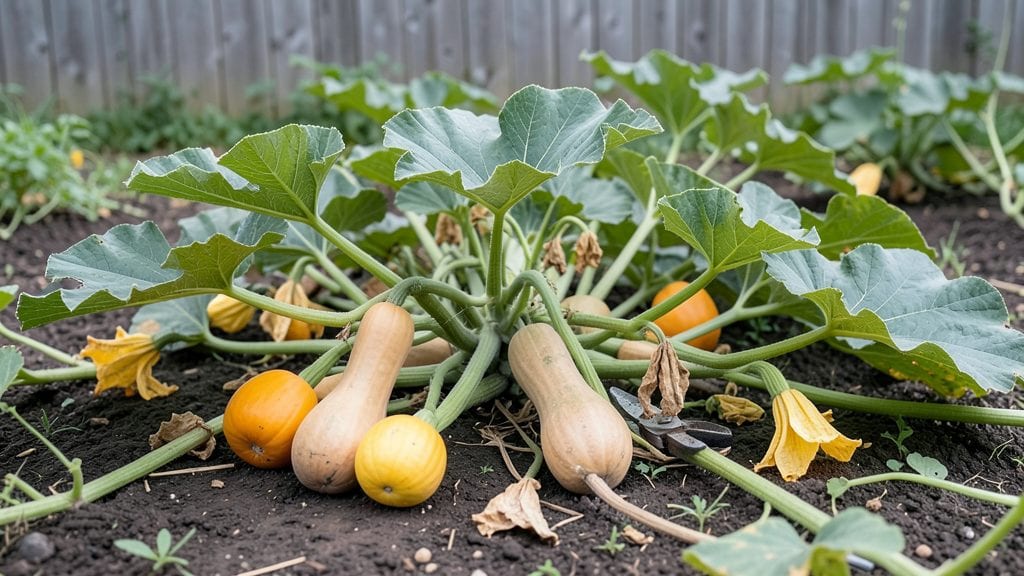
Knowing when to pick butternut squash from your garden transforms your harvest from tough and bitter to sweet, velvety perfection.
Butternut squash is one of the most rewarding vegetables to grow—but timing your harvest wrong means tough, stringy flesh or wasted effort. One week too early, and you’ll miss peak flavor; one week too late, and the vines will shrivel up with nothing to show for it.
Here’s the secret: three simple visual cues—skin color, stem condition, and rind hardness—that tell you exactly when to harvest, plus how to adjust for your climate. No guesswork, just perfect squash every time.
In just a few minutes, you’ll learn how to check for ripeness, avoid common mistakes, and store your harvest for months of delicious meals.
3 Essential visual cues to determine butternut squash ripeness
Harvesting your butternut squash at the perfect moment transforms a good crop into an exceptional one. Unlike some vegetables that tolerate early picking, squash rewards patience—waiting for the right visual maturity cues ensures sweet, dense flesh and a longer storage life.
The key lies in observing three non-destructive indicators that reveal when your squash is ready to harvest.
First-time growers often struggle with timing because butternut squash doesn't ripen like tomatoes or peppers. There's no color shift from green to red—just subtle changes in skin texture, stem condition, and overall firmness.
Mastering these visual cues means you'll avoid the heartbreak of picking too early (tough, watery flesh) or too late (wrinkled, hollow squash). Let's break down each clue so you can confidently harvest at peak flavor.
Look for a shift from bright green to matte tan or beige near the stem. This color change indicates the chlorophyll breakdown and sugar development that signals ripeness.
The stem should harden and dry out, turning from green to brown. Gently tug—if it snaps cleanly (not pulling the squash), it's ready. A flexible green stem means more time is needed.
Press your fingernail into the rind near the stem. If it doesn't pierce easily and feels wood-like, the squash is mature. A soft spot means it needs 1-2 more weeks on the vine.
Healthy vines should begin yellowing naturally as they redirect energy to the squash. If leaves wilt suddenly from disease or pests, harvest immediately to salvage what you can.
Timing your harvest also depends on your climate zone. In warmer regions (like USDA Zone 8+), butternut squash typically matures by early September, while cooler climates (Zone 5-6) may need to wait until October.
The 90-day rule is a good starting point, but always prioritize visual cues over calendar dates—especially if your growing season is shorter.
One common mistake is waiting until the skin turns completely beige all over. While this can happen, the critical color change occurs near the stem. The rest of the squash may stay green—this is normal!
Focus on the neck area (where the stem attaches) for the most reliable indicator. For example, my 2022 harvest had squash that looked fully green externally but tested perfectly ripe when I checked the stem area.
To test without damaging your squash, use the "thumb press" method. Apply gentle pressure with your thumb—ripe squash will feel solid and resilient, while unripe ones yield slightly.
This method works even if you're unsure about the stem's condition. Pro tip: Harvest on a dry morning to prevent fungal issues during curing.
Seasonal variations matter too. In shorter growing seasons, prioritize the hardness test over color, as cooler temperatures can slow the skin's natural maturing process. Conversely, in hot climates, the skin may darken faster—don't rush the harvest just because it looks mature.
Always confirm with the stem and rind tests to avoid overripe squash.
Once you've confirmed ripeness, use a sharp pruning saw or clean garden shears to cut the stem, leaving a 1-inch stem attachment. This prevents rot during storage.
After harvesting, let your squash cure in warm, dry conditions (70-80°F) for 7-10 days to develop its full sweetness and extend shelf life.
Remember: The first frost is your deadline. If your squash isn't ready by late October, harvest it anyway—it'll still be edible (though less sweet) and can be roasted or used in soups.
But with these visual cues, you'll likely beat the frost every time and enjoy the peak flavor that comes from perfect timing. 🎃
Butternut squash harvest mistakes: how to avoid picking too early or too late
Picking your butternut squash too early results in bland, watery flesh, while waiting too long can mean tough skin and wasted effort. Both mistakes happen more often than you'd think—even to experienced gardeners.
The key lies in recognizing 3 critical visual cues that signal whether your squash is ready or overripe.
Premature harvesting is the most common error, especially when squash look plump but still green. Many gardeners assume size means readiness, but that’s not always true. Overripe squash, on the other hand, often goes unnoticed until the vines start dying back.
Both scenarios lead to disappointment, but spotting these mistakes early can save your harvest.
⚠️ Warning: The 3 Signs You're Picking Too Early
Soft spots on the rind mean the squash isn’t fully mature. Press gently—if it yields like a ripe tomato, wait 1-2 weeks more. Pale green color near the stem is another red flag; ripe butternuts develop a beige or tan hue. Finally, a flexible stem indicates immaturity—only harvest when it’s dry and brown.
Climate zones play a surprising role in harvest timing. In warmer regions (Zones 8-10), butternut squash may ripen 2-3 weeks earlier than in cooler areas. For example, in Zone 7 or colder, you might need to extend the growing season with row covers or wait until late September.
Always check your local first frost date—harvesting too close to frost can stunt flavor development.
Overripe squash is just as problematic as underripe. Look for wrinkled skin or a hollow stem—these are clear signs the squash has passed its prime. The flesh may also develop stringy texture or bitter notes.
If you miss the window, don’t panic: overripe squash can still be used for soups or roasting, but it won’t have that sweet, nutty flavor you’re aiming for.
For gardeners in shorter growing seasons, plan ahead by choosing early-maturing varieties like 'Waltham Butternut' (80 days) or 'Gold Rush' (90 days). These varieties give you a buffer if your season is cut short. Always monitor your squash’s progress weekly—consistency is key when dealing with seasonal crops.
Pro tip: Use a fingernail test for quick checks. Press the rind near the stem—if it doesn’t puncture easily, your squash is ready. If it sinks in, wait another week. This simple trick saves hours of guesswork and ensures you harvest at peak sweetness.