
How To
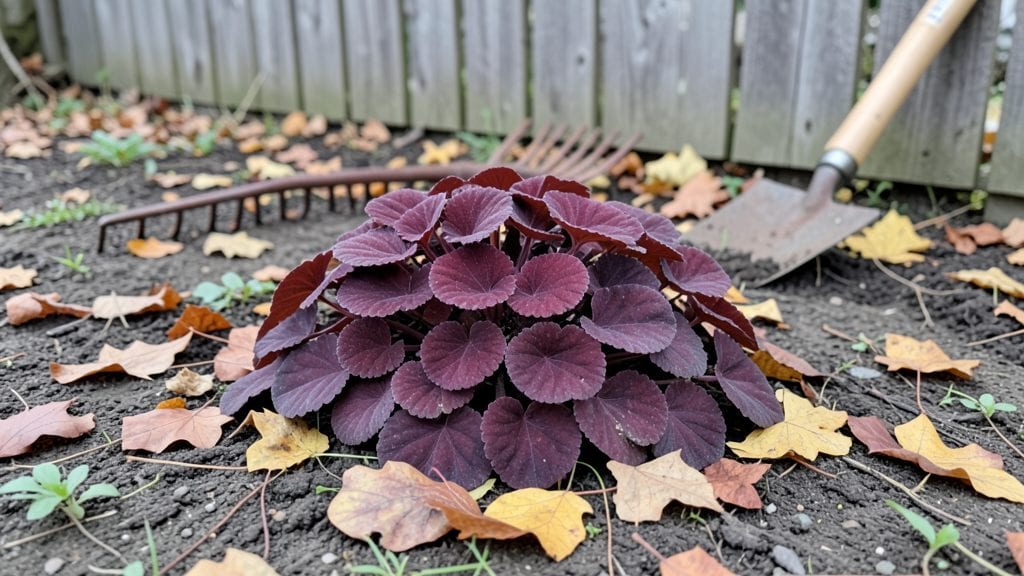
Learn how to use fall leaves in your garden—they’re free soil boosters waiting to be put to work. 🌿 I’ve turned my annual leaf pile into a garden secret weapon, and you can too without extra effort.
The key is knowing when to rake, shred, or layer them for maximum benefit.
Start by collecting dry leaves in late fall after the first frost, when they’re brittle and disease-free. Shredding them speeds up decomposition, while whole leaves make excellent mulch around perennials or shrubs. A thick layer insulates roots, retains moisture, and feeds soil microbes over winter—nature’s free fertilizer.
📚 In This Guide
- What you need
- Instructions
- Tips and common mistakes
- Wrapping up and next steps
What you need
- ● Fresh or dry fall leaves – Aim for at least 3–4 inches of leaves (or about 10–15 lbs per 100 sq ft) for mulching. Avoid diseased or moldy leaves.
- ● Garden gloves – A pair of durable, breathable gloves (e.g., leather or nitrile-coated) to protect your hands from thorns and debris.
- ● Rake or leaf blower – A medium-sized rake (8–12 teeth) or a leaf blower (200–300 CFM) for gathering and spreading leaves efficiently.
- ● Shovel or garden fork – A sturdy shovel (12–18 inches wide) or garden fork for turning soil or mixing leaves into compost.
- ● Wheelbarrow or large bins – A 5–7 cubic foot wheelbarrow or compost bins (32–64 gallons) to haul and store leaves.
- ● Water source (hose or sprinkler) – For dampening leaves if mulching or wetting them down for composting.
- ● Leaf shredder or lawn mower – A manual or electric leaf shredder (or a mulching mower) to break leaves into smaller pieces for faster decomposition.
- ● Compost thermometer – A digital or analog thermometer ($10–$20) to monitor compost pile heat if making leaf mold.
- ● Garden twine or burlap sacks – For bundling leaves into leaf mulch "tea bags" or storing them neatly.
- ○ Soil test kit – To check your garden’s pH and nutrient levels before adding leaf mulch (optional but smart!).
- ● Kneeling pad or stool – For comfort if you’ll be working close to the ground.
Step-by-Step instructions for using fall leaves in your garden
Turn those crisp autumn leaves into garden gold with these simple, effective methods.
🌿 Step 1: Collect and Prepare the Leaves
Rake up leaves from your lawn or neighborhood (with permission) and avoid those treated with herbicides—chemicals can harm your soil. I like to gather them in a wheelbarrow or tarp, then shake them out to remove debris like twigs or dirt. For large piles, a leaf blower works great to separate the good from the bad.
If the leaves are still mostly intact, you can use them directly. But if they're small and shredded, they'll break down faster. For best results, chop them into smaller pieces with a lawn mower or shredder. This speeds up decomposition and makes them easier to spread evenly. Think of it like giving your soil a nutrient-rich blanket—just finer and more manageable.
💧 Step 2: Apply Leaves as Mulch Around Plants
Spread a 3-4 inch thick layer of leaves around the base of perennials, shrubs, and young trees. Avoid piling leaves directly against stems or trunks—this can cause rot or attract pests. Instead, create a donut shape around the plant, leaving a 2-3 inch gap in the center.
For vegetable gardens, mix shredded leaves into the soil before planting next season. This adds organic matter and improves soil structure over time. You'll notice the soil feels lighter and drains better after a few months. For lawns, lightly rake leaves into the grass to feed the soil as they decompose naturally—this is how I keep my lawn healthy with minimal effort.
☀️ Step 3: Create Leaf Mold for Next Year’s Soil Boost
Fill a 5-gallon bucket or large bin with whole or shredded leaves, then moisten them until damp (like a wrung-out sponge). Place the bin in a shady spot—sunlight will dry them out too quickly. In 6-12 months, the leaves will transform into leaf mold, a crumbly, nutrient-rich soil amendment that improves moisture retention and aeration.
I like to use leaf mold in my compost pile or mix it directly into garden beds in early spring. It’s like giving your soil a spa treatment—smoother, richer, and better at holding moisture. If you’re impatient, you can speed up the process by adding a handful of soil or compost to the bin to introduce microbes that break down the leaves faster.
✂️ Step 4: Use Leaves to Protect Delicate Plants
For tender perennials or newly planted shrubs, create a 6-8 inch thick leaf layer over the root zone before the first frost. This acts as natural insulation, protecting roots from freezing temperatures. In early spring, simply rake the leaves away once new growth appears—your plants will thank you with stronger, healthier foliage.
You can also use leaves to smother weeds in pathways or between garden beds. A thick layer blocks sunlight, preventing weed seeds from germinating. Just check occasionally to ensure leaves aren’t compacting into a mat—break them up if they start to feel like cardboard. This method saves me hours of weeding every spring.
🪴 Step 5: Feed Your Compost Pile with Leaves
Add leaves to your compost pile in equal parts with nitrogen-rich materials like grass clippings or kitchen scraps. This balances the carbon-to-nitrogen ratio, speeding up decomposition. I like to layer leaves with greens, then moisten the pile to keep it active. Turn the pile every few weeks to aerate it and speed up the process.
If your compost pile smells sour or slows down, it’s likely too wet. Add more leaves to absorb excess moisture. The ideal mix should resemble a damp, crumbly loaf of bread—neither soggy nor dry. Within 3-6 months, you’ll have finished compost ready to enrich your garden beds or potting mix.
Tips & tricks for perfect fall leaf utilization
Here's what nobody tells you about making the most of autumn's natural bounty—these tricks turn leaves from yard waste into garden gold.
Leaf Preparation Matters: In Step 1, when you're deciding whether to use whole or shredded leaves, remember that smaller pieces break down faster but may blow away more easily. For mulching, I find whole leaves work best—they create a cozy, insulating layer that lasts through winter. If you're making leaf mold, shredding speeds up the process by about 30%, but you'll need to weigh down the pile to prevent scattering.
Mulching Technique: That 3-4 inch thick layer in Step 2 is perfect, but here's the secret: fluff the leaves before spreading them. Packed leaves create a barrier that blocks air and water, while fluffy leaves allow moisture to penetrate while still insulating roots. For trees, I like to create a "donut" shape with a 2-3 inch gap—this prevents moisture buildup right against the trunk where rot can start.
Leaf Mold Acceleration: When creating leaf mold in Step 3, don't just add soil—sprinkle in a handful of finished compost or worm castings. This introduces beneficial microbes that will break down the leaves 2-3 times faster than waiting for natural decomposition. I also like to use a perforated bin with drainage holes to prevent soggy, anaerobic conditions that create unpleasant odors.
Winter Protection Pro Tip: For Step 4's frost protection, add a layer of straw or evergreen boughs on top of your 6-8 inch leaf layer. This creates an extra insulating barrier against extreme cold. In early spring, I always check for compacted leaves—if they've turned into a dense mat, I break them up with a rake to allow air circulation and prevent fungal growth.
Pro Tips for Use Fall Leaves In Your Garden
- Here's what nobody tells you about making the most of autumn's natural bounty—these tricks turn leaves from yard waste into garden gold.
- Leaf Preparation Matters: In Step 1, when you're deciding whether to use whole or shredded leaves, remember that smaller pieces break down faster but may blow away more easily.
- Mulching Technique: That 3-4 inch thick layer in Step 2 is perfect, but here's the secret: fluff the leaves before spreading them.
Frequently asked questions
Got questions about turning fall leaves into garden gold?
You’re not alone! Here are answers to the most common queries to help you make the most of your autumn foliage—without the guesswork.
When is the best time to rake and use leaves in the garden?
Rake leaves after they’ve fallen but before they turn mushy or moldy—typically late fall (November) or early winter (December). If you’re using them as mulch, wait until the ground is cool (around 40°F or lower) to protect soil and plants from freezing. For leaf mold (composted leaves), collect them anytime in fall/winter and let them decompose over months.
Will wet or moldy leaves harm my garden?
Wet or moldy leaves can compact into a thick, waterproof mat that smothers plants or attracts pests like slugs. To avoid this, shred leaves first (with a lawnmower or shredder) or spread them thinly (2–3 inches max). If mold is already present, compost the leaves with greens (like grass clippings) to speed up decomposition and balance pH.
Can I use leaves from trees treated with pesticides or herbicides?
Avoid leaves from trees sprayed with systemic pesticides (like those for emerald ash borer) or glyphosate-based herbicides, as residues can linger and harm soil microbes or plants. Stick to leaves from untreated trees, organic landscapes, or your own pesticide-free yard. When in doubt, compost leaves separately for 6+ months to reduce risks.
What’s the difference between leaf mulch and leaf mold?
| Leaf Mulch | Leaf Mold |
|---|---|
Whole or shredded leaves spread directly on soil (1–3 inches). |
Finely decomposed leaves (like peat moss) made by composting leaves for 1–2 years. |
Best for immediate soil protection and winter insulation. |
Ideal for long-term soil enrichment—light, fluffy, and great for seed-starting mixes. |
Use now! No waiting. |
Requires patience—store in a bin until ready. |
Why do I see bugs or pests after adding leaves?
Leaves are a buffet for pests like slugs, earwigs, or rodents—especially if they’re thick or damp. To deter critters, shred leaves finely, avoid piling them near plant bases, and add diatomaceous earth or coffee grounds to borders. For slugs, create barriers with copper tape or crushed eggshells. Most beneficial insects (like ground beetles) will balance things out over time!
Pro Tip:
Need a quick fix? Bag shredded leaves in a mesh bag and bury them near perennial beds—they’ll decompose slowly, feeding roots all winter. Just poke holes for airflow!
Wrapping up and next steps
Fall leaves aren’t just a seasonal sight—they’re a powerhouse for your garden! From enriching soil to protecting plants, these natural treasures can transform your outdoor space with minimal effort. Whether you’re mulching, composting, or crafting leaf mold, every step brings you closer to a healthier, low-maintenance garden.
Ready to dive in? Start small—gather a few bags of leaves this weekend and experiment with one of the ideas above. Before you know it, you’ll be harnessing the magic of fall like a pro! 🌿✨