Picking
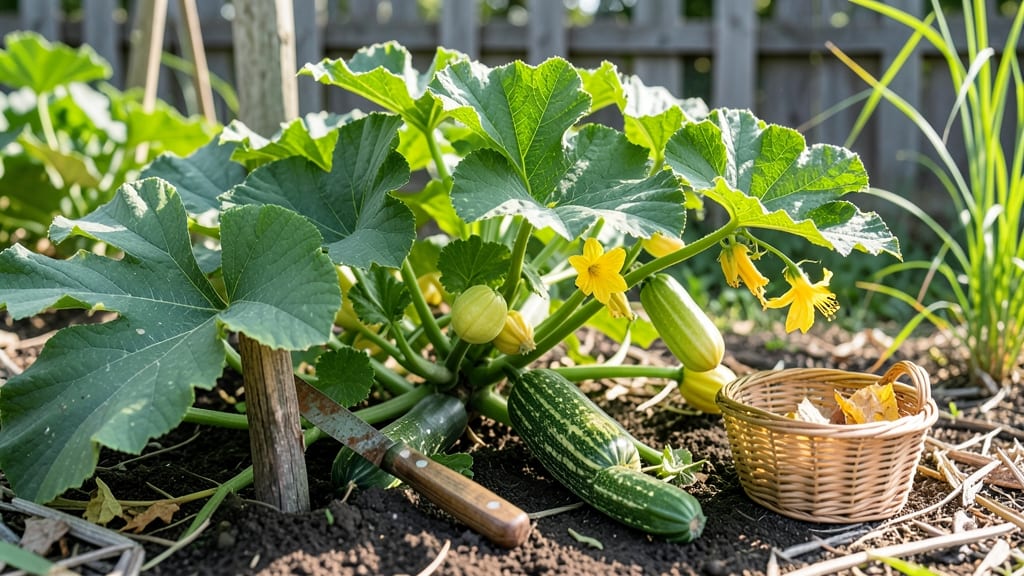
Knowing when to pick squash from the garden means the difference between a meal-worthy harvest and a tough, seedy mess—here’s exactly when to reach for your pruning saw.
Picture this: you’ve waited all summer for your squash to ripen, only to find it’s either still rock-hard or so overripe the seeds are the size of marbles. That’s why timing matters—because squash doesn’t get a second chance once it’s left too long on the vine.
Here’s the good news: with the right cues—color, texture, and even a simple thumbprint test—you can nail the perfect harvest window every time. No more guesswork, no more wasted effort.
In this guide, I’ll walk you through the foolproof signs to look for, from zucchini to pumpkins, so you can pull your squash when it’s at its peak—flavorful, tender, and ready for the kitchen.
How to determine squash ripeness by color and size
Squash ripeness isn’t just about guessing—it’s about visual cues and physical tests that tell you when to harvest. The right color and size ensure peak flavor and tender texture, while waiting too long leads to tough, seedy squash.
I’ve learned the hard way that ignoring these signs means sacrificing quality, so let’s break it down by variety and what to watch for.
Color is your first clue, but it varies by type. Yellow squash should transition from pale green to a bright golden hue, while zucchini turns deep green with a slight sheen. Summer squash like pattypan or crookneck develop rich, uniform colors—green, yellow, or orange—without any uneven patches.
Don’t rely solely on color, though; size and texture matter just as much.
Variety
Ideal Color
Size Range
Key Ripeness Test
Zucchini
Deep green, glossy
6–8 inches long
Firm skin, thumbprint test passes
Yellow Squash
Bright yellow, uniform
6–10 inches long
Hard skin, no soft spots
Pattypan
Green, yellow, or orange
3–4 inches wide
Ridges firm, color vibrant
Crookneck
Yellow or green
5–7 inches long
Neck straight, skin tough
Acorn Squash
Dark green, hard rind
4–6 inches wide
Hefty weight, no dents
Size matters just as much as color. Most summer squash varieties like zucchini and yellow squash should be harvested when they’re 6–10 inches long. If you let them grow larger, they become woody and seedy.
For example, zucchini should be picked at 6–8 inches—any longer, and the flesh turns fibrous. Pattypan squash, with its scalloped shape, should be 3–4 inches wide when ready.
One of the biggest mistakes I see is overestimating ripeness based on color alone. A squash might look fully colored but still be underripe inside. Always check the skin’s firmness—press your fingernail into the skin.
If it leaves a shallow dent, it’s not ready. If it doesn’t dent at all, it’s likely overripe. The thumbprint test is your secret weapon for nailing the perfect harvest.
For yellow squash, the color shift from green to yellow is a clear signal, but don’t rush—wait until the color is uniform and vibrant.
Some varieties, like golden zucchini, stay green until fully ripe, so size and texture are even more critical. Orange varieties, such as butternut or delicata, develop a deep, consistent hue and a hard rind when ready to pick.
Watch for common color mistakes that trick gardeners. For instance, uneven coloring or patchy shades can mean the squash isn’t fully mature. Sun exposure plays a role here—squash on the shady side of the plant might stay pale. Rotate your plants to ensure even sunlight and consistent ripening.
If you notice yellowing leaves on the vine, it’s a sign the plant is redirecting energy to seed production, meaning your squash will quickly go from perfect to overripe.
Don’t forget that harvest timing varies by variety. Some squash, like crookneck, ripen faster than others, while acorn squash takes longer to reach its hard, glossy skin. Pay attention to the growth rate of your specific plants—if they’re producing squash quickly, check them every 2–3 days.
If they’re slower growers, a weekly inspection suffices. The key is consistency in monitoring.
Once you’ve mastered the color and size cues, you’ll never again pick squash too early or too late. The next step? Learning the thumbprint test to confirm ripeness with your fingertips. Trust me, your future meals—and your garden’s productivity—will thank you for it.
🎃
The thumbprint test and texture clues for perfect harvest timing
When it comes to squash, texture is your best friend for determining the perfect harvest time. Unlike color, which can vary by variety, the thumbprint test gives you an instant read on ripeness—no guesswork required.
I’ve used this trick for years, and it’s saved me from picking squash too early (tough and bland) or too late (seedy and stringy). The key lies in that sweet spot where the skin yields just enough to leave a faint indentation.
Start by gently pressing your thumb into the squash’s skin near the stem. For summer squash like zucchini or yellow squash, you’re looking for a firm but yielding surface—like pressing your thumb into a ripe avocado. The skin should give slightly but bounce back quickly.
If it springs back immediately, the squash needs more time. If it stays indented, it’s overripe. This test works best on the side of the squash, away from the stem where the skin is thickest.
⚠️ callout-warning
If your squash leaves a deep thumbprint that doesn’t bounce back, it’s past its prime. Overripe squash develops hard, fibrous seeds and a bitter, watery flesh. Worse, the vines may start dying back, leaving you with no more harvests. For winter squash like butternut or acorn, wait until the skin is hard as a rock—the thumbprint test won’t work here, but the skin should resist even firm pressure.
For zucchini and other tender varieties, aim for a 1-2 inch diameter when harvested. If you let them grow larger, the flesh becomes stringy and tough, and the seeds multiply.
I like to check my squash every 2-3 days during peak season—morning is ideal because the skin is firmer after a cool night. Pro tip: Use a serrated knife or pruners to avoid crushing the fruit when cutting from the vine.
Texture troubles? Here’s how to fix common issues. If your squash feels spongy or mushy, it’s likely underripe—give it a few more days in the sun. If the skin is wrinkled or shriveled, it’s overripe and past its best.
For uneven texture, check the growing conditions: inconsistent watering or poor soil drainage can cause irregular ripening. Keep your plants well-watered and mulched to maintain even moisture.
Don’t overlook the stem as another clue. When squash is ready, the stem should separate cleanly from the vine with minimal resistance. If it tugs or tears, the squash isn’t fully ripe yet.
For heirloom varieties, like Pattypan or Delicata, the stem might still be attached but the skin should be hard and glossy. Always harvest with a sharp knife or pruners to prevent damage to the plant.
Once you’ve mastered the thumbprint test, you’ll never second-guess your harvest timing again. The secret is consistency: check your squash regularly, and don’t wait until you’re overwhelmed by a sudden glut.
A little daily attention ensures you’ll always have fresh, flavorful squash ready for the kitchen—or the compost pile, if you’ve missed the window! 🎃