
Picking
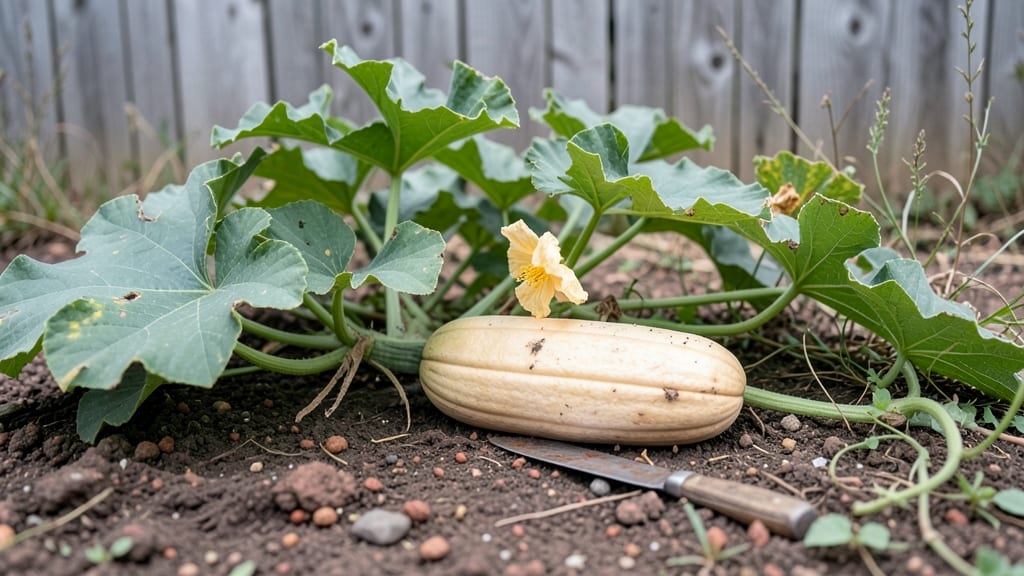
Harvesting spaghetti squash at the right time turns your garden into a noodle factory—wait too long, and you’ll end up with tough, dry strings instead of tender, fork-friendly strands.
Picking your spaghetti squash 🎃 at the wrong time means tough, dry strings instead of tender, noodle-like perfection—don’t let that happen in your garden! The difference between a restaurant-worthy dish and a culinary misstep often comes down to timing.
Most varieties need between 80 to 120 days to mature, but the real magic happens when you spot the right visual cues: a dull yellow rind, a slightly dried stem, and a vine that’s starting to yellow. Miss these signs, and you risk squash that’s either underripe or overripe.
In this guide, I’ll walk you through the three key signs to harvest your spaghetti squash at peak perfection, plus how to handle it afterward so it stays fresh longer—no more guesswork, just great-tasting results.
3 Visual cues to identify perfect harvest time for spaghetti squash
Harvesting your spaghetti squash at the right moment transforms it from a tough, unyielding fruit into a tender, stringy delight that cooks up like perfect pasta. But how do you know when it's truly ready?
Unlike some squashes that rely on size alone, spaghetti squash demands a closer look at three key visual cues—each one a clear signal that your harvest is just days away.
The most reliable way to avoid overripe or underripe squash is to check these three expert-approved signs: the rind's color shift, the stem's drying process, and the vine's natural decline.
Ignore these cues, and you risk ending up with a squash that's either too hard to cut or so soft it falls apart when handled. Let's break down what to look for so you can harvest at peak perfection.
-
1. Rind Color Dulls to Yellow or Tan
Start by examining the rind's color. When fully ripe, it shifts from bright green to a dull yellow or tan. Press your thumbnail into the skin—if it doesn’t spring back, it’s ready! -
2. Stem Dries and Hardens at the Base
Check the stem's texture. A ripe squash will have a dry, papery stem that’s slightly shriveled. If it’s still soft or green, wait a few more days. -
3. Vine Yellows and Begins to Die Back
Observe the vine's health. When the leaves turn yellow and crispy, it’s a sign the plant is redirecting energy to the squash. This is your final cue!
These three signs work together like a checklist for success. For example, if your squash has a dull yellow rind but the stem is still green, give it another week—it’s not quite ready.
Conversely, if the vine is already dead but the rind is still bright green, you’ve missed the window and may end up with a woody texture.
Pro tip: Morning harvests are ideal because squashes lose moisture quickly in the heat. Use a sharp pruning saw or clean knife to cut the squash from the vine, leaving a 1-inch stem stub to prevent rot.
Avoid dragging squash across the soil—handle them gently to preserve their delicate skin.
Climate plays a role too. In hot, dry regions, squashes may ripen faster, so check them every 3-5 days starting at 80 days after planting.
In cooler areas, extend your timeline to 90-100 days. If frost threatens before your squash ripens, harvest early and cure them indoors to finish maturing.
One common mistake is assuming size equals ripeness. A squash can grow large but remain underripe if the rind stays green. Always prioritize the visual cues over size—a smaller squash with the right color and stem condition will always outperform a giant green one.
After harvesting, let your squash cure in the sun for 3-5 days to harden the skin and improve storage life. Store them in a cool, dry place (50-55°F) where they’ll keep for 2-3 months.
If stored properly, your perfectly harvested spaghetti squash will reward you with silky strings every time.
Next time you’re debating whether to harvest, trust these three foolproof visual cues. Your taste buds—and your dinner guests—will thank you for the perfectly ripe spaghetti squash that cooks up like a dream! 🎃
How long does spaghetti squash take to mature? Timeline from planting to harvest
Timing is everything when growing spaghetti squash—this warm-season crop thrives on patience, transforming from tiny seeds into noodle-worthy harvests in just the right window. Understanding the growth stages helps you plan for peak harvest season, whether you're in a short summer zone or enjoy a long fall.
From seedling to maturity, here's what to expect in your garden.
Most spaghetti squash varieties reach maturity in 80 to 120 days, but the ideal harvest window typically falls between 90 and 100 days after planting. This timeline assumes you've planted seeds after the last frost, when soil temperatures hit at least 60°F (15°C).
In cooler climates, extend this window by starting seeds indoors or using black plastic mulch to warm the soil.
Climate plays a huge role—southern gardeners may harvest as early as late August, while northern growers might not see ripe squash until October or November. Frost-sensitive vines need to be harvested before temperatures drop below 40°F (4°C), so plan accordingly. If you're in USDA Zone 6a or colder, prioritize early-maturing varieties like 'Golden Delicious' or 'Tivoli' to avoid frost damage.
| Growth Stage | Days After Planting | Key Milestones | Climate Notes |
|---|---|---|---|
| Seedling | 7–14 days | First true leaves appear, vines spread 1–2 ft | Keep soil warm; thin seedlings to 2 ft apart |
| Vegetative Growth | 21–45 days | Vines sprawl 3–5 ft, male/female flowers emerge | Full sun essential; water deeply 2x/week |
| Flowering | 45–60 days | Yellow blooms appear; fruit begins swelling | Hand-pollinate if bees are scarce; fertilize lightly |
| Fruiting | 60–90 days | Squash grows 1–2 ft long; rind hardens | Reduce water slightly to improve flavor |
| Harvest Ready | 90–120 days | Dull yellow rind, dry stem, heavy weight | Harvest before first frost; cure in sun 3–5 days |
If you're growing spaghetti squash in containers, expect a slightly shorter timeline—70 to 90 days—since potted plants mature faster due to warmer root zones. However, container-grown squash may yield smaller fruits, so choose bush varieties like 'Space Saver' or 'Wee Bee' to maximize production.
Always use a large container (at least 5-gallon) with drainage holes to prevent root rot.
Pro tip: Track your plant's progress with a garden journal. Note when flowers appear and when the first fruit swells—this helps predict your harvest window more accurately. For example, if flowers bloom in early July, expect harvest-ready squash by mid-September in most climates.
Adjust for your local last frost date to avoid missing the boat on a perfect crop.
Don't let unpredictable weather throw off your harvest plans. If a late spring delay pushes your planting date back, opt for fast-maturing varieties or extend your season with row covers.
The key is balancing days to maturity with your local growing season—because nothing beats the satisfaction of pulling a homegrown spaghetti squash at just the right moment! 🎃