Picking
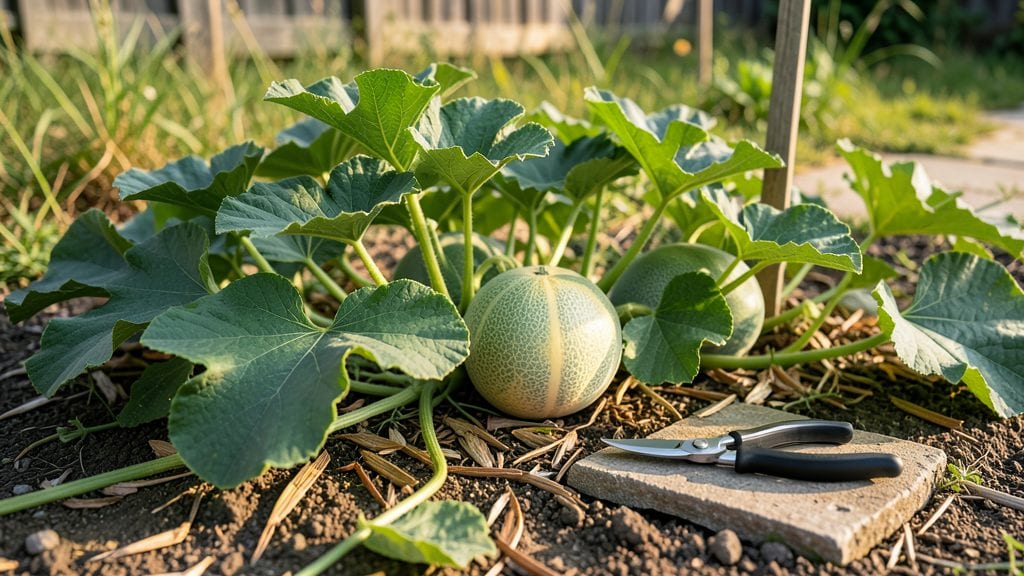
To pick cantaloupe from your garden at peak sweetness, watch for a creamy rind, a sweet fragrance, and a stem that slips easily—these signs mean your 🍈 is ready to harvest.
Picking cantaloupe at the wrong time means sacrificing sweetness, texture, and flavor—so how do you know when your homegrown fruit is truly ready? These simple visual cues will help you harvest at peak perfection.
Cantaloupe thrives in USDA Zone 6a during summer months, but even in ideal conditions, timing is everything. A ripe cantaloupe should yield slightly to gentle pressure and smell like a mix of honey and musk near the stem.
Below, I’ll walk you through the exact cues to look for, plus how to test for ripeness beyond just color. By the end, you’ll never second-guess when to pluck your cantaloupe again.


3 Visual cues to identify perfectly ripe cantaloupe
There's nothing worse than slicing into a cantaloupe that's either too hard or mushy. The secret to peak flavor lies in mastering these three visual cues that tell you exactly when to harvest.
I've learned this the hard way—my first cantaloupe harvest had me picking too early, and the fruit tasted bland. Now, I rely on these simple checks to guarantee sweet, juicy perfection every time.
Cantaloupes don't ripen further after picking, so timing is everything. Miss these visual signals, and you risk underripe fruit that's tough and seedy or overripe melons that turn to mush. The good news?
These cues are easy to spot once you know what to look for. Let's break down the most reliable indicators so you can confidently harvest at the perfect moment.
Visual cues are your best friend when it comes to cantaloupe ripeness. Unlike some fruits that continue to ripen off the vine, cantaloupes reach their sweetest point while still attached. That means you need to pay attention to three key visual changes that happen right before harvest time.
Ignoring these can lead to disappointment—trust me, I've made that mistake more times than I'd like to admit!
-
1Vine Separation: The stem near the fruit should slip easily when you gently twist it. If it resists, wait another day. This is the most reliable cue because it shows the fruit is detaching naturally from the vine.
-
2Color Changes: Look for a cream or tan rind with pronounced netting. Avoid greenish spots—they mean it's not ready. The rind should also feel slightly softer when pressed gently with your thumb.
-
3Stem Texture: The stem where the fruit connects should dry out and turn brown. A green stem means the cantaloupe isn't ready yet. This change happens just before the fruit is fully ripe, so keep an eye on it daily during peak harvest season.
Let's start with the most foolproof sign: vine separation. When cantaloupes are ready, they naturally detach from the vine with minimal effort. To test this, grasp the fruit firmly near the stem and give it a gentle twist.
If it separates easily, congratulations—you've got a ripe cantaloupe! If it doesn't come loose, wait another 24 hours. This method works even if the other visual cues aren't perfectly aligned yet.
Next, pay close attention to color changes on the rind. A ripe cantaloupe should transition from greenish-white to a cream or tan hue. The netting pattern (those web-like lines) should also become more pronounced. Pro tip: Avoid picking fruit with any remaining green spots—they indicate underripeness.
I once picked a cantaloupe with a few green patches, and it was disappointingly bland. Now, I wait until the entire surface is uniformly tan.
The stem texture is another critical clue that many gardeners overlook. As the cantaloupe ripens, the stem where it connects to the vine will dry out and turn brown.
This change happens just before the fruit is fully ripe, so check this area daily during the last week of the growing season. A green stem means the cantaloupe needs more time, while a brown, dry stem signals it's nearly ready for harvest.
Here's a common mistake I see even among experienced gardeners: picking based on size alone. Just because a cantaloupe looks big doesn't mean it's ripe. Some varieties grow large but remain hard and tasteless inside.
Always combine the three visual cues—vine separation, color, and stem texture—for the most accurate assessment. This three-step check has saved me from countless disappointments in my garden.
One trick I've learned from local farmers is to harvest in the morning when the fruit is cool. This makes it easier to judge the stem's readiness and ensures you're picking at the optimal time of day.
Plus, morning-picked cantaloupes tend to stay fresher longer. I now make it a habit to check my cantaloupes first thing in the morning before the heat of the day sets in.
If you're growing cantaloupes in containers or raised beds, these visual cues still apply, but you might need to check more frequently since container-grown plants can ripen faster. I've found that cantaloupes in pots often show these ripeness signs 2-3 days earlier than those in the ground.
Keep a close eye on them, especially if your garden gets hot and sunny.
Remember, cantaloupes won't ripen further after picking, so don't wait too long once you see these signs. The moment the stem slips easily and the rind turns tan, it's time to harvest.
Store your cantaloupes in a cool, dry place (around 50-55°F) to extend their shelf life, but enjoy them as soon as possible for the best flavor. With these visual cues, you'll never miss the perfect harvest again!
How to test cantaloupe ripeness beyond visual clues
When your cantaloupe's rind color and stem texture seem borderline, don't guess—test for ripeness like a pro. These three foolproof methods go beyond what you see to reveal the fruit's true sweetness potential.
I've used these tricks in my own garden to avoid bitter, underripe melons or mushy overripe ones. Let's dive into the science behind each test so you can harvest with confidence.
First, the thumbprint test is my go-to when visual cues are unclear. Gently press your thumb into the blossom end (the flat side where the stem attaches). If the skin yields slightly but doesn't dent deeply, that's your sign—it's ripe.
A hard surface means it needs more time, while a deep dent suggests it's overripe. This test works because ripe cantaloupes develop natural sugars that soften the rind just enough to create that perfect give.
Scent evaluation is another game-changer, especially for varieties with thick rinds that hide their true ripeness. Simply sniff near the stem—ripe cantaloupes emit a sweet, musky aroma that's unmistakable. If you catch a whiff of that signature scent, your melon is ready to pick. Pro tip: Do this test in the morning when flavors are most concentrated. I've found that afternoon heat can sometimes mask the scent, leading to false readings.
Next, grab your cantaloupe and give it the weight check. A ripe melon should feel heavy for its size because it's packed with juice and sugars. Lift it in your hands—if it feels light, it's still developing.
For extra accuracy, compare two melons side by side. The heavier one is almost always the riper choice. This method works because water content increases as the fruit matures, making ripe cantaloupes noticeably denser.
Don't overlook the stem separation test, which is my favorite for late-season melons. Gently twist the fruit at its stem attachment point—if it slips free with minimal pressure, it's ready.
Resistance means it needs more time, while a stem that pulls away easily but leaves part attached suggests it's overripe. This test works because the stem naturally dries and weakens as the fruit matures, creating that telltale separation point.
For container-grown cantaloupes or those in shady spots, these tests become even more critical since visual cues can be misleading. I've found that container melons often ripen faster due to warmer root zones, so I check them every other day starting at 70 days after planting.
The thumbprint test is especially reliable here because container soil can dry out unevenly, affecting rind development.
Remember, these tests work best when used together. A melon that passes two out of three is probably ready, while one that fails all three needs more time.
With practice, you'll develop an instinct for when your cantaloupes are at their peak—just like I have after years of testing these methods in my own backyard garden. The key is patience and consistency. 🌿