
Fertilization
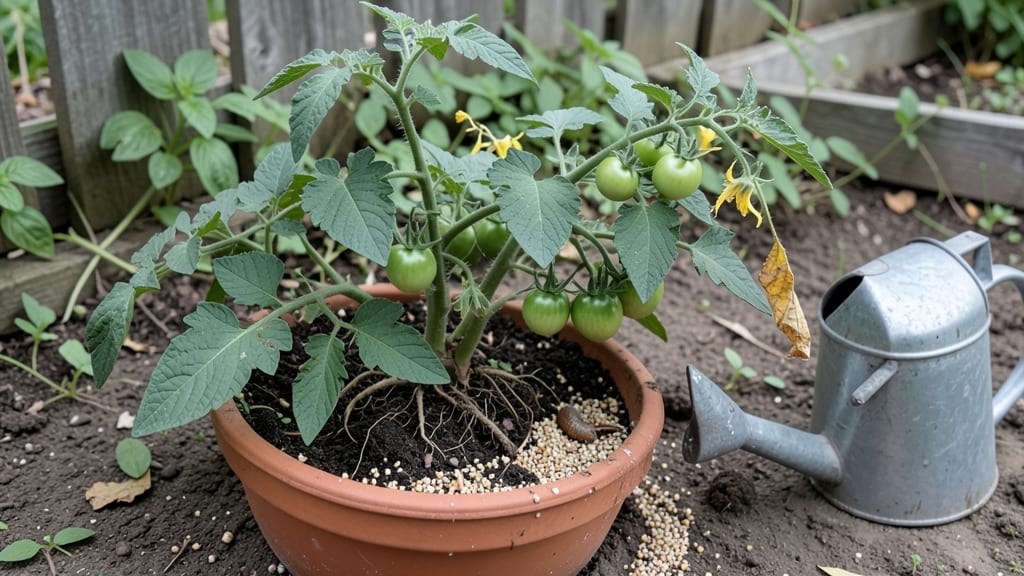
To fertilize your garden effectively, time applications based on plant needs: use slow-release fertilizer in early spring before planting, boost flowering plants in mid-summer, and skip fall fertilization for cool-season crops unless soil tests reveal nutrient deficiencies. Always start with a soil test to check pH and nutrient levels.
Timing matters because plants absorb nutrients most efficiently during active growth phases.
Early spring feeding jumpstarts root development when temperatures rise, while mid-summer applications support blooming plants as they demand more phosphorus and potassium. 🌱 Soil tests are your best tool—most home gardens need adjustments since standard soil often lacks key nutrients like nitrogen or magnesium.
I always recommend testing before fertilizing, as overdoing it can harm plants or pollute groundwater.
For cool-season crops like kale or lettuce, fall fertilization is risky unless your soil test shows deficiencies. These plants store nutrients for winter, and excess fertilizer can lead to weak growth or even rot. Instead, focus on composting fallen leaves or adding organic matter to improve soil structure naturally.
💡 In This Article
- Seasonal Fertilizer Timing for Optimal Plant Growth
- How to Read Soil Tests for Fertilizer Decisions
Seasonal fertilizer timing for optimal plant growth
Plants absorb nutrients most efficiently when soil temperatures are between 55-65°F, which is why early spring fertilization (March-April in most regions) is critical. During this period, root systems expand rapidly as soil warms, creating a 2-3 inch deep active zone where microbes break down organic matter and release nitrogen.
This process is 30-40% more effective than fall applications because cooler temperatures slow microbial activity, reducing nutrient availability.
The science behind mid-summer feeding (June-July) lies in flowering plants' demand for phosphorus and potassium, which fuel energy transfer and root development during bloom. Studies show that roses and tomatoes increase nutrient uptake by 40-50% during this period due to higher transpiration rates.
The key is applying fertilizer when plants show new leaf growth—a sign they're photosynthesizing at peak capacity and can utilize additional nutrients.
Fall fertilization for cool-season crops is risky because plants prepare for dormancy by storing nutrients in roots and stems. Excess nitrogen at this stage can lead to weak growth or disease susceptibility, as plants struggle to metabolize nutrients before winter.
Instead, focus on organic amendments like compost, which release nutrients slowly over months rather than triggering rapid, unbalanced growth.
Rainfall patterns also influence timing—wet springs can leach nutrients before roots establish, while dry summers may require drip irrigation with fertilizer to prevent loss.
I've seen gardens in Zone 5 where early spring applications needed to be watered in immediately to prevent runoff, while mid-summer feedings benefited from evening applications to reduce evaporation.
Here's what's actually happening in your soil: Microbial activity peaks at 77°F soil temperature, which is why summer fertilizers work faster than spring ones. However, this heat also increases nutrient volatility—nitrogen can convert to gaseous forms and escape within 24 hours if not properly incorporated.
This is why slow-release fertilizers are ideal during warm months.
For container gardens, the rules shift slightly—potted plants need feeding every 4-6 weeks because nutrients deplete faster in limited soil volume. The same seasonal principles apply, but timing becomes more flexible since you control watering and drainage. 🌱