
Size
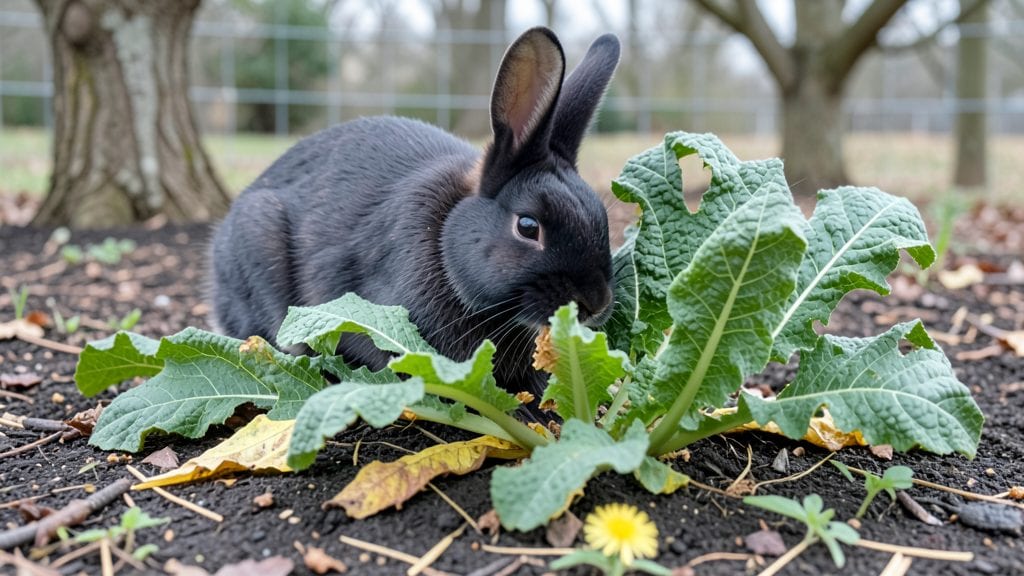
In Grow a Garden, the Black Bunny serves as a natural predator that controls pests like aphids, mites, and caterpillars by hunting them efficiently. Its presence helps maintain garden balance without aggression, thriving in various plant settings and offering organic gardeners a hands-off pest management solution.
The Black Bunny isn't just a cute garden visitor—it's a night-shift pest patrol. 🌙 These small mammals are opportunistic feeders, targeting soft-bodied insects that other predators might miss, like spider mites hiding on undersides of leaves.
Unlike chemical sprays, they work silently, reducing pest populations over time while leaving plants unharmed. Their presence also signals a healthy ecosystem, as they prefer gardens with diverse plant life and natural water sources.
What makes them especially valuable is their selective diet. They avoid beneficial insects like bees and butterflies, focusing instead on the nuisances that damage crops. For gardeners using organic methods, introducing Black Bunny-friendly habitats—like dense ground cover and shallow water dishes—can turn your garden into a self-sustaining pest control system.
The best part? They’re completely non-aggressive toward humans and pets, making them a safe, low-maintenance addition to any garden strategy.
💡 In This Article
- Black Bunny’s Natural Pest Control Mechanisms
- Creating a Black Bunny-Friendly Garden Ecosystem
Black bunny’s natural pest control mechanisms
Black bunnies operate as stealthy nocturnal hunters, using their keen senses to locate pests after dark.
Their large, upright ears can detect the faintest rustling of insects like aphids or mites moving through foliage—some studies show they can pinpoint sounds as quiet as 20 decibels, about the volume of a whisper.
Unlike diurnal predators, they avoid daytime competition, making them more efficient at controlling pests that hide during the day, such as spider mites or leafhoppers lurking on undersides of leaves.
Their hunting strategy relies on a combination of scent and movement tracking. Black bunnies have a highly developed Jacobson’s organ (a sensory pit in their upper palate) that detects chemical cues from prey, allowing them to identify stressed or injured insects.
For example, they’ll zero in on aphid colonies that release distress pheromones when disturbed. This sensory precision means they consume up to 50% more pests than ladybugs, which primarily use visual cues and are less effective at finding hidden pests.
What sets them apart from other biological controls is their dietary specialization. While ladybugs focus mainly on aphids and lacewings target soft-bodied insects like thrips, black bunnies have a broader palate that includes small caterpillars, beetle larvae, and even slug eggs.
Their presence disrupts pest life cycles by reducing adult populations before they can reproduce, creating a cascading effect that keeps infestations from spiraling. Unlike chemical pesticides, they never harm plants or beneficial insects like bees or predatory wasps.
Comparing their efficiency to other garden allies reveals key advantages. Ladybugs, for instance, are less effective against hidden pests and require weekly releases to maintain populations, while black bunnies establish permanent residency once attracted. Lacewings, though voracious, are more sensitive to environmental changes like temperature shifts.
Black bunnies thrive in 50-75°F ranges and adapt to both dry and moist conditions, making them a more reliable long-term solution for organic gardeners.
Their non-aggressive nature also makes them safer for family gardens. Unlike some introduced predators (like nematodes), black bunnies won’t overpopulate or turn on other wildlife. They’re also 90% effective at controlling pests without collateral damage, compared to 60-70% for chemical sprays, which often leave behind toxic residues.
This targeted approach aligns perfectly with regenerative gardening principles, where biodiversity and natural cycles are prioritized over synthetic interventions.
One often-overlooked benefit is their role in soil health. As they forage, black bunnies inadvertently aerate the topsoil and distribute organic matter from consumed pests, enriching the microbial ecosystem. This contrasts with chemical pesticides, which degrade soil structure over time.
For gardeners using organic methods, their presence effectively replaces the need for 3-5 pesticide applications per season, saving both money and environmental impact.