
Container Gardens
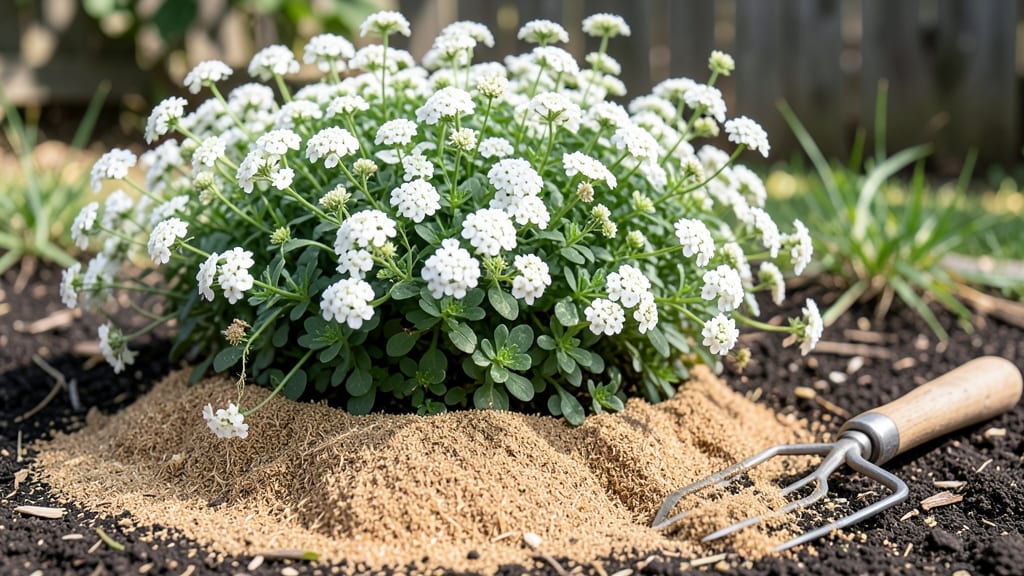
Adding sawdust to garden beds boosts soil health by locking in moisture, crowding out weeds, and enriching the earth as it breaks down. To prevent nutrient loss, always use aged sawdust in thin layers—never fresh—and steer clear of pine varieties for plants sensitive to acidic conditions.
Sawdust acts like a natural sponge in garden beds, helping roots stay hydrated while its gradual decomposition feeds soil microbes. 🌱 The key is balance—too much can smother plants or create a nitrogen drain, so I recommend mixing it with compost or manure to offset any nutrient competition.
For container gardens, a 1-inch layer spread lightly over the soil surface works wonders without risking compaction.
What sets sawdust apart from other mulches is its fine texture, which breaks down faster than wood chips but slower than straw. This makes it ideal for long-term soil improvement, especially in raised beds where aeration matters.
Just remember: never use sawdust from treated wood, and always test your soil's pH first—some plants like blueberries thrive with its acidity, while others need neutral conditions.
💡 In This Article
- How Sawdust Enhances Soil Health and Plant Growth
- Best Practices for Applying Garden Sawdust Safely
How sawdust enhances soil health and plant growth
Sawdust transforms garden soil through a three-step process: moisture retention, microbial activation, and gradual humus formation. The fine particles create tiny air pockets that improve aeration while their fibrous structure holds 30-50% more water than bare soil—ideal for drought-prone gardens.
This works because sawdust's cellulose structure absorbs water like a sponge, releasing it slowly to roots over 2-4 weeks as it decomposes.
The decomposition process is where magic happens. Aged sawdust (stored for 3-6 months) breaks down into humus at a steady rate, feeding beneficial microbes that outcompete weeds. Fresh sawdust, however, creates a "nitrogen sink"—it robs soil of nitrogen as microbes work overtime to decompose it, potentially stunting plant growth.
The difference is measurable: aged sawdust adds 0.5-1% organic matter annually, while fresh sawdust can reduce available nitrogen by up to 20%.
Unlike wood chips or straw, sawdust's fine texture integrates seamlessly into soil without creating compaction. When mixed into the top 2-3 inches of soil, it mimics the structure of forest floors where fallen leaves and branches decompose naturally.
This creates an ideal environment for earthworms and mycorrhizal fungi, which improve nutrient uptake by 30-50% in some cases. The key is proper preparation—always mix sawdust with compost or manure to balance its carbon-rich nature with nitrogen.
For container gardens, sawdust's benefits are particularly noticeable. A 1-inch layer on potting mix surfaces reduces watering frequency by 25-40% while preventing crust formation. The decomposition also creates a slow-release fertilizer effect, supplying trace minerals like potassium and magnesium over time.
What's surprising is how effectively it suppresses weeds—its dense layer blocks 90% of light reaching weed seeds, compared to 60-70% for straw mulch.
One common misconception is that all sawdust works the same way. Hardwood sawdust (oak, maple) breaks down slower and raises soil pH slightly, while softwood (pine, cedar) decomposes faster but lowers pH—critical for acid-loving plants like blueberries.
The decomposition rate varies dramatically: pine sawdust may decompose in 6-12 months, while oak takes 2-3 years. This timing affects how quickly you'll see benefits in your garden.
For composting, sawdust acts as an excellent "brown" material, but it must be mixed in 1:1 or 1:2 ratios with "green" materials like grass clippings. Too much sawdust creates a dry, compacted compost pile that won't heat properly.
The ideal moisture level should feel like a wrung-out sponge—if you squeeze a handful and water drips out, it's too wet; if it crumbles easily, add more water. This balance is what turns sawdust from a potential problem into one of your garden's most valuable resources. 🌿