
Tools
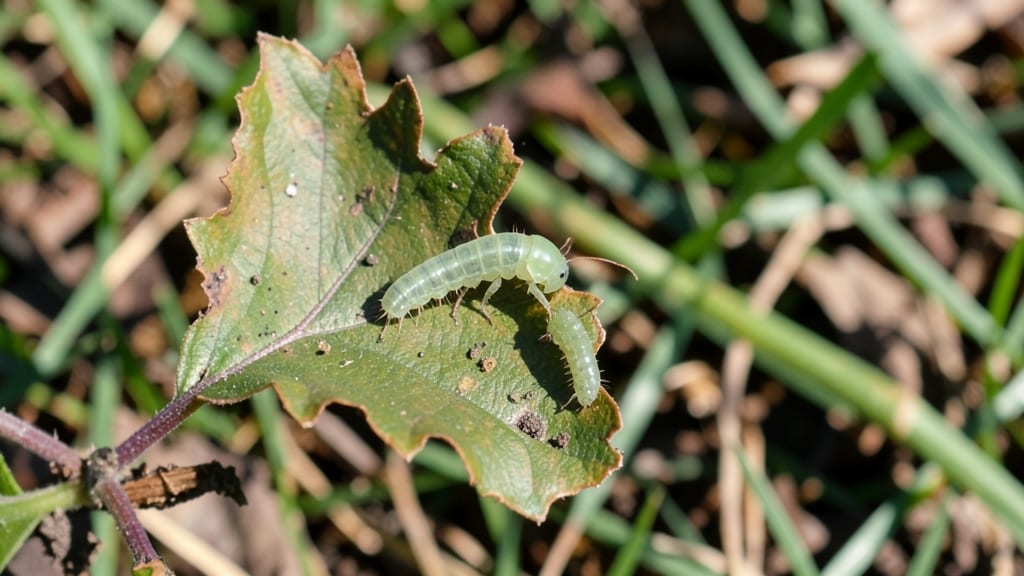
My gardening bug net saved my first batch of tomato seedlings from a cabbage moth attack last spring. 🌱 The moment I draped that fine mesh over my flats, I knew I'd found a better way than sprays—one that protected my plants without poisoning the soil or the bees buzzing nearby.
These nets aren't just for seedlings—row covers shield entire plantings from flea beetles, cabbage worms, and even hungry deer when stakes hold them up. The lightweight fabric lets water and air through while keeping pests out, and you can use them from early spring planting right through harvest season.
Best part? They're reusable for years, unlike those flimsy plastic tunnels that collapse after one use.
You'll see stronger, healthier plants with fewer holes in the leaves and more energy going into fruit instead of repair. My tomatoes grew twice as fast under the net, and the flavor? Unbeatable. The key is securing the edges tightly so pests can't crawl underneath—no gaps, no problems.
Works for organic gardens, container setups, and even small raised beds. Whether you're growing brassicas, berries, or delicate herbs, this tool keeps your harvest safe without the chemical trade-offs. Let's get those plants protected the right way.
What Lures Unwanted Visitors
Even the most meticulously maintained gardens can become a buffet for pests like aphids, whiteflies, and hungry beetles. But why do these tiny intruders keep showing up? Understanding the root causes helps you use a gardening bug net effectively—and prevent future invasions. Here’s why pests crash your garden party.
🌱 Overcrowded or Weak Plants
Pests thrive where plants are stressed, whether from overcrowding, poor soil, or disease. When plants compete for nutrients, water, or sunlight, their defenses weaken. Soft, tender leaves become an easy snack for aphids and caterpillars, while damaged roots attract fungus gnats and other soil-dwelling pests.
- Actionable fix: Prune overgrown plants, space them properly (follow seed packet guidelines), and rotate crops yearly to disrupt pest life cycles.
- Science note: Healthy plants produce volatile organic compounds (VOCs) that repel pests naturally. Stress = fewer VOCs = open invitation.
🍂 Seasonal Surges and Life Cycles
Pests don’t invade randomly—they follow predictable life cycles tied to temperature, humidity, and plant growth stages. For example:
- Aphids explode in spring when new shoots emerge (their favorite food!).
- Japanese beetles peak in summer (June–August) when roses and grapes are lush.
- Whiteflies flock to greenhouses or warm climates year-round but surge when humidity rises.
Pro tip: Use a gardening bug net as a preventive shield during peak pest seasons (check local agricultural extensions for your region’s timeline).
🌡️ Climate and Microclimates
Pests love cozy conditions—think shady, damp corners or sun-baked soil that retains heat. Microclimates (like the shelter under a patio or the humidity near a drip irrigation line) create pest hotspots.
| Pest | Preferred Conditions | How to Disrupt Them |
|---|---|---|
| Slugs & Snails | High humidity, mulch, or evening dew | Use copper tape or dry mulch (gravel, pine straw). |
| Fungus Gnats | Overly moist potting soil (60%+ moisture) | Let soil dry between waterings; add sand or perlite. |
| Spider Mites | Dry, hot air (they thrive in low humidity) | Mist plants regularly; use hose-down sprays to wash them off. |
Key insight: A gardening bug net acts as a climate buffer—blocking pests before they find your garden’s perfect microclimate.
🍽️ Attractive Plants and Pollen
Some plants are like neon signs to pests. Sweet-smelling flowers (e.g., basil, marigolds) draw pollinators—but also aphids and whiteflies. Succulents and citrus lure scale insects, while corn and squash become buffets for cucumber beetles.
- Actionable fix: Interplant repellent herbs (e.g., rosemary, thyme) or trap crops (like nasturtiums for aphids).
- Science note: Plants release pheromones that pests detect from miles away. A gardening bug net cuts off this chemical invitation.
🧪 Human Habits That Help Pests
Even well-meaning gardeners accidentally invite pests with:
- Over-fertilizing → Soft, sugary growth = aphid heaven.
- Ignoring fallen leaves/debris → Hides eggs and larvae over winter.
- Reusing contaminated tools → Spreads diseases (e.g., tomato mosaic virus) that weaken plants.
- Watering at night → Keeps foliage damp, inviting fungal pests like slugs.
Quick win: Clean tools with rubbing alcohol, remove debris, and water at morning to let plants dry fast.
Quick Fixes for Common Bug Barrier Problems
Even the best gardening mesh screens can run into hiccups—whether it’s pests slipping through, nets tearing, or wind turning your setup into a tangled mess. The good news? Most issues have simple, DIY-friendly fixes. Below, we’ll tackle the most common problems with step-by-step solutions and pro tips to keep your garden pest-free and frustration-free.
If bugs are sneaking past your net, the issue is likely gaps, holes, or improper installation.
🔧 Fix: Inspect and Reinforce the Net
- 🔍 Step 1: Check for Tears or Weak Spots Run your fingers along the mesh—feel for snags, loose threads, or holes larger than ¼ inch. Pro tip: Use a bright flashlight to spot tiny tears in low light.
- 🧵 Step 2: Patch It Up For small holes: Use a fine-mesh patch kit (available at garden stores) or sew with monofilament fishing line (invisible and strong).
For larger tears: Replace the damaged section with a new piece of mesh, overlapping edges by 1–2 inches and securing with zip ties or stitching. - 🌬️ Step 3: Weight Down the Net Secure the edges with bricks, sandbags, or landscape staples to prevent wind from lifting it.
For tall plants, use flexible stakes to create a snug tunnel.
💡 Prevention Tips
- 🛡️ Choose the Right Mesh Size: Opt for 16–20 mesh (smaller holes = fewer pests).
Larger holes (like 30+ mesh) let flies and beetles through. - 🔄 Inspect Before Each Use: Store nets in a dry place and check for wear before deploying. - 🌱 Double Up for Stubborn Pests: Layer a fine mesh over a larger hoop net for extra defense against aphids or whiteflies.
If your protective barrier is harming leaves or stems, it’s likely too tight or made of abrasive material.
✂️ Fix: Adjust Fit and Material
- 🌱 Step 1: Loosen the Net Avoid wrapping mesh too tightly around stems—it can restrict growth or cause abrasions.
Instead, create a loose tunnel over plants or use soft, breathable fabric (like shade cloth) as a lining. - 🔄 Step 2: Switch to Plant-Friendly Materials If your current net has rough edges, replace it with a polypropylene or polyester mesh (gentler on foliage).
For delicate plants, try a lightweight row cover designed for veggies. - 🌳 Step 3: Use Hoops or Frames For tall plants (like tomatoes or corn), install collapsible hoops to keep the net elevated and off stems.
💡 Prevention Tips
- 🌿 Monitor Growth: Check nets weekly and adjust as plants grow taller.
- 🌞 Ventilate During Heatwaves: If using a full cover, prop open sides on warm days to prevent overheating.
- 🍃 Avoid Plastic: Skip cheap plastic nets—they trap heat and can scorch leaves.
Wind is the nemesis of outdoor pest barriers. A flapping or collapsed net is useless against invaders.
🏗️ Fix: Anchor It Like a Pro
- 🪨 Step 1: Secure the Perimeter Bury T-posts or stakes around the edges and tie the net taut with bungee cords or zip ties.
For large areas, use a ground anchor kit. - 🧱 Step 2: Add Windbreaks Place the net downwind of your garden and use straw bales or temporary fencing as a shield on windy days. - 🌀 Step 3: Go Vertical for Tall Plants For crops like sunflowers, suspend the net from a trellis or overhead line to reduce drag.
💡 Prevention Tips
- ☀️ Plan for Weather: Check the forecast before installing—overcast days are ideal for setup.
- 🌪️ Use Heavy-Duty Mesh: Look for galvanized wire or reinforced polyester for extra durability.
- 🔄 Store Properly: Fold nets flat and dry to prevent stretching or warping over time.
Some garden helpers—like ladybugs or bees—can get stuck in nets, which defeats the purpose of selective pest control.
🐝 Fix: Make It Bee-Friendly
- 🔍 Step 1: Inspect Entry/Exit Points If the net is fully enclosing a plant (e.g., a tomato cage), leave a small gap at the bottom for pollinators to pass.
- 🌼 Step 2: Choose Strategic Placement Avoid covering flowering plants entirely—opt for partial covers or mesh tunnels that allow access.
- 🛠️ Step 3: DIY a Pollinator Escape Hatch Cut a small flap in the net (secured with a Velcro strip) to let beneficial insects in and out as needed.
💡 Prevention Tips
- 🐝 Time It Right: Remove nets during peak pollination hours (morning to early afternoon).
- 🌿 Plant Smart: Keep bee-attracting flowers (like marigolds or basil) outside the netted area.
- 🌱 Use Targeted Covers: Reserve full nets for fruit-bearing plants (e.g., berries) and use row covers for veggies.
With these fixes, your gardening bug net will go from frustrating to foolproof. The key? Regular checks, smart materials, and a little preventive planning. Now go forth and garden—pest-free and stress-free! 🌱🛡️
Frequently asked questions
What mesh size should I choose for a gardening bug net?
For most pests, a 16-20 mesh (smaller holes) works best to block flies, beetles, and caterpillars. Larger holes (like 30+ mesh) let smaller insects through. For delicate seedlings, opt for 20 mesh—it stops aphids and whiteflies while still allowing light and air through.
Can I use a bug net for indoor plants?
Yes! Indoor bug nets work well for houseplants near open windows or during repotting. Choose a lightweight, breathable mesh to avoid trapping humidity. For larger indoor gardens, consider a fine mesh cage around individual plants to protect them from fungus gnats or spider mites.
How do I keep a bug net from blowing away in windy conditions?
Secure the edges with bricks, sandbags, or landscape staples and use flexible stakes to create a snug tunnel. For large areas, bury T-posts around the perimeter and tie the net taut with bungee cords. Avoid plastic nets—they’re heavier but less durable than polyester or polypropylene.
Will a bug net protect my plants from deer or rabbits?
No, standard bug nets are too lightweight to stop larger animals. For deer or rabbits, use a heavier-duty wire mesh (like 1/2-inch hardware cloth) or create a physical barrier with fencing. Bug nets work best for insects, not mammals—think of them as a fine sieve, not a fortress.
Can I reuse a bug net year after year?
Store nets in a dry place and check for tears before each season. Polyester or polypropylene nets last 5-10 years with proper care. Replace only if the mesh becomes brittle or develops large holes. Regular cleaning with mild soap extends their lifespan.