
Size
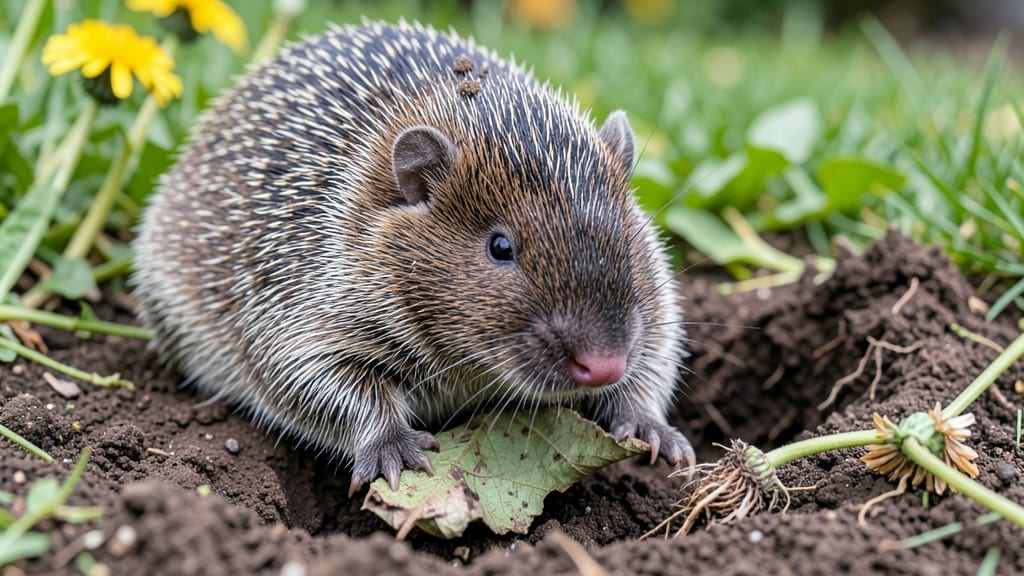
Moles are like nature's pest controllers—they go after the critters that wreak havoc on your garden. 🔥 Their tunneling isn't just random; it's a strategic hunt for grubs and beetle larvae, which make up over 70% of their diet.
What's fascinating is how their digging actually aerates soil and breaks down organic matter, creating a self-fertilizing effect. The catch? Their appetite for earthworms can reduce your garden's natural nutrient cycling over time, especially if mole activity isn't managed.
What most gardeners don't realize is that moles rarely eat plants—they're insect specialists. Their tunnels might damage roots, but the real threat comes from the pests they're eating.
For example, Japanese beetle grubs (a mole favorite) can devastate lawns, so their presence might actually benefit your garden in the long run. The key is balancing their pest-control benefits with potential soil disruption.
💡 In This Article
- Mole Diet Breakdown: Insects vs Plant Matter
- How to Manage Mole Activity in Your Garden
Mole diet breakdown: insects vs plant matter
Moles are specialized insectivores, meaning their diet is 90-95% animal matter, with insects dominating their menu. Their tunnel networks aren't just for shelter—they're hunting grounds. The star of their diet is grubs, particularly those of Japanese beetles and June beetles, which can reach 1-2 inches in length.
These larvae are rich in protein and fat, providing the energy moles need for their high-metabolism lifestyle. A single mole can consume 70-100 grubs per day, making them highly efficient pest controllers for gardeners battling lawn grubs.
The key reason moles target grubs over other insects lies in their high moisture content and soft texture, which makes them easy to locate and consume underground. Their tunneling behavior is finely tuned to detect vibrations from moving grubs—almost like a built-in seismic sensor.
Earthworms, another staple, are hunted for their protein but also because moles use them as a nutritional supplement during breeding seasons when energy demands spike. Interestingly, moles rarely eat adult beetles or flies—they prefer the larval stage, which is more nutrient-dense and easier to locate in the soil.
While moles do occasionally nibble on plant roots (about 5-10% of their diet), this is more about accidental encounters while tunneling than active foraging. Their teeth are designed for crushing insect exoskeletons, not gnawing through roots.
The real ecological benefit comes from their insect consumption: they can reduce grub populations by up to 80% in heavily infested areas, preventing lawn damage from beetle larvae. This makes them valuable allies for gardeners—if their tunneling doesn't become too disruptive.
Here's what their diet reveals about their role in ecosystems:
- Soil aeration: Their tunnels improve water drainage and oxygen flow to plant roots
- Nutrient cycling: By consuming grubs and earthworms, they redistribute organic matter through their waste
- Pest control: Their hunting reduces populations of destructive larvae like Japanese beetle grubs
What most people overlook is how seasonal availability affects mole diets. In spring and summer, when grubs are abundant, moles thrive and reproduce rapidly. But in winter, when insect activity drops, they may turn to more plant matter or even hibernate in deeper tunnels.
This seasonal shift explains why mole damage often spikes during growing seasons when grubs are most active.
The science behind their insect preference is fascinating: moles have enlarged claws and powerful forelimbs adapted for digging, while their snouts contain eimer's organs—specialized sensory cells that detect earthworm movements in soil.
This biological specialization explains why they're so efficient at finding grubs while rarely encountering plant material during their hunts. 🔥
For gardeners, understanding this diet means you can attract moles naturally by creating grub-rich environments (like compost piles) or deter them by removing their food sources.
The key is working with their natural behaviors rather than fighting them—because in many cases, moles are doing more good than harm in your garden ecosystem. ✨